






What are essential businesses?
What are essential businesses?
This list may evolve over time.
Sectors Entities providing essential services (including their supply chains)
Accommodation
Accommodation services for essential workers and people who need to be isolated/quarantined
Border
Customs New Zealand, Immigration New Zealand and the Ministry for Primary Industries.
Building and construction
Building and construction related to essential services, critical infrastructure, or immediately needed to maintain human health and safety at home/work
Courts, tribunals and the justice system
Courts of New Zealand and tribunals
Critical Crown entities (eg Electoral Commission)
Fast-moving consumer goods
Businesses involved in the supply, delivery, distribution and sale of food, beverage and other key consumer goods (but not takeaway shops)
Financial services
Banks, insurers and other financial institutions
Health
Hospitals, primary care clinics, pharmacies, medical laboratories, care facilities
Ambulance services
Mortuary services
Local and national government
Any entity involved in COVID-19 response or that has civil defence/emergency management functions
Key public services
Primary industries, including food and beverage production and processing
Packaging, production and processing of food and beverage products
Food safety and verification, inspection or associated laboratory services, food safety and biosecurity functions
Veterinary and animal health/welfare services
Public safety and national security
Emergency services
Security and intelligence services
Justice system
Public safety and national security roles
Science
Any entity (including research organisations) involved in COVID-19 response, hazard monitoring, resilience, diagnostics for essential services
Social services
Welfare and social services, including NGOs, which meet immediate needs (further guidance will be provided)
Transport and logistics
Transport services
New Zealand Post and courier services
Any small passenger service vehicle driver – including taxis and ride-share services
Utilities and communications, including supply chains
Electricity, gas, water, waste, fuel, telecommunication services, internet providers and media.
These businesses will continue working, but will put in place alternative ways of working to keep employees safe, including shift-based working, staggered meal breaks, flexible leave arrangements and physical distancing.

Poll: 🤖 What skills do you think give a CV the ultimate edge in a robot-filled workplace?
The Reserve Bank has shared some pretty blunt advice: there’s no such thing as a “safe” job anymore 🛟😑
Robots are stepping into repetitive roles in factories, plants and warehouses. AI is taking care of the admin tasks that once filled many mid-level office jobs.
We want to know: As the world evolves, what skills do you think give a CV the ultimate edge in a robot-filled workplace?
Want to read more? The Press has you covered!

-
53.9% Human-centred experience and communication
-
14.4% Critical thinking
-
29.1% Resilience and adaptability
-
2.6% Other - I will share below!

Have you got New Zealand's best shed? Show us and win!
Once again, Resene and NZ Gardener are on the hunt for New Zealand’s best shed! Send in the photos and the stories behind your man caves, she sheds, clever upcycled spaces, potty potting sheds and colourful chicken coops. The Resene Shed of the Year 2026 winner receives $1000 Resene ColorShop voucher, a $908 large Vegepod Starter Pack and a one-year subscription to NZ Gardener. To enter, tell us in writing (no more than 500 words) why your garden shed is New Zealand’s best, and send up to five high-quality photos by email to mailbox@nzgardener.co.nz. Entries close February 23, 2026.


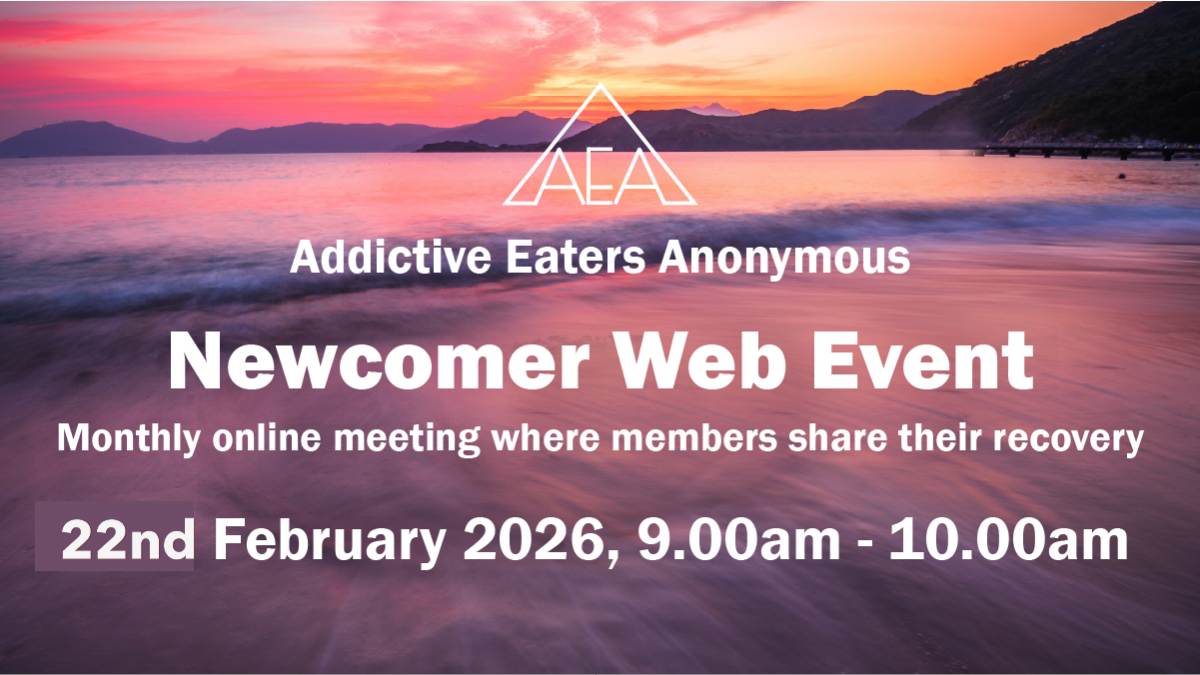
Addictive Eaters Anonymous
Monthly AEA Web Events
The AEA Web Event is a monthly online meeting where AEA members from all over the world come together to share their experience, strength and hope. Three members speak for 10 minutes each, followed by member sharing.
ALL NEWCOMERS WELCOME.
 Loading…