





Update from Civil Defence, Monday 24/7 9 am
Heathcote River
Heathcote River water levels are continuing to drop and the upper storage basins are slowly emptying. This is forecast to continue over the coming days. However tides still continue to impact and another high water level is predicted late this afternoon. This may cause isolated flooding in some areas and on roads previously affected.
The lower Heathcote will be the most affected by the rise in tidal water levels. This is expected to be lower than Saturday’s high tide water levels but higher than this morning’s.
We are continuing to closely monitor Heathcote River water levels and rainfall forecasts.
Southshore
Contractors are in Southshore monitoring tide levels, but at this stage they have not needed to operate pumps. Pumps will remain in place to remove any water from the street if required.
We are finalising work on the emergency bunds today, however tidy up work will be ongoing. Tidal waters are not expected to overtop the bunds with the current forecast peak water levels.
Road closures
In Christchurch Dyers Pass Road from Sign of the Takahe to Governors Bay is now open. The following roads in Banks Peninsula have also re-opened: Bossu Road, Usshers Road.
A number of road closures are still in place.
Please check Newsline for the latest road closures:
Water and wastewater
Christchurch and Banks Peninsula (with the exception of Duvauchelle) residents no longer need to limit water use that produces wastewater like flushing, washing and showering. This includes residents living south of the CBD and those in Southshore. However residents living in Duvauchelle on Banks Peninsula should continue to take measures to conserve water.
Please continue to treat all flood water as contaminated - so wash your hands thoroughly after you've been in contact with flood waters and mud/silt. Regular household bleaches can be used to clean surfaces.
Returning to properties
Civil Defence Rapid Response teams are continuing to carry out visual assessments of flood affected areas.
If your property has been affected by flood water, in the first instance please contact your private insurance company or your landlord to let them know.
Do not move back into a damp house, particularly if you have young children/babies.
If you evacuated your property, it's important that you check all your essential services are working properly. Ensure facilities are safe (Gas/Electricity/Oil). If any doubt, don’t switch on and contact a qualified tradesperson.
If you suspect a gas leak, call 111.
The Christchurch Civil Defence Team encourage people affected by flooding to contact the Council’s Customer Contact Centre on 0800 800 169 or (03) 941 8999 so we can register your details and keep you updated.

Scam Alert: Bank cold calls
ASB is warning customers about reports of cold calls from scammers claiming to be from ASB. These scammers are trying to obtain personal information, including usernames, dates of birth, and verification codes sent to your mobile phone.
🛡️ The "Caller Check" Test
If you get a call from someone claiming to be from ASB and you’re unsure, just ask them for a Caller Check. You will then be able to verify the call through the app.
Remember, banks will:
❌ Never ask for your banking passwords, PINs, or verification codes
❌ Never need to know your full credit card number – especially the CVC
❌ Never ask you to download software or remotely access your device
❌ Never ask you to purchase gift cards or transfer funds.
If you have received a phone call and think your account has been compromised, call ASB on 0800 ASB FRAUD (0800 272 372), or visit your local branch.
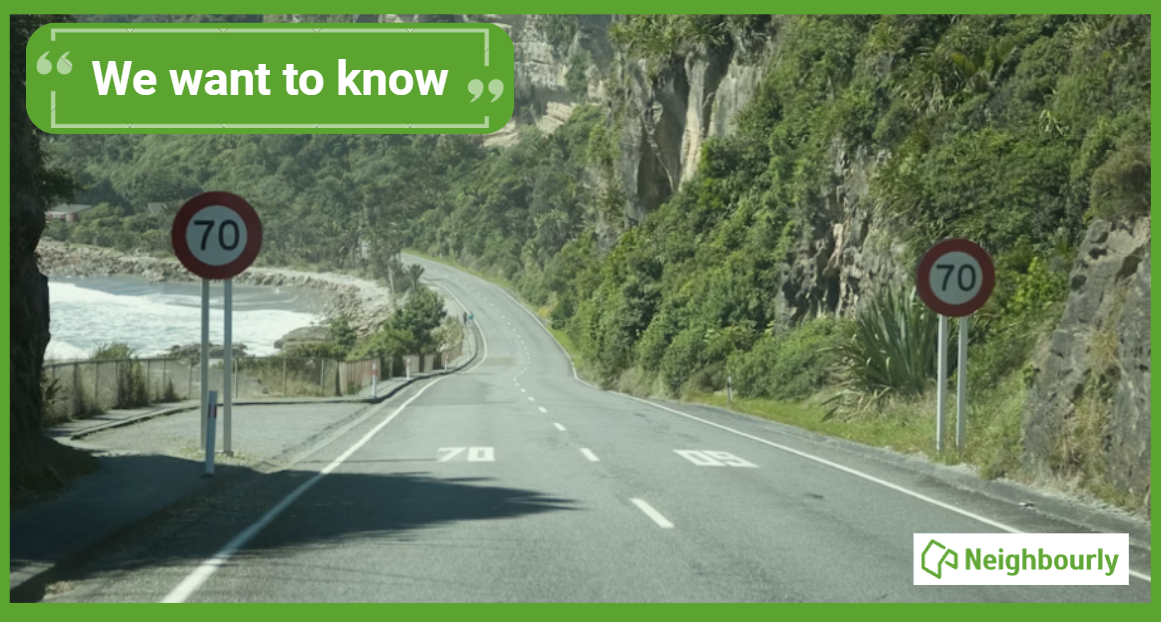
Poll: If we want to reduce speeding, what do you think actually changes driver behaviour? 🛻🚨🚓
In the Post's article on speeding penalties, the question is asked whether speeding fines are truly about road safety, or are they just a way to boost revenue for the Crown?
What do you think? Should speeding motorists receive speeding fines or demerit points?
-
36.5% The sting of a fine (Money talks!)
-
63.5% The threat of demerit points (Nobody wants to lose their license!)

Some Choice News!
DOC is rolling out a new tool to help figure out what to tackle first when it comes to protecting our threatened species and the things putting them at risk.
Why does this matter? As Nikki Macdonald from The Post points out, we’re a country with around 4,400 threatened species. With limited time and funding, conservation has always meant making tough calls about what gets attention first.
For the first time, DOC has put real numbers around what it would take to do everything needed to properly safeguard our unique natural environment. The new BioInvest tool shows the scale of the challenge: 310,177 actions across 28,007 sites.
Now that we can see the full picture, it brings the big question into focus: how much do we, as Kiwis, truly value protecting nature — and what are we prepared to invest to make it happen?
We hope this brings a smile!

 Loading…