






SCAMS - General Tips
Scams
There seems to be a scam for every demographic - people with money to invest, shopaholics buying online, online banking customers and new migrants from countries where corruption is rife.
The people who operate scams use increasingly sophisticated ways to defraud you from your money, and are getting better at posing as legitimate organisations when they contact you. This includes developing fake websites and organisation letterheads that look like the real thing.
They rely on common human vulnerabilities, such as:
a belief in the legitimacy of companies and websites
a willingness to trust others
a wish for greater wealth
feeling obliged to follow through with something that was agreed to
not wanting to miss out on products or services that might only be available for a short time.
Your best defence is to educate yourself in the way that fraudsters work. You can find out about the wide range of scams on Consumer Protection’s ScamWatch website.
Some recent scams to be aware of include:
calls targeting migrant communities, claiming to be from Immigration New Zealand. They demand payment (sometimes in the form of iTunes vouchers) on threat of deportation or arrest;
emails claiming to be from a courier company, telling you that you missed a delivery and asking you to provide personal information so that you can retrieve the item.
There's a lot you can do to protect yourself. Below are a few tips:
Government agencies will never call, email or text demanding payment or threatening deportation. Banks will never call or email you to ask for your PIN or Internet banking password.
Salespeople and charity donations collectors will always wear clothing or accessories that identify them as such.
Microsoft is unlikely to call you to offer IT support services over the phone. Your internet provider is not likely to try to fix your internet problem by remotely controlling your computer. If you get an unexpected call with an offer to fix “problems” with your computer over the phone, just hang up.
If a bargain sounds too good to believe, it may be a stolen item – it may not even exist.
Before doing business with an unfamiliar company, do some research on them so you can be sure they are reputable.
Be careful about who you give your personal details to, as someone could use this information to steal your identity.
Check your banking and credit card statements regularly and look out for unexpected or unusual account transactions.
Be suspicious if the person you met online starts talking about their problems and suggesting that only you can help them.
If you didn’t buy a lottery ticket then it’s not possible for you to have won the lottery.
Don’t let anyone pressure you into making a decision quickly, whether it’s about investing, purchasing or donating.
If you receive a suspicious email, letter, fax or phone call, you can check whether it is a known scam. Reported scams are recorded on a number of websites:
The Department of Internal Affairs’ list of reported scams;
On the website of the business or organisation which the scammer wants you to believe they are representing (e.g. Inland Revenue, Immigration New Zealand);
You can also try doing an Internet search on the name of the organisation supposedly contacting you, followed by the word “scam”.
If you suspect it’s a scam but it isn’t listed as a reported scam, you can easily report it (on NetSafe's website, The Orb) so that others don't fall victim to it.
If you believe you have become a victim of a scam, report it to the Police. If you gave out your personal banking details you’ll also need to tell your bank.
www.cab.org.nz...

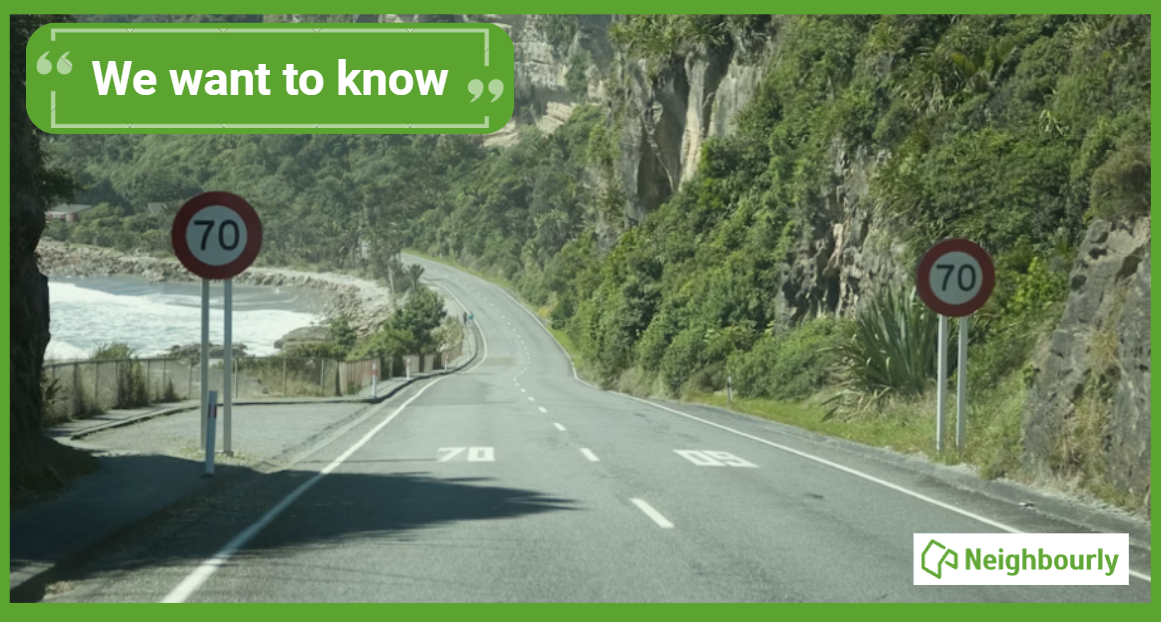
Poll: If we want to reduce speeding, what do you think actually changes driver behaviour? 🛻🚨🚓
In the Post's article on speeding penalties, the question is asked whether speeding fines are truly about road safety, or are they just a way to boost revenue for the Crown?
What do you think? Should speeding motorists receive speeding fines or demerit points?
-
35.5% The sting of a fine (Money talks!)
-
64.5% The threat of demerit points (Nobody wants to lose their license!)

Some Choice News!
DOC is rolling out a new tool to help figure out what to tackle first when it comes to protecting our threatened species and the things putting them at risk.
Why does this matter? As Nikki Macdonald from The Post points out, we’re a country with around 4,400 threatened species. With limited time and funding, conservation has always meant making tough calls about what gets attention first.
For the first time, DOC has put real numbers around what it would take to do everything needed to properly safeguard our unique natural environment. The new BioInvest tool shows the scale of the challenge: 310,177 actions across 28,007 sites.
Now that we can see the full picture, it brings the big question into focus: how much do we, as Kiwis, truly value protecting nature — and what are we prepared to invest to make it happen?
We hope this brings a smile!


Addictive Eaters Anonymous
How much does it cost to join AEA?
There are no dues or fees for joining AEA or attending AEA meetings. We are self-supporting through our own voluntary contributions. At some point during each meeting we pass the basket to help cover expenses, such as the cost of rent and literature. Members are not obliged to contribute, but we usually do so to the extent we are able.
 Loading…