




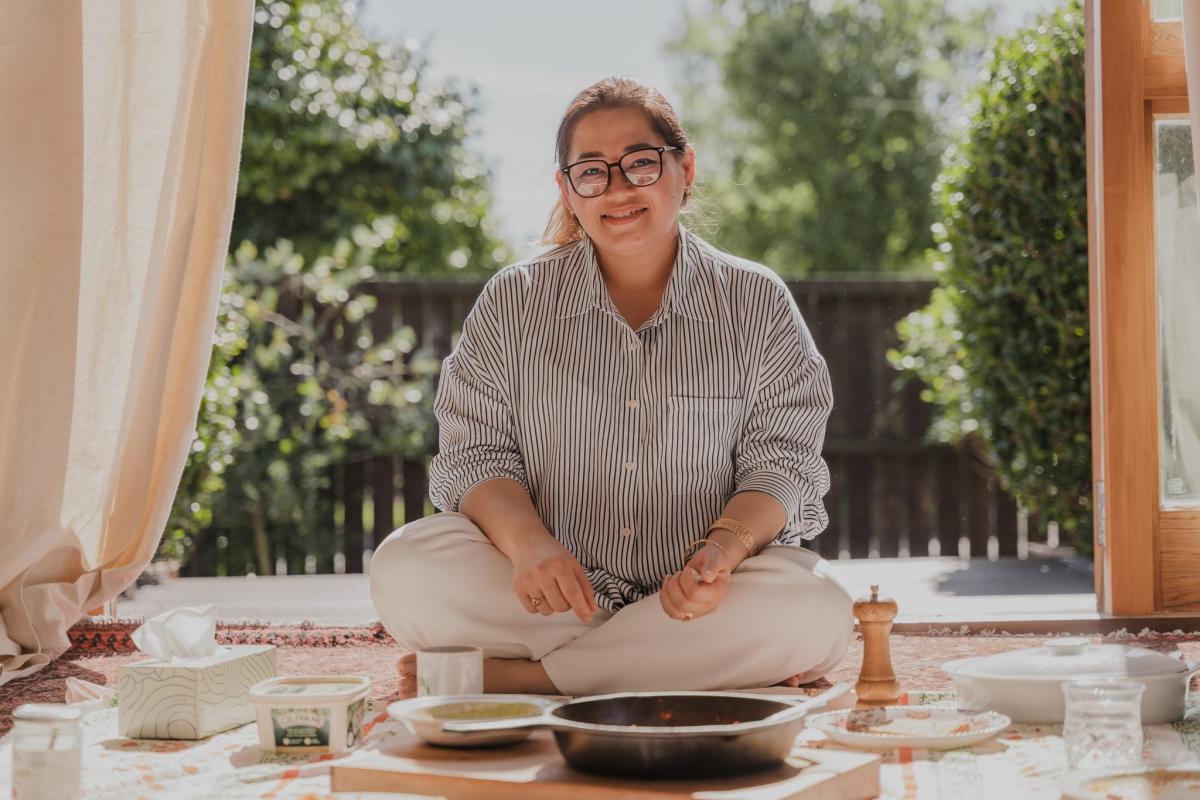
Jamila
“I was born in Afghanistan, I moved to Pakistan when I was a one year old as a refugee with my family.
I grew up in Pakistan and finished my school there. I learned English, I did computer classes, learned sewing and also I did makeup classes. I moved back to Afghanistan to continue my studies, I did my bachelor in business and I got married.
Because of the situation, we couldn't stay there anymore, so we moved to Indonesia. The first year was very difficult for me. As refugees in Indonesia, you're not allowed to work, no study, nothing. Most of the people don't understand English, so you have to learn their language.
I was trying to find a way that I could learn the language easily. I started watching dramas on YouTube. So then I learned Bahasa from that and a friend, and she learned English from me. Then I was speaking five languages. After a while, I was working as an interpreter and for a short time, I found a job at an international school as a teacher.
We were on the shortlist to go to America. You know, sometimes God wants to put you somewhere. We got a call from the sponsor group that wanted to help us come to New Zealand. How is it possible? We waited there for six years through UNHCR. I can say we were lucky. I have been here for one year, and with the sponsor group, we are like a family now.
I first went to Share Kai for the Ōtautahi Welcome Dinner. I said, ‘this is my place’. when I am among the people and talking with people it gives me energy. When we went there, we met different people. Now I have lots of friends from different countries.
When we heard that there's an opportunity for the Riccarton Sunday Market, I said, I will do it!
My food stall is called ZJ kitchen. Z is for my husband, and J is for Jamila, for me. The story for the ZJ is that we are a ZJ family. When we got married, we decided that when we have kids, we'll put the name starting with Z or J. So now I have two sons, their names start with Z, and I have one daughter who starts with J.
I believe that food is something that everyone needs every day. What I do means a lot to me. When I'm at the market, if someone eats the food they ask, do you have a restaurant? I tell them about Share Kai.
I am one of the leaders at the Cooks Collective, we run the Share Kai Cafe which is open for lunch on the first Friday of every month at WEA. We talk, we laugh and we enjoy the food. I hope one day everyone knows about Share Kai.”
- Jamila

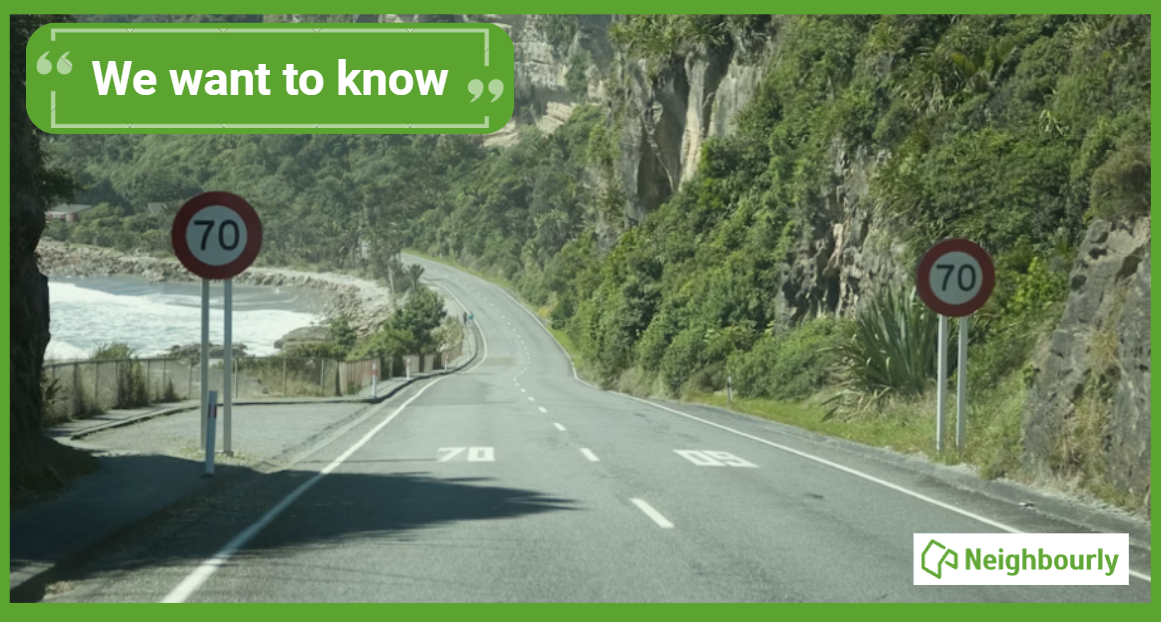
Poll: If we want to reduce speeding, what do you think actually changes driver behaviour? 🛻🚨🚓
In the Post's article on speeding penalties, the question is asked whether speeding fines are truly about road safety, or are they just a way to boost revenue for the Crown?
What do you think? Should speeding motorists receive speeding fines or demerit points?
-
36.3% The sting of a fine (Money talks!)
-
63.7% The threat of demerit points (Nobody wants to lose their license!)
Scam Alert: Bank cold calls
ASB is warning customers about reports of cold calls from scammers claiming to be from ASB. These scammers are trying to obtain personal information, including usernames, dates of birth, and verification codes sent to your mobile phone.
🛡️ The "Caller Check" Test
If you get a call from someone claiming to be from ASB and you’re unsure, just ask them for a Caller Check. You will then be able to verify the call through the app.
Remember, banks will:
❌ Never ask for your banking passwords, PINs, or verification codes
❌ Never need to know your full credit card number – especially the CVC
❌ Never ask you to download software or remotely access your device
❌ Never ask you to purchase gift cards or transfer funds.
If you have received a phone call and think your account has been compromised, call ASB on 0800 ASB FRAUD (0800 272 372), or visit your local branch.


Some Choice News!
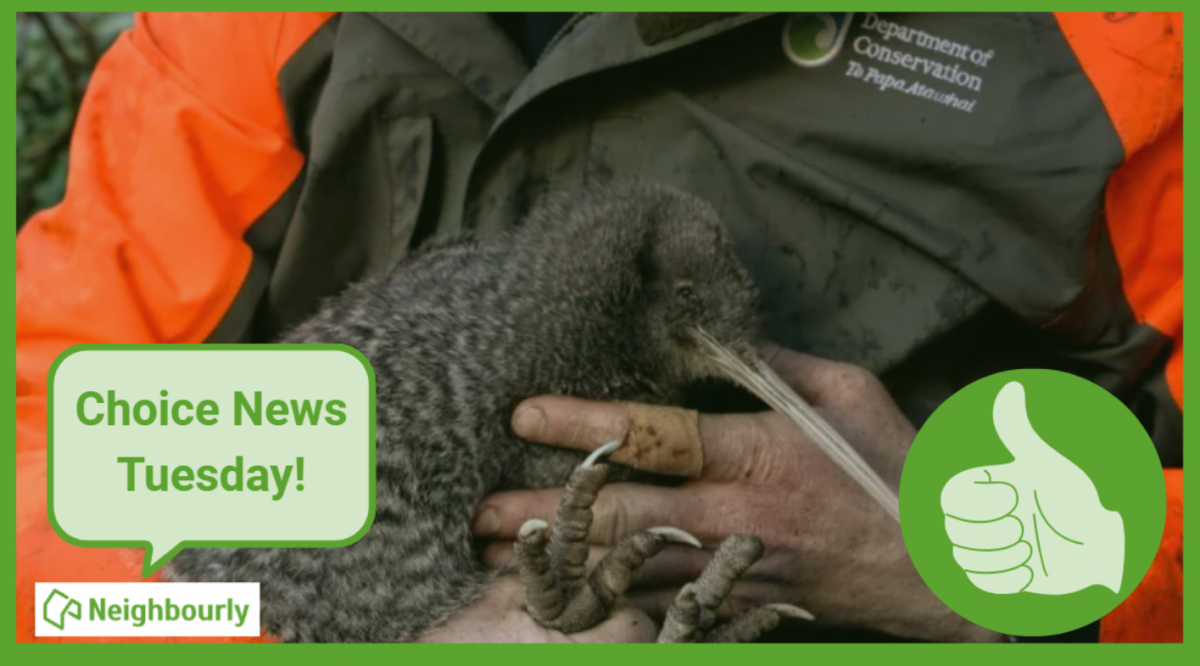
DOC is rolling out a new tool to help figure out what to tackle first when it comes to protecting our threatened species and the things putting them at risk.
Why does this matter? As Nikki Macdonald from The Post points out, we’re a country with around 4,400 threatened species. With limited time and funding, conservation has always meant making tough calls about what gets attention first.
For the first time, DOC has put real numbers around what it would take to do everything needed to properly safeguard our unique natural environment. The new BioInvest tool shows the scale of the challenge: 310,177 actions across 28,007 sites.
Now that we can see the full picture, it brings the big question into focus: how much do we, as Kiwis, truly value protecting nature — and what are we prepared to invest to make it happen?
We hope this brings a smile!
 Loading…