




Election 2023: Is Christchurch Central safe for Labour or will it swing? (Christchurch Central electorate profile)
In the lead-up to the 2023 general election, The Press is profiling Canterbury’s electoral races. Here’s what you need to know about the candidates running to be Christchurch Central’s MP. (By reporter Sinead Gill)
Christchurch Central was once a safe Labour seat. But after devastating earthquakes, two terms of National, then two more of Labour, the results of the 2023 general election could reveal how stable the electorate is now.
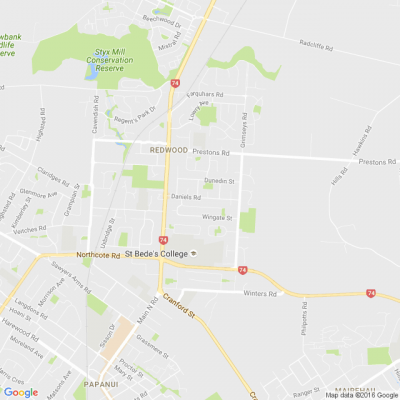
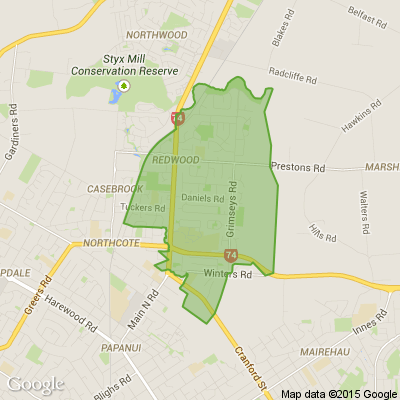
The electorate — redrawn in 2014 due to the post-quake population shift — is an odd shape. It begins at the north end of the city along the Styx River Esplanade Reserve, flowing down Redwood, Mairehau and St Albans before meeting the CBD.
It jerks east to poach Phillipstown, swallows Sydenham, then forms leg-like shapes to take Beckenham and Ōpāwa, skipping over St Martins.
The electorate is young, with some of the highest proportions of 20 to 34-year-olds in the country (according to 2018 census data) but some of the lowest numbers of under 19s.
Its residents are both 2.6% more likely to have a bachelor degree and 1.9% more likely to have no qualifications compared to the rest of the country.
Overall they’re 3% more likely to be employed, with construction, healthcare and professional, scientific and technical services industries being the most common, as of the 2018 census. Those workers are also more likely to cycle to work than anywhere else in the country.
According to Electoral Commission data, the number of enrolled voters in the electorate has risen by 1060 since the 2020 election, for a total of 49,561 as of September 2023. However, the commission estimates about 12% of eligible voters have not yet enrolled.
Compared to other electorates, Christchurch’s ethnic make-up doesn’t stand out, but as of the 2018 census had 5.9% more people of European descent, and 6.8% fewer Māori, when compared to the New Zealand average.
Perhaps unsurprisingly, post-earthquakes, central residents were among the least likely in New Zealand to have lived in the same home for over five years. Nearly a third of residents lived alone, with only Auckland Central having more single-person households.
While it didn’t rank the worst for home ownership in the country, 59.2% of residents don’t own their own home, compared to the national average of 48.2% who don’t.
Christchurch Central was considered a safe Labour seat until 2011, when National Party’s Nicky Wagner won it by 47 votes. She won again in 2014, but in 2017 lost to Labour MP Duncan Webb by almost 3000 votes.
Webb, a former commercial lawyer, academic and post-quake insurance advocate, kept his seat in 2020, beating National candidate Dale Stephens by 14,000 votes.
Webb is currently the minister for state-owned enterprises and minister of commerce and consumer affairs and is ranked 20 on Labour’s party list.
Stephens, of Te Rarawa descent, has returned as National’s candidate this year. He is a former police officer and business leader, and is currently New Zealand Trade and Enterprise’s director of Māori Partnership.
At 29th on the list, he is National’s highest ranked candidate for a Christchurch electorate and may enter Parliament regardless of whether he secures Christchurch Central.
The Greens candidate is first timer Kahurangi Carter (Ngāti Maniapoto, Tainui), who currently works for the Ministry for the Environment and has a background in zero-waste advocacy.
Although a Greens candidate has only placed third in the electorate in the last two elections (winning 6.5% in 2020), with a list ranking of 14, Carter could land a spot in Parliament on the party’s list based on average polling results.
The remaining candidates are Matthew Fisken (ACT party), Mark Arneil (NZ First), Michael Britnell (Aotearoa Legalise Cannabis Party) and Sarah Jackson (Animal Justice Party).


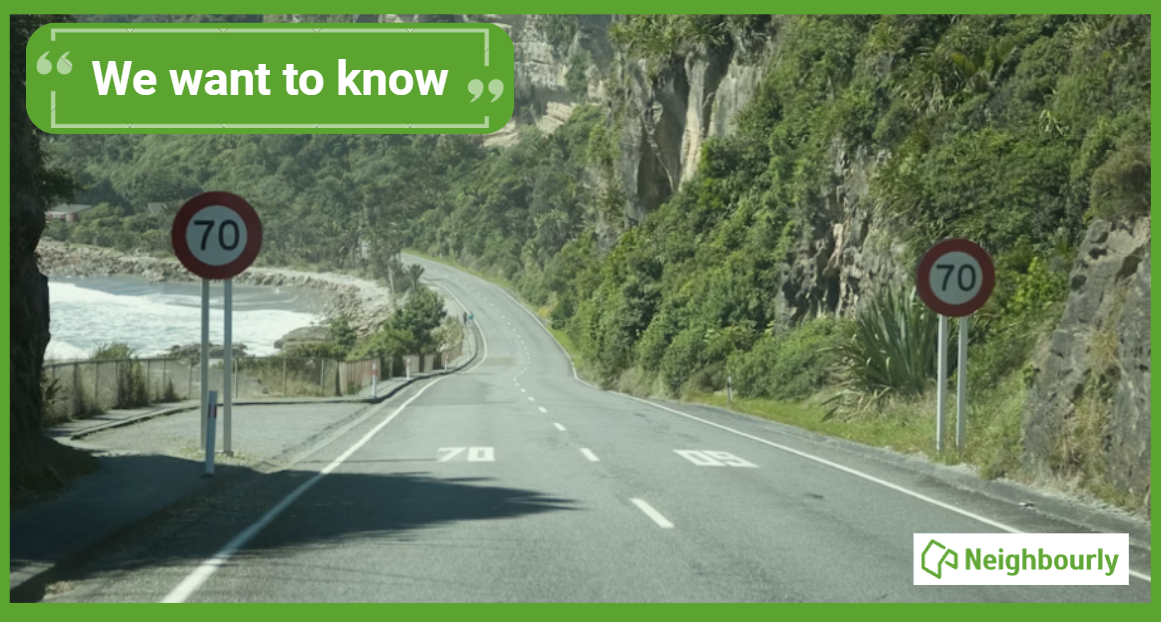
Poll: If we want to reduce speeding, what do you think actually changes driver behaviour? 🛻🚨🚓
In the Post's article on speeding penalties, the question is asked whether speeding fines are truly about road safety, or are they just a way to boost revenue for the Crown?
What do you think? Should speeding motorists receive speeding fines or demerit points?
-
37.3% The sting of a fine (Money talks!)
-
62.7% The threat of demerit points (Nobody wants to lose their license!)
Scam Alert: Bank cold calls
ASB is warning customers about reports of cold calls from scammers claiming to be from ASB. These scammers are trying to obtain personal information, including usernames, dates of birth, and verification codes sent to your mobile phone.
🛡️ The "Caller Check" Test
If you get a call from someone claiming to be from ASB and you’re unsure, just ask them for a Caller Check. You will then be able to verify the call through the app.
Remember, banks will:
❌ Never ask for your banking passwords, PINs, or verification codes
❌ Never need to know your full credit card number – especially the CVC
❌ Never ask you to download software or remotely access your device
❌ Never ask you to purchase gift cards or transfer funds.
If you have received a phone call and think your account has been compromised, call ASB on 0800 ASB FRAUD (0800 272 372), or visit your local branch.

Some Choice News!
DOC is rolling out a new tool to help figure out what to tackle first when it comes to protecting our threatened species and the things putting them at risk.
Why does this matter? As Nikki Macdonald from The Post points out, we’re a country with around 4,400 threatened species. With limited time and funding, conservation has always meant making tough calls about what gets attention first.
For the first time, DOC has put real numbers around what it would take to do everything needed to properly safeguard our unique natural environment. The new BioInvest tool shows the scale of the challenge: 310,177 actions across 28,007 sites.
Now that we can see the full picture, it brings the big question into focus: how much do we, as Kiwis, truly value protecting nature — and what are we prepared to invest to make it happen?
We hope this brings a smile!

 Loading…