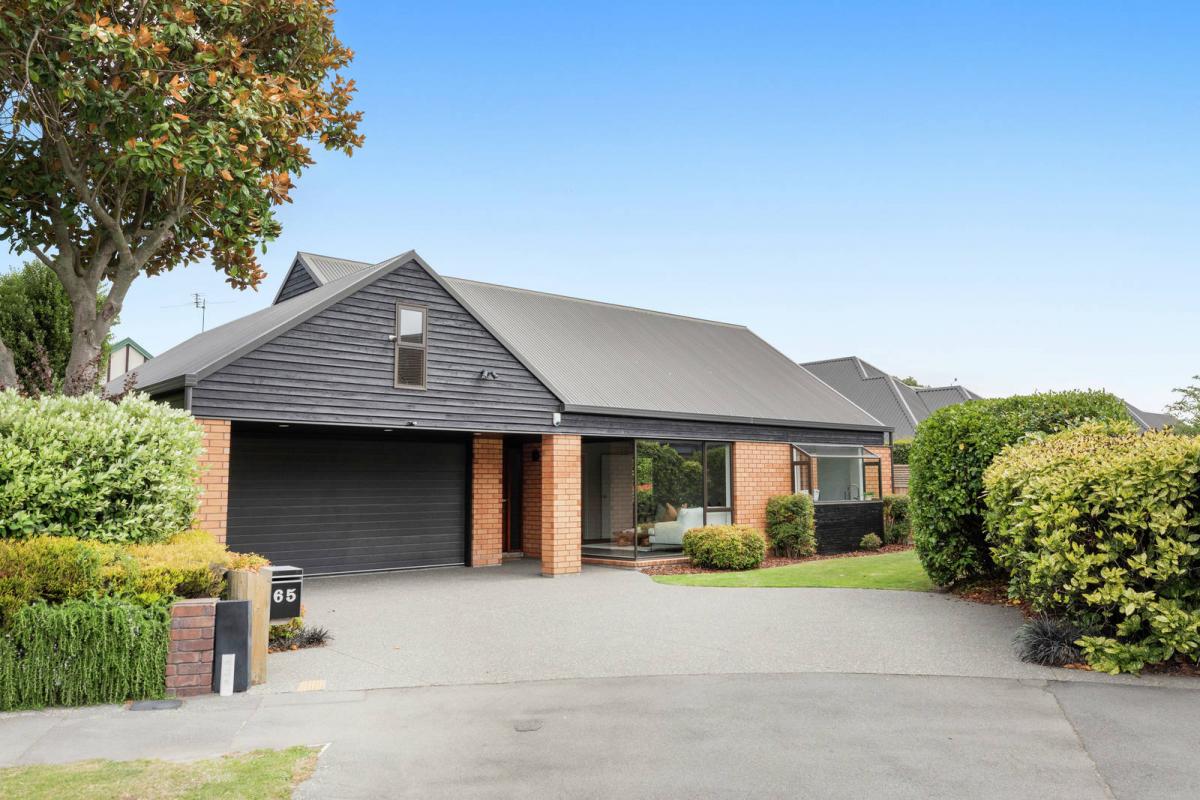






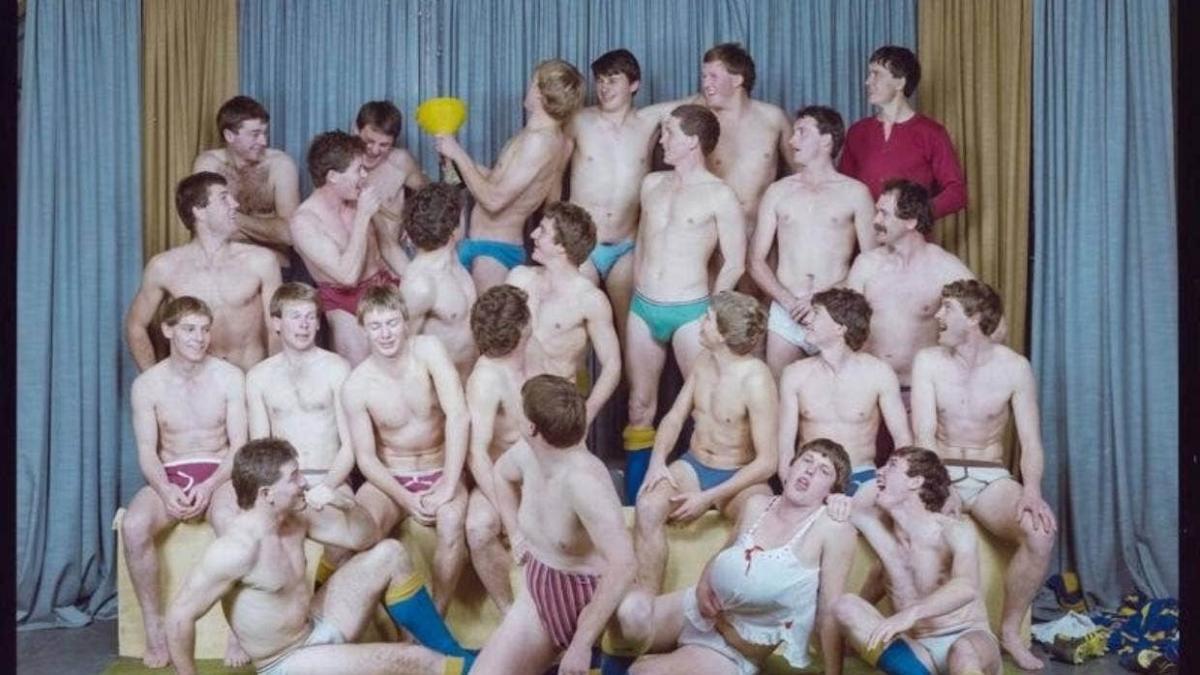
Guess who: Do you recognise someone in Canterbury Museum's latest exhibition?
You may be able to spot yourself, your friends or relatives in new images released by the Canterbury Museum.
New Zealand’s longest running photography studio, Standish and Preece, is showcasing a selection of its 75,000 images held in the museum’s collection that were captured from 1885 to 2020.
The photos, which include weddings, sport games, family portraits, school photos, kapa haka groups, graduation photos and more, represent the changing faces of Canterbury over more than a century at some of the most important events of their lives.
The museum put 32,000 of the collection’s images on its website during last year’s alert level four lockdown, asking the public to help identify many of the people and places photographed.
A further 43,000 images went live last week. Read more here.




🪱🐦 When are you the most productive? 🌙🦉
The Post has been diving into our daily habits, and research suggests being an early bird or a night owl isn’t just a choice—it’s biology! We all have that specific time when our brains finally "click" into gear.
This raises a big question for the modern workplace. To get the best out of everyone, should employers accommodate our natural body clocks? This idea is at the heart of the four-day work week and flexible scheduling movements.
We want to hear from you:
1. When does your brain "click" into gear?
2. Would a flexible (or shortened) schedule change the way you work?


Premature theft
Increasing the cost of fuel in anticipation before any actual justification I regard as blatant premeditated theft.
The CEO's who condone this premature theft for their share holders BEFORE they have any justified reasons will not be so quick and prematurely reduce the price when the situation is reduced.
Nor if the situation is quickly restored will they arrange payback if they have over reacted.
Thank you for your attention to this matter.
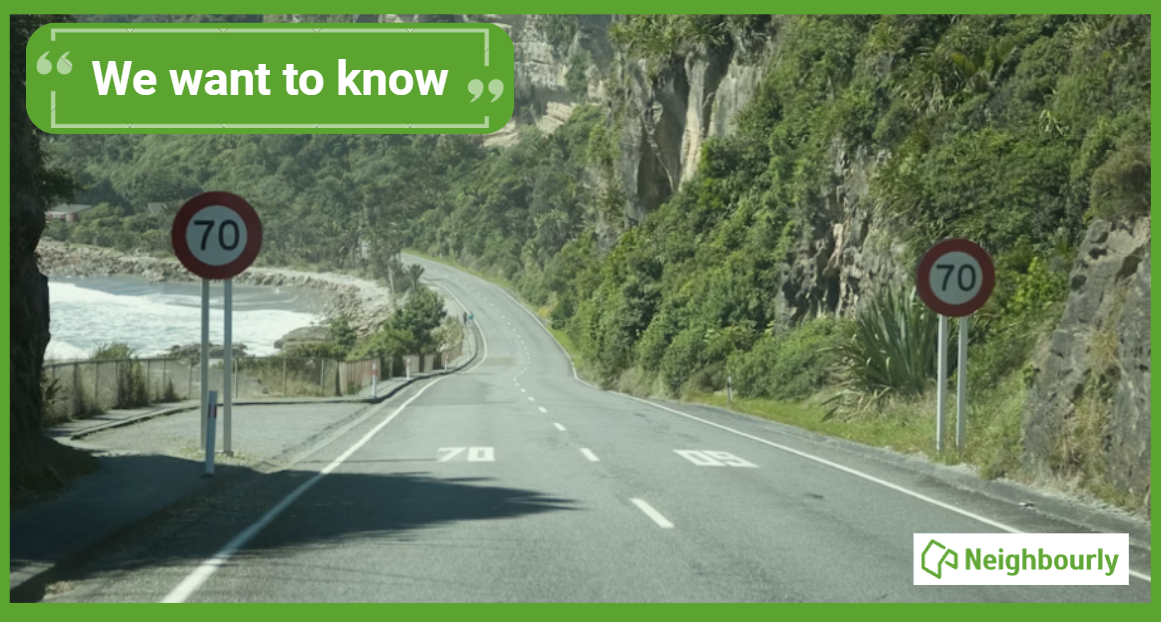
Poll: If we want to reduce speeding, what do you think actually changes driver behaviour? 🛻🚨🚓
In the Post's article on speeding penalties, the question is asked whether speeding fines are truly about road safety, or are they just a way to boost revenue for the Crown?
What do you think? Should speeding motorists receive speeding fines or demerit points?
-
35.8% The sting of a fine (Money talks!)
-
64.2% The threat of demerit points (Nobody wants to lose their license!)
 Loading…