





Addictive Eaters Anonymous
FINDING THE ANSWER
I have lived in New Zealand for the last twelve years, after being born and raised in Somerset, England. My parents ran a playgroup in our house for much of my childhood and I made close friends there, but I still felt isolated and different to everyone else.
I always loved food. We were able to help ourselves from the cupboards at home when I was young, with no restrictions. I believe a normal eater would just eat until they were full, but I could not stop. I put extra food in Mum's shopping basket and would gorge on leftovers at night with my friends. My friend’s dad owned a pub and when the half-eaten plates came back, I would pick chips off them, chatting as I did so, to my friends' astonished faces.
From as far back as I can remember, I felt irritated and impatient with people. I would interrupt and correct the teachers at school and have furious rows with my family, then later tell them I loved them. I lived in a fantasy world. My favourite times at school would be writing stories and acting. My emotions were a rollercoaster, up and down. Food made me feel better, soothing all the anxiety. I never realised how dependent I was on food, until it got much worse.

🪱🐦 When are you the most productive? 🌙🦉
The Post has been diving into our daily habits, and research suggests being an early bird or a night owl isn’t just a choice—it’s biology! We all have that specific time when our brains finally "click" into gear.
This raises a big question for the modern workplace. To get the best out of everyone, should employers accommodate our natural body clocks? This idea is at the heart of the four-day work week and flexible scheduling movements.
We want to hear from you:
1. When does your brain "click" into gear?
2. Would a flexible (or shortened) schedule change the way you work?
Premature theft
Increasing the cost of fuel in anticipation before any actual justification I regard as blatant premeditated theft.
The CEO's who condone this premature theft for their share holders BEFORE they have any justified reasons will not be so quick and prematurely reduce the price when the situation is reduced.
Nor if the situation is quickly restored will they arrange payback if they have over reacted.
Thank you for your attention to this matter.
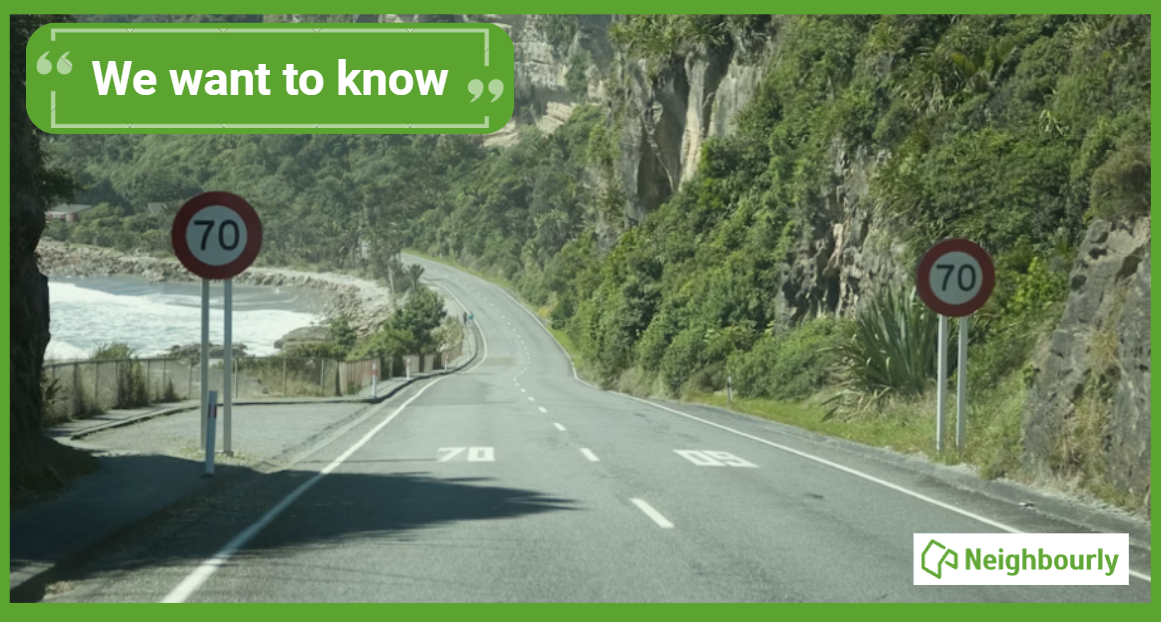
Poll: If we want to reduce speeding, what do you think actually changes driver behaviour? 🛻🚨🚓
In the Post's article on speeding penalties, the question is asked whether speeding fines are truly about road safety, or are they just a way to boost revenue for the Crown?
What do you think? Should speeding motorists receive speeding fines or demerit points?
-
35.8% The sting of a fine (Money talks!)
-
64.2% The threat of demerit points (Nobody wants to lose their license!)
 Loading…