




CLIMATE CHANGE
CHRISTCHURCH RESIDENTS CALL FOR FASTER ACTION ON CLIMATE CHANGE
Christchurch residents have told their council they want action on climate change faster than the government has proposed.
While the government's Zero Carbon Bill sets the target of New Zealand having net zero greenhouse gas emissions by 2050, Christchurch City Council is aiming to reach that goal - excluding methane - by 2045, said council head of strategic policy Emma Davis.
"The feedback we have received from our residents showed they want us to take a more ambitious approach," Ms Davis said.
Last week, the council agreed to a plan that includes an interim target of reducing greenhouse gas emissions by 50 percent by 2030.
A goal of cutting methane emissions by 25 percent by 2030 and by 50 percent by 2045 was set.
"We were among the first councils in New Zealand to declare a climate and ecological emergency and it is important that we back that declaration up by showing our strong commitment to reducing greenhouse gas emissions," Ms Davis said.
In 2016 to 2017, Christchurch emitted about 2.5 million gross tonnes of carbon dioxide equivalent. That equates to 6.6 tonnes per person, which is lower than estimates for Auckland of 7.9 tonnes and for Dunedin of 11 tonnes, but more than Wellington's average of 5.7 tonnes per person.
Transport is the biggest contributor to Christchurch's carbon emissions, making up 53 percent of the total.
Ms Davis said everyone in the community would need to make changes to achieve the 2045 carbon neutral target.
The council hopes to save $1 million a year on electricity and to reduce its carbon emissions after LED street lights are installed throughout the city.
Work to convert all of Christchurch's 38,000 street lights to LED lights is almost halfway through and is expected to be completed by June 2021. This is being funded largely by the New Zealand Transport Agency
Christchurch city councillor Deon Swiggs said once they LED lights were all installed, the city's electricity bill would be slashed and maintenance would drop by about $600,000 a year.
LED lights used less energy and reduced carbon emissions, while making streets safer by lighting them more brightly, Mr Swiggs said.

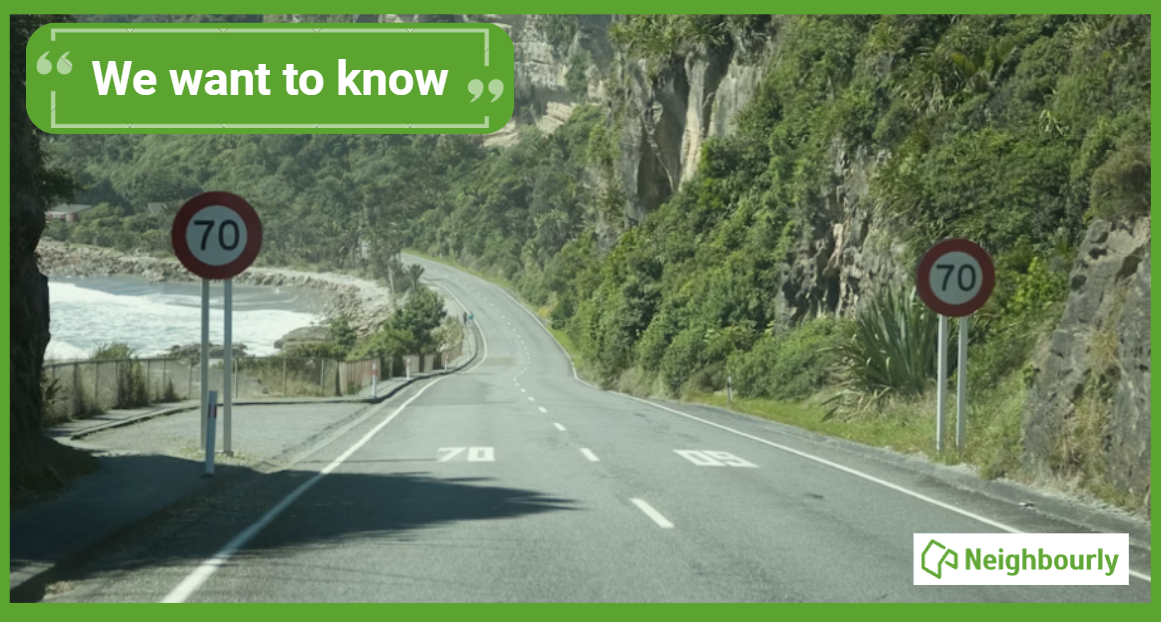
Poll: If we want to reduce speeding, what do you think actually changes driver behaviour? 🛻🚨🚓
In the Post's article on speeding penalties, the question is asked whether speeding fines are truly about road safety, or are they just a way to boost revenue for the Crown?
What do you think? Should speeding motorists receive speeding fines or demerit points?
-
32.5% The sting of a fine (Money talks!)
-
67.5% The threat of demerit points (Nobody wants to lose their license!)

Some Choice News!
DOC is rolling out a new tool to help figure out what to tackle first when it comes to protecting our threatened species and the things putting them at risk.
Why does this matter? As Nikki Macdonald from The Post points out, we’re a country with around 4,400 threatened species. With limited time and funding, conservation has always meant making tough calls about what gets attention first.
For the first time, DOC has put real numbers around what it would take to do everything needed to properly safeguard our unique natural environment. The new BioInvest tool shows the scale of the challenge: 310,177 actions across 28,007 sites.
Now that we can see the full picture, it brings the big question into focus: how much do we, as Kiwis, truly value protecting nature — and what are we prepared to invest to make it happen?
We hope this brings a smile!


Addictive Eaters Anonymous
How much does it cost to join AEA?
There are no dues or fees for joining AEA or attending AEA meetings. We are self-supporting through our own voluntary contributions. At some point during each meeting we pass the basket to help cover expenses, such as the cost of rent and literature. Members are not obliged to contribute, but we usually do so to the extent we are able.

 Loading…