





How Cyber Smart are you?
Things you can do to keep your data safe
Below are a few things you can do to protect your data:
Change your password – yes, we know it’s easier to have one password for everything and keep it for years and years. But this also makes it easier for someone else to guess your password too.
Make your passwords long and strong, avoid basing them on obvious information such as family names or birthdays, and have a unique password for each online account. You could also use a password manager, which means that you only have to remember one (really good) password.
Also, keep your passwords to yourself.
Turn on two-factor authentication (2FA) – 2FA is an extra layer of protection on top of your password (for example you have to enter both a password and a code in order to access your account). With 2FA in place, if an attacker knows your password - they still can’t get into your account.
You can use 2FA for extra security on most of your accounts, from email to social media, online banking and shopping. You can also use it to access your laptops, tablets, smartphones and some game consoles. Everyone does 2FA slightly differently. To set it up, start by looking under your account settings.
Update your operating system – because this is your main line of defence against hackers and scammers. Just keeping it up to date will protect you against most of the latest bugs and viruses. You can set your system preferences to update automatically – how easy is that?
Check your privacy settings – so that you know exactly who can see what you post on social media. Think before you share personal information, as hackers can use this information to access your personal accounts or steal your identity.
The CertNZ website has loads of resources to help you with these.
www.cert.govt.nz...

🌉🛶 Early Birds Might Crack This One First… or Not? 🥚🧠
A person is crossing a bridge and sees a boat full of people, yet there isn't a single person on board.
How is this possible?
(Susan from Massey kindly provided this head-scratcher ... thanks, Susan!)
Do you think you know the answer? Simply 'Like' this post if you know the answer and the big reveal will be posted in the comments at 2pm on the day!
Want to stop seeing these in your newsfeed?
Head here and hover on the Following button on the top right of the page (and it will show Unfollow) and then click it. If it is giving you the option to Follow, then you've successfully unfollowed the Riddles page.

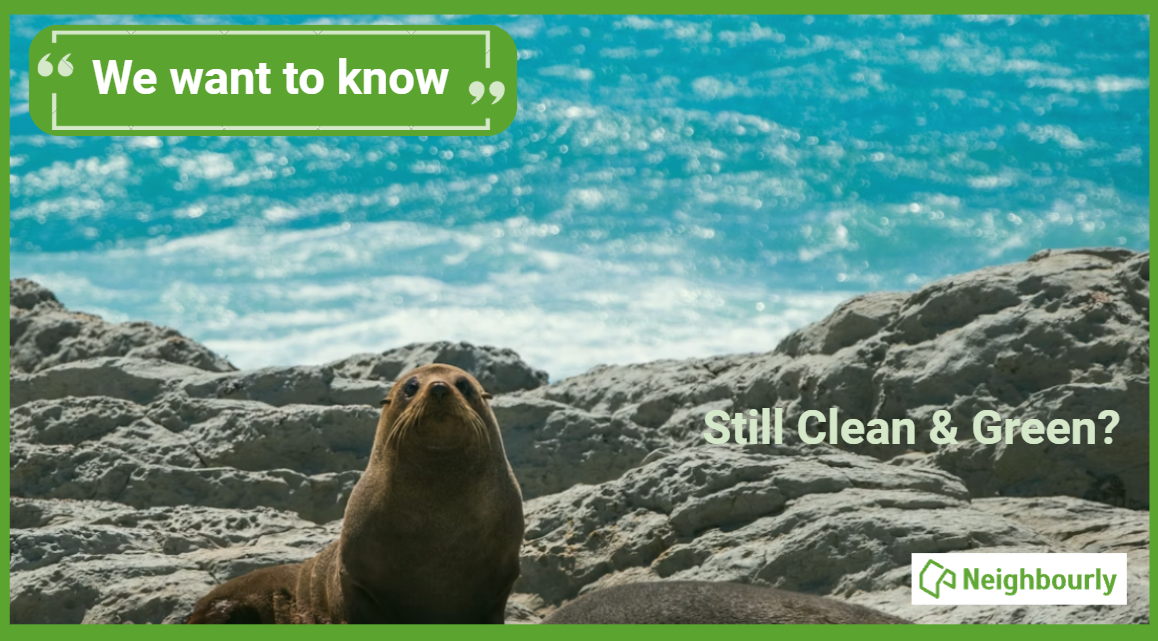
Poll: Have we lost our "Clean & Green" edge? 🌏
The Press just released an article on the proposed plan to pump sewage into the sea, and it’s got us thinking. We’ve always been proud of our environment, but is the "Clean and Green" reputation still earned?
What’s your take? Are we doing enough to look after our backyard? Is it time for a new slogan? 💬
-
58.9% Yes
-
16.1% No
-
25% All is not lost!
🪱🐦 When are you the most productive? 🌙🦉
The Post has been diving into our daily habits, and research suggests being an early bird or a night owl isn’t just a choice—it’s biology! We all have that specific time when our brains finally "click" into gear.
This raises a big question for the modern workplace. To get the best out of everyone, should employers accommodate our natural body clocks? This idea is at the heart of the four-day work week and flexible scheduling movements.
We want to hear from you:
1. When does your brain "click" into gear?
2. Would a flexible (or shortened) schedule change the way you work?
 Loading…