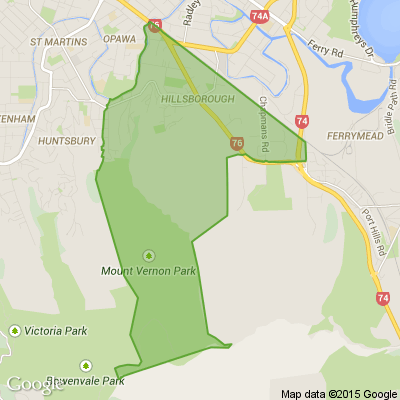





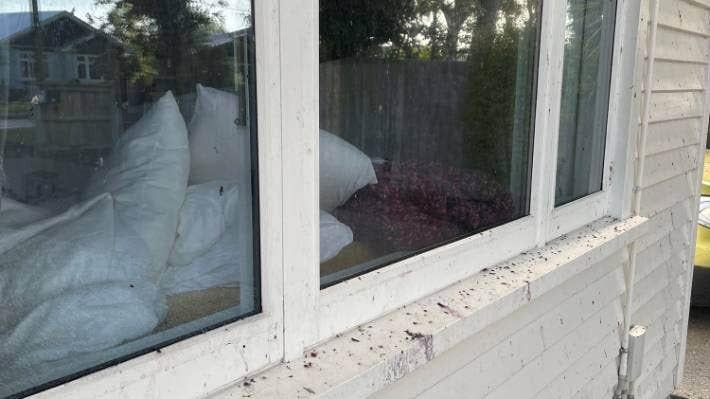
As a Christchurch street is blighted by starlings, how do you get rid of the winged pests?
From reporter Lee Kenny:
---------------------------
For the Christchurch residents living in a street blighted by bird poo starlings are a menace – but how do you deal with the flying pests?
According to New Zealand Birds Online, the common starling was introduced for insect control, but they are now found across Aotearoa and the Subantarctic Islands.
They nest in hollow trees, under house eaves and even in letter boxes. As well as creating a mess, they eat crops and make a noise, which some people find annoying.
There are a range of methods to discourage starlings, from the cheap to the costly.
Westport-based Maintrac Group sells a range of equipment for dealing with pests, like starlings.
These include the high-tech Bird-X, a $795 device that uses red and green laser beams to deter birds.
Deploying bird spikes is among the least expensive options. The stainless steel spikes can be adhered to surfaces, preventing birds from landing and therefore pooping on property below.
“A successful way to deter starlings is to prevent them from landing,” Maintrac Group's website says.
“Starlings need a lot of energy just to fly, so if they are prevented from landing near a food source they soon use up what energy they do have, and have to move off to other areas to feed. If one goes, they all go.”
Shiny holographic tape can also be applied to surfaces to discourage the birds from settling, while an artificial osprey hawk does a similar job.
Another option is a Carousel Gas Gun, which makes a loud bang and scares unwanted birds away.
The noise will be familiar to anyone who has spent time in the countryside, but the intermittent blasts might not be suitable for suburbia.
A less noisy option might be an ultrasonic bird and animal repellent, which emits a high-frequency sound to scare away flying pests.
Despite the thousands of starlings that descend on Dudley St, Richmond, each summer, one pest expert said they are not a common problem in Christchurch.
“The bird-work we do is usually involving pigeons,” Gary Hendrikse, director of Elite Pest Control, said.
“I don't think I've ever had a call to get rid of starlings.
“The only other nuisance birds are ones that nest in people's ceilings, that's often to do with preventing access.”
Other methods for discouraging starlings include removing nests and food sources, and patching up holes to areas that could be used as a nesting site.


Poll: Should we ditch daylight saving? 🕰️
First introduced in New Zealand in 1927 with the passing of the Summer Time Act, it's what we know as 'Daylight Saving' and this year it ends on the first Sunday in April.
While we do get to sleep in this time around, some people would like to scrap the clock tinkering for good.
And why? Some evidence suggests the time changes are bad for our health as they mess with sleep patterns leading to short-term fatigue and affecting mood. Meanwhile the hour change is frustrating for farmers and a nightmare for getting the littlies to sleep. But what's your take?

-
38.4% Yes - get rid of the clock changes
-
59.9% No, I enjoy it
-
1.7% Other - I'll share below

Don't overthink this riddle...
I have a silver sole
but no feet,
I make my living by bringing the heat.
What am I?
Do you think you know the answer? Simply 'Like' this post if you know the answer and the big reveal will be posted in the comments at 2pm on the day!
Want to stop seeing these in your newsfeed?
Head here and hover on the Following button on the top right of the page (and it will show Unfollow) and then click it. If it is giving you the option to Follow, then you've successfully unfollowed the Riddles page.

Poll: How important is the ability to book a doctor’s appointment online?
Hi Neighbours
Here at The Doctors we would love to hear how you prefer to book your doctor’s appointments. With busy schedules, different people find different methods easier.
For some, online booking is very convenient, you can make an appointment anytime without needing to wait on the phone. Others still prefer calling the clinic and speaking to a real person, especially if they have specific questions about their visit.
Your feedback helps us understand what works best for our patients and how we can improve access to care.

-
41.6% I prefer booking online whenever possible
-
22.1% Online booking is helpful but not essential
-
33.1% I prefer calling the clinic
-
3.3% I didn’t know online booking was available
 Loading…