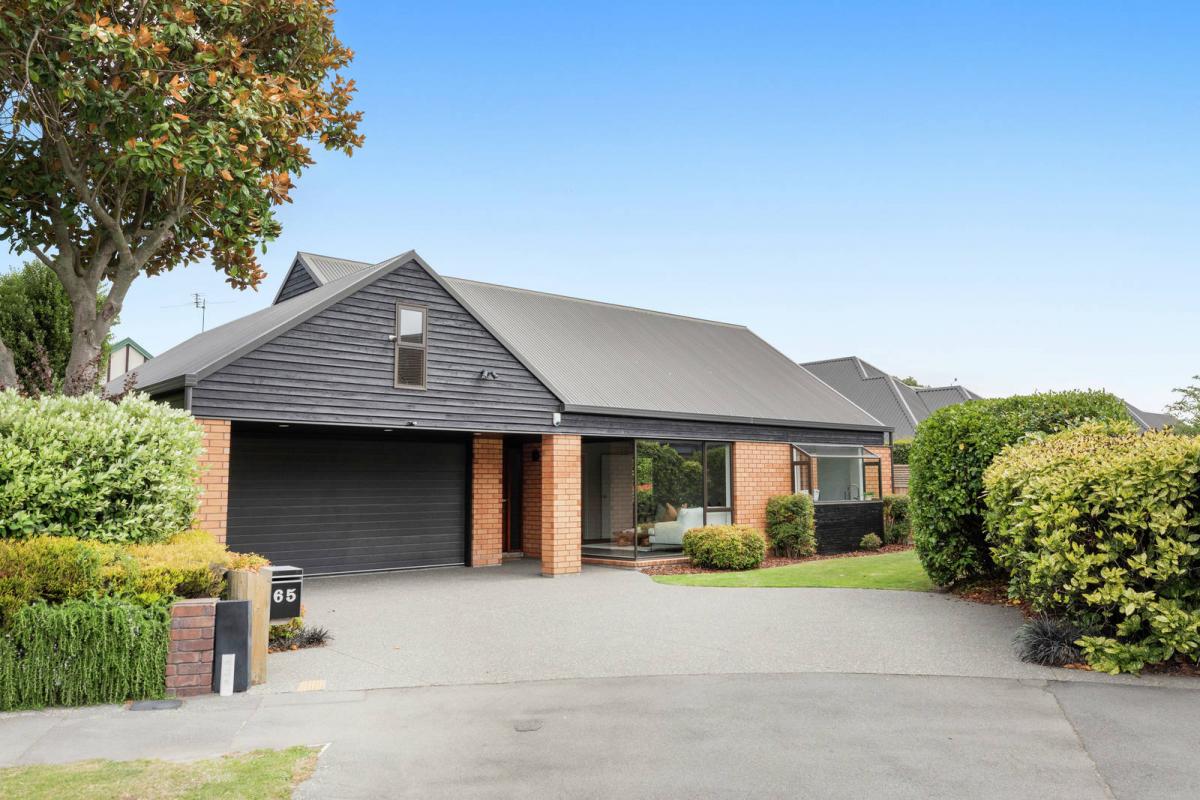
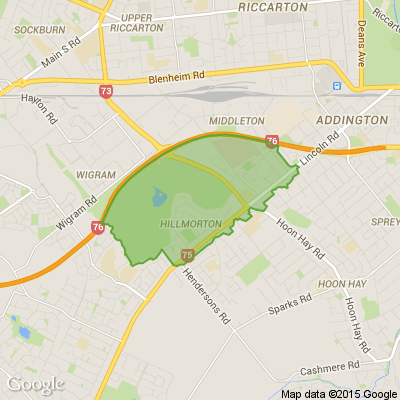





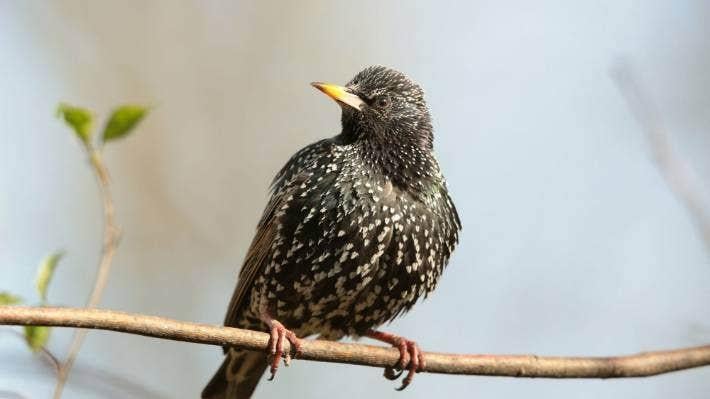
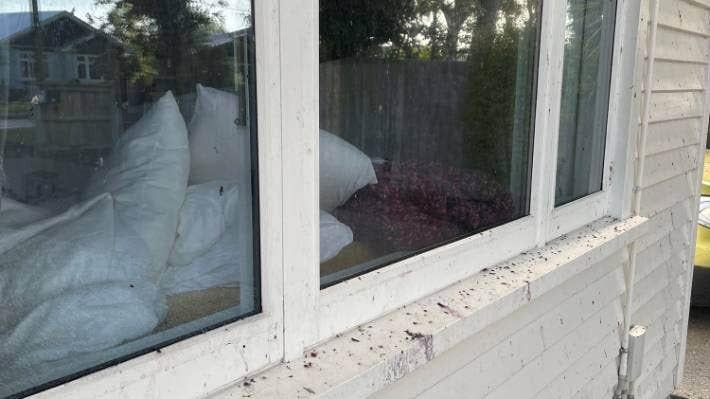
As a Christchurch street is blighted by starlings, how do you get rid of the winged pests?
From reporter Lee Kenny:
---------------------------
For the Christchurch residents living in a street blighted by bird poo starlings are a menace – but how do you deal with the flying pests?
According to New Zealand Birds Online, the common starling was introduced for insect control, but they are now found across Aotearoa and the Subantarctic Islands.
They nest in hollow trees, under house eaves and even in letter boxes. As well as creating a mess, they eat crops and make a noise, which some people find annoying.
There are a range of methods to discourage starlings, from the cheap to the costly.
Westport-based Maintrac Group sells a range of equipment for dealing with pests, like starlings.
These include the high-tech Bird-X, a $795 device that uses red and green laser beams to deter birds.
Deploying bird spikes is among the least expensive options. The stainless steel spikes can be adhered to surfaces, preventing birds from landing and therefore pooping on property below.
“A successful way to deter starlings is to prevent them from landing,” Maintrac Group's website says.
“Starlings need a lot of energy just to fly, so if they are prevented from landing near a food source they soon use up what energy they do have, and have to move off to other areas to feed. If one goes, they all go.”
Shiny holographic tape can also be applied to surfaces to discourage the birds from settling, while an artificial osprey hawk does a similar job.
Another option is a Carousel Gas Gun, which makes a loud bang and scares unwanted birds away.
The noise will be familiar to anyone who has spent time in the countryside, but the intermittent blasts might not be suitable for suburbia.
A less noisy option might be an ultrasonic bird and animal repellent, which emits a high-frequency sound to scare away flying pests.
Despite the thousands of starlings that descend on Dudley St, Richmond, each summer, one pest expert said they are not a common problem in Christchurch.
“The bird-work we do is usually involving pigeons,” Gary Hendrikse, director of Elite Pest Control, said.
“I don't think I've ever had a call to get rid of starlings.
“The only other nuisance birds are ones that nest in people's ceilings, that's often to do with preventing access.”
Other methods for discouraging starlings include removing nests and food sources, and patching up holes to areas that could be used as a nesting site.

🧩😏 Riddle me this, Neighbours…
I am an odd number. Take away a letter and I become even. What number am I?
Do you think you know the answer?
Want to stop seeing these in your newsfeed? No worries! Simply head here and click once on the Following button.


Some Choice News!
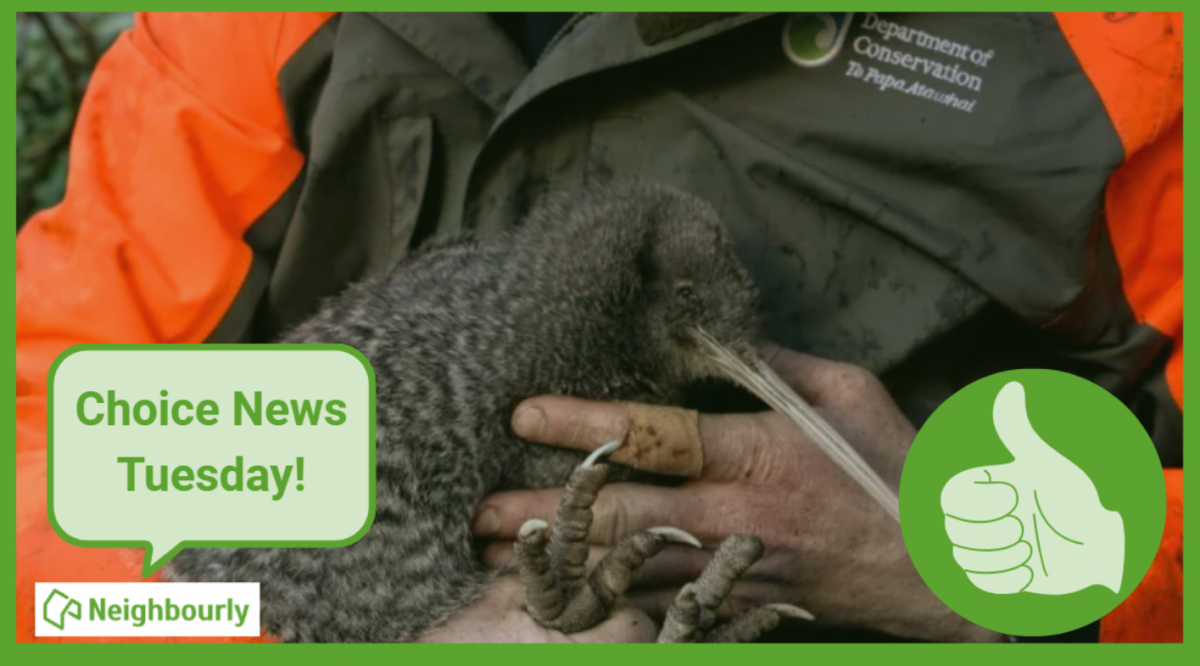
DOC is rolling out a new tool to help figure out what to tackle first when it comes to protecting our threatened species and the things putting them at risk.
Why does this matter? As Nikki Macdonald from The Post points out, we’re a country with around 4,400 threatened species. With limited time and funding, conservation has always meant making tough calls about what gets attention first.
For the first time, DOC has put real numbers around what it would take to do everything needed to properly safeguard our unique natural environment. The new BioInvest tool shows the scale of the challenge: 310,177 actions across 28,007 sites.
Now that we can see the full picture, it brings the big question into focus: how much do we, as Kiwis, truly value protecting nature — and what are we prepared to invest to make it happen?
We hope this brings a smile!

Poll: Canterbury is thriving on paper... but are you seeing evidence of Canterbury's improving economy?
As reported in the Press, Reserve Bank Governor Anna Breman recently gave a shout-out to our region, calling Canterbury a "stand-out" for how we recover from tough times. With tech firms growing and exporters investing, the business side of things is looking bright!
👉 But we know that "business growth" doesn't always mean the weekly shop gets any cheaper. While the city expands, many families feel like they’re just trying to keep their heads above water.
We want to know: With the business buzz of 2026, do you feel like things are finally looking up for your household, or does it still feel like a climb?
-
22.2% Yes
-
50% No
-
27.8% In some areas ...
 Loading…