




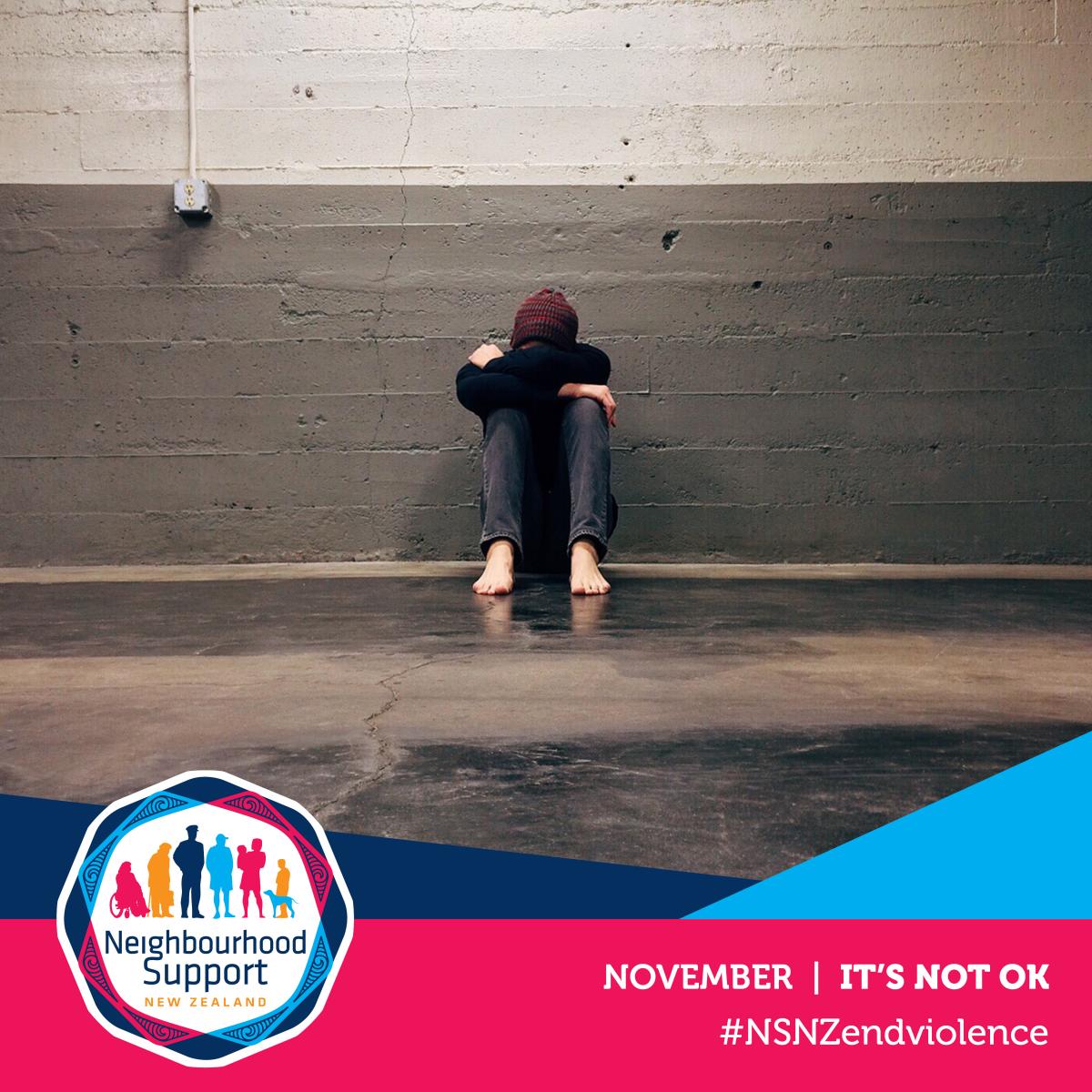
🙅♀️ It’s Not OK - November 1st to 30th 🙅♂️
Creating safer communities means ensuring that no one lives in fear of harm on the streets or in their own home. For the month of November, we want to raise awareness and work together to end all forms of violence including family harm, elder and child abuse, sexual assault, gang violence, and more. These victimisations affect us all and can have lasting effects that spill into our everyday lives including at work and school.
To do your part this month, perhaps consider supporting a women’s refuge or work with Police in your area to host an info night on how to identify elder or child abuse in your community. This month’s campaign also coincides with White Ribbon Day on 25 November which is an internationally celebrated day that aims to prevent violence towards women.
Let us know how you’re spreading the ‘It’s Not OK’ message in your home or in your community by tagging us in your posts + using the following hashtag so we can see what you get up to:
#NSNZendviolence

Poll: If we want to reduce speeding, what do you think actually changes driver behaviour? 🛻🚨🚓
In the Post's article on speeding penalties, the question is asked whether speeding fines are truly about road safety, or are they just a way to boost revenue for the Crown?
What do you think? Should speeding motorists receive speeding fines or demerit points?
-
32.5% The sting of a fine (Money talks!)
-
67.5% The threat of demerit points (Nobody wants to lose their license!)

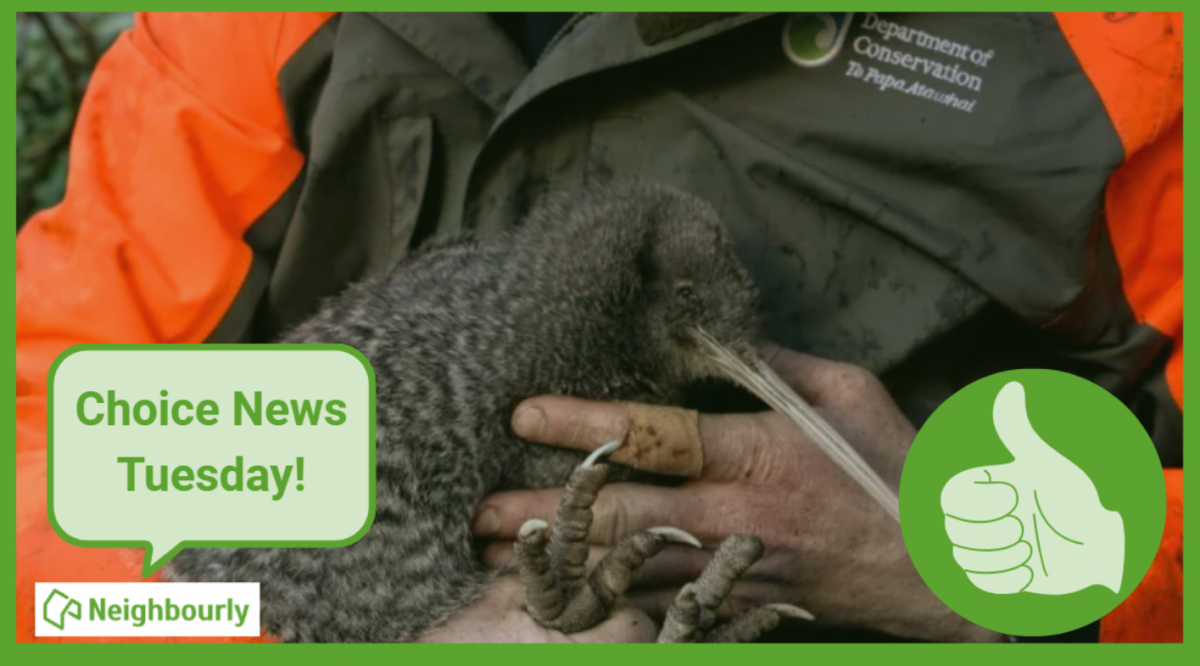
Some Choice News!
DOC is rolling out a new tool to help figure out what to tackle first when it comes to protecting our threatened species and the things putting them at risk.
Why does this matter? As Nikki Macdonald from The Post points out, we’re a country with around 4,400 threatened species. With limited time and funding, conservation has always meant making tough calls about what gets attention first.
For the first time, DOC has put real numbers around what it would take to do everything needed to properly safeguard our unique natural environment. The new BioInvest tool shows the scale of the challenge: 310,177 actions across 28,007 sites.
Now that we can see the full picture, it brings the big question into focus: how much do we, as Kiwis, truly value protecting nature — and what are we prepared to invest to make it happen?
We hope this brings a smile!

Addictive Eaters Anonymous
How much does it cost to join AEA?
There are no dues or fees for joining AEA or attending AEA meetings. We are self-supporting through our own voluntary contributions. At some point during each meeting we pass the basket to help cover expenses, such as the cost of rent and literature. Members are not obliged to contribute, but we usually do so to the extent we are able.
 Loading…