




NZTA's $90m Brougham St will be detrimental to nearby suburbs, council says
A $90 million upgrade of a busy Christchurch road could have a detrimental impact on the city’s oldest residential neighbourhoods, the city council warns.
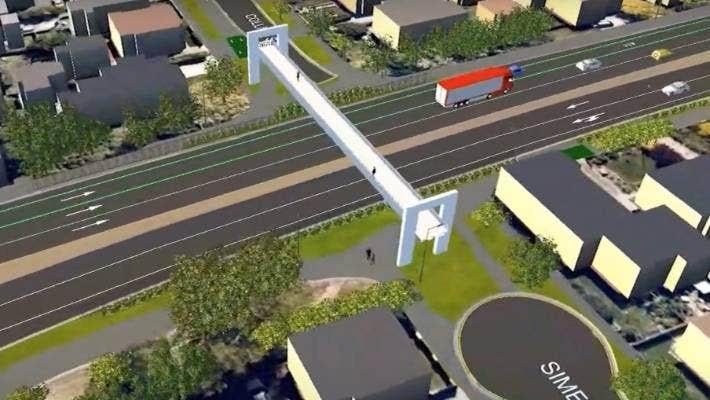
Waka Kotahi NZ Transport Agency (NZTA) is proposing several changes to Brougham St, including a pedestrian overbridge, building a third lane in place of car parks, and a shared cycle-pedestrian path.
The agency wants to have “T2 lanes” during peak hours – for buses, cars with at least one passenger, or motorcycles – but the Christchurch City Council wants them to extend beyond Brougham St all the way to Rolleston. Outside of peak times they would be available for parking.
In a submission to NZTA about the project, the city council said the proposals did not adequately consider the impacts on adjoining suburbs.
Brougham St bisects some of the oldest residential suburbs in the city including Sydenham, Spreydon, Waltham and Addington.
The council was concerned the proposals would increase the noise, vibrations and emissions for residents because the traffic would be closer to homes.
Part of the project’s success relied on the council making changes to surrounding roads, and the council called on NZTA to pay for those changes.
It did not want to see ratepayers burdened financially as a result of the project, and wanted to avoid a repeat of NZTA’s northern corridor project, for which the council had to spend millions of dollars adapting local roads.
Brougham St is classed as a state highway so is the responsibility of NZTA, but the roads leading into it are under the council’s control.
An average of 45,000 vehicles, including 4500 freight vehicles and trucks, use the road each day. It is a crucial link for vehicles carrying freight to and from Lyttelton Port.
Under the proposal, intersections will be upgraded, with more traffic signals, turn arrows and bus priority lights.
The pedestrian overbridge will connect Collins St and Simeon St, which under the plan would both become vehicle cul-de-sacs.
A shared cycle-pedestrian path would be separated from the westbound lane with new trees, between Simeon St and Opawa Rd.
The council said the shared path might not be wide enough for pedestrians and cyclists to safely travel together, and wanted to see it made wider.
It was also concerned the proposals did not provide for commuter cyclists, who were unlikely to use the shared path. The council wanted an assurance there would be provision for on-road cycle lanes at least 1.8 metres wide.
However, councillor Phil Mauger said at a council meeting on Thursday commuter cyclists should be encouraged to “rat run” (take shortcuts on side roads) down another road because there was not enough room for them on Brougham St.
Cr Melanie Coker was concerned there was no provision for a right hand turn into Selwyn St, but the council believed this would lead to vehicles rat-running.
She said the community had fought for a number of years to get the turn put in and to remove it was a “slap in the face for communities”.
She wanted NZTA to put the physical work on hold so it could address all the council’s submission points.
The council also criticised NZTA for holding consultation over the summer holiday period.
Public feedback on NZTA’s proposal closes on Friday (January 28).

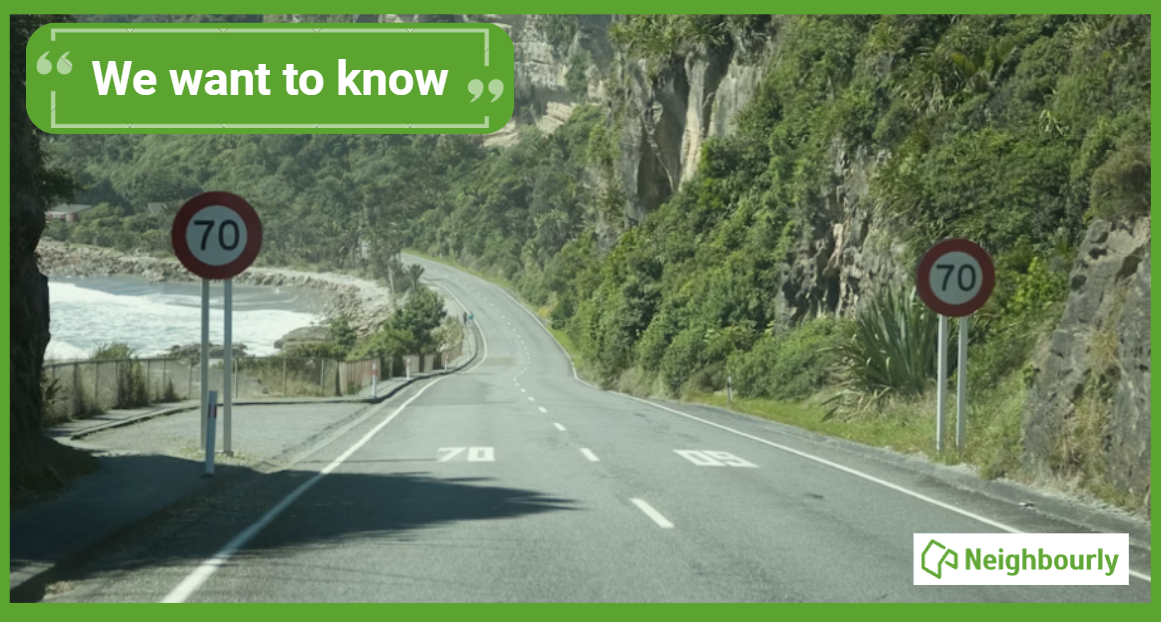
Poll: If we want to reduce speeding, what do you think actually changes driver behaviour? 🛻🚨🚓
In the Post's article on speeding penalties, the question is asked whether speeding fines are truly about road safety, or are they just a way to boost revenue for the Crown?
What do you think? Should speeding motorists receive speeding fines or demerit points?
-
32.6% The sting of a fine (Money talks!)
-
67.4% The threat of demerit points (Nobody wants to lose their license!)

Some Choice News!
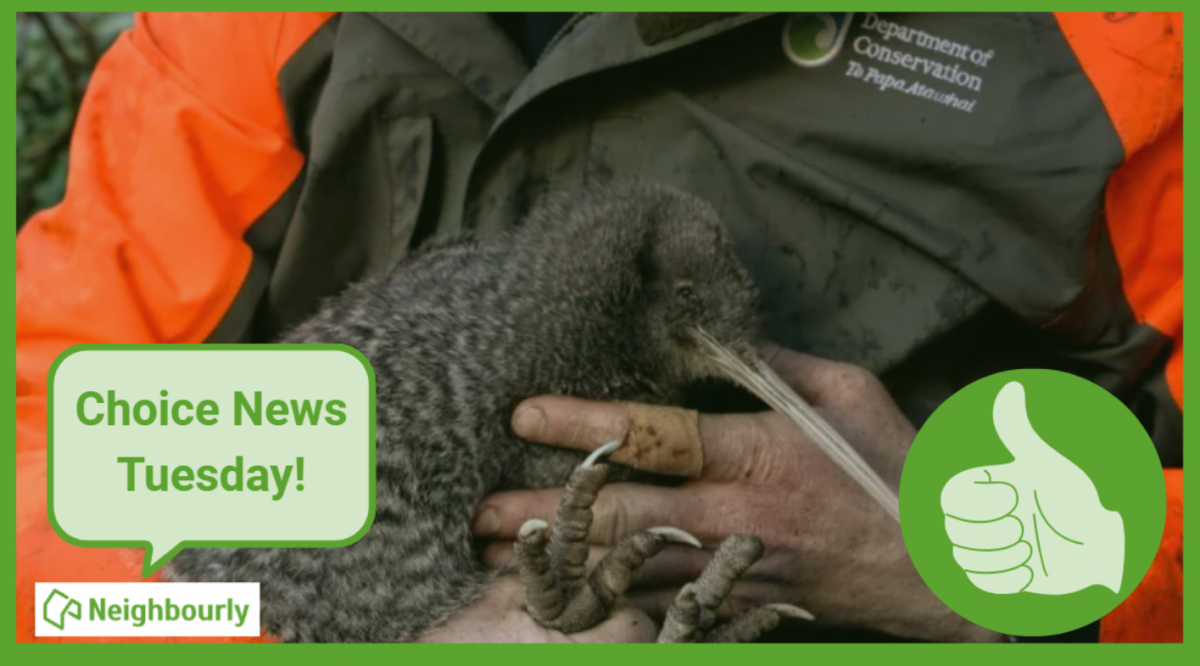
DOC is rolling out a new tool to help figure out what to tackle first when it comes to protecting our threatened species and the things putting them at risk.
Why does this matter? As Nikki Macdonald from The Post points out, we’re a country with around 4,400 threatened species. With limited time and funding, conservation has always meant making tough calls about what gets attention first.
For the first time, DOC has put real numbers around what it would take to do everything needed to properly safeguard our unique natural environment. The new BioInvest tool shows the scale of the challenge: 310,177 actions across 28,007 sites.
Now that we can see the full picture, it brings the big question into focus: how much do we, as Kiwis, truly value protecting nature — and what are we prepared to invest to make it happen?
We hope this brings a smile!

Addictive Eaters Anonymous
How much does it cost to join AEA?
There are no dues or fees for joining AEA or attending AEA meetings. We are self-supporting through our own voluntary contributions. At some point during each meeting we pass the basket to help cover expenses, such as the cost of rent and literature. Members are not obliged to contribute, but we usually do so to the extent we are able.
 Loading…