




Be aware of text messages that are Scams
So how does the scam work?
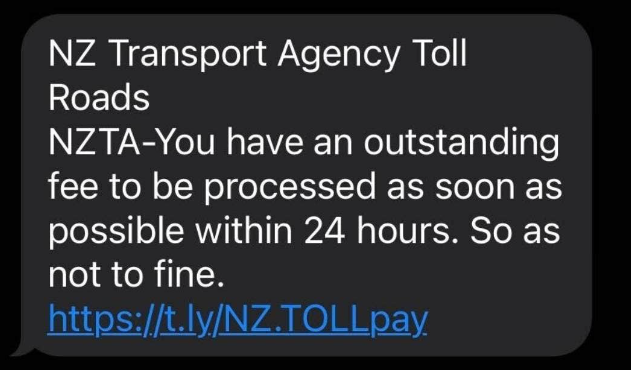
The message will look like it comes from a legitimate New Zealand agency like Waka Kotahi (NZ Transport Agency), NZ Post, Inland Revenue, NZ Police or a Bank. It will often be sent by a number with either a 64 or 61 prefix at the beginning - country codes from New Zealand and Australia.
It will encourage you to click on a link and pay a bill or toll, sometimes to collect a cash prize.
Advice for dealing with scams
• Not all messages will look the same, as scammers change their wording over time.
• Do not engage with or click any links before you know a message is genuine.
• To check if a message is genuine, check directly with the people it came from. Go to the organisation’s website or check your online account directly.
• Scam messages commonly contain bad or irregular spelling and grammar. Use this as your first sign that this could be a scam.
• Never provide any card or personal details if you do click a bad link.
• If you have paid money already, speak to your bank as soon as possible and let them know what’s happened.

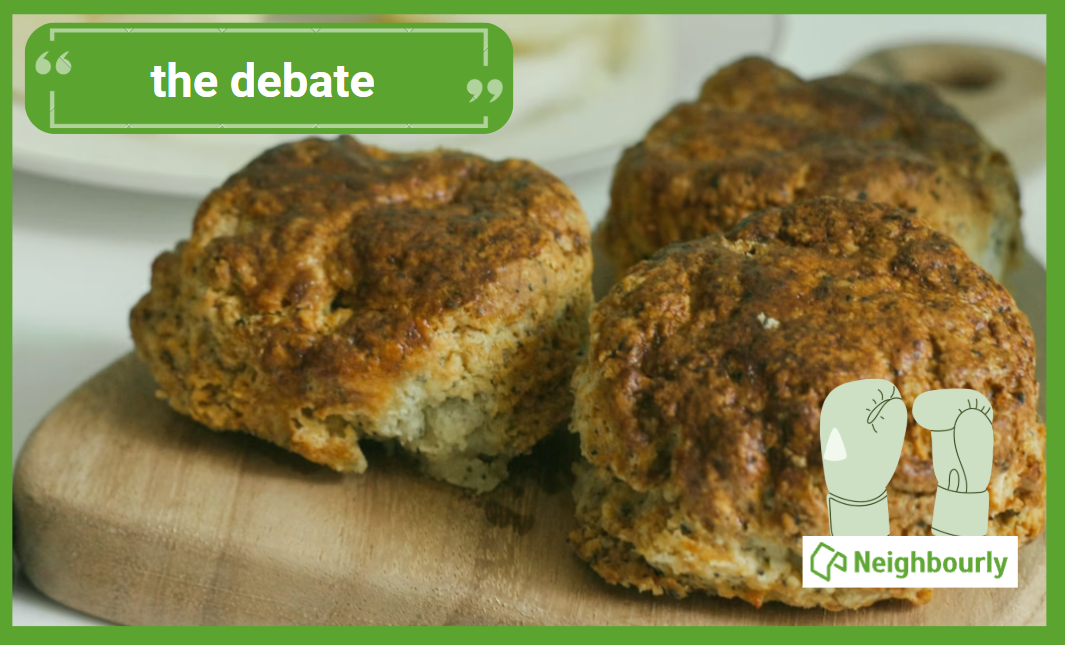
Poll: Does a savoury scone require cheese on top, or folded inside?
Help settle the great kiwi debate ... cheese on top, or folded inside?
-
76.3% Inside!
-
23.7% On top!
Got more greens than you know what to do with? 🥦🌱🥕
Whether it’s a courgette takeover or a feijoa frenzy, don’t let those garden gems go to waste!
Our suggestion to you: Did you know you can grate and freeze excess courgettes to use in chocolate cake later? It sounds a bit dodgy, but it makes the cake incredibly moist ... and hey, it counts as a serving of veg, right? 🍫
What’s your go-to move for a bumper harvest? Drop your best "glut" recipes or preservation hacks in the comments below! 👇
Poll: Have we lost our "Clean & Green" edge? 🌏
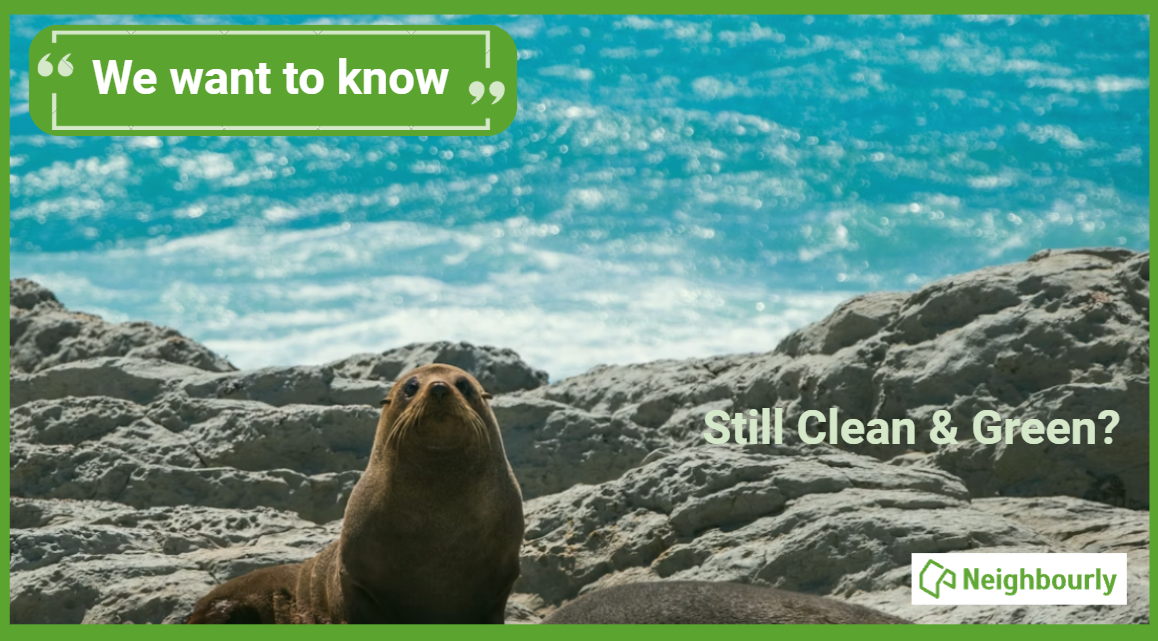
The Press just released an article on the proposed plan to pump sewage into the sea, and it’s got us thinking. We’ve always been proud of our environment, but is the "Clean and Green" reputation still earned?
What’s your take? Are we doing enough to look after our backyard? Is it time for a new slogan? 💬
-
71.5% Yes
-
11.8% No
-
16.7% All is not lost!
 Loading…