





First animal MRI clinic opens in Christchurch as more Kiwis willing to spend big on their pets' health
New Zealand’s first dedicated animal MRI clinic has opened in Christchurch as a growing number of Kiwis are willing to invest in their pets’ care, including one man who spent $75,000 flying his cat to Auckland to be operated on by a top animal surgeon.
Pacific Radiology has teamed up with McMaster & Heap veterinary practice in Hoon Hay to offer the service using the same technology currently used to treat human patients.
Able to scan animals less than 180 centimetres in circumference, the wide bore MRI technology can be used on household pets, farm animals and some zoo animals, including tigers.
Costing upwards of $3500, MRI is considered the gold standard of veterinary diagnostic treatment according to McMaster & Heap veterinarian Michelle McMaster, but they have not been widely used on animals.
Used to look inside a body, Magnetic Resonance Imaging utilises magnetic fields and radio waves to create a three-dimensional image, providing accurate high resolution images of an animal’s brains, spine, limbs and joints.
For the past four years McMaster has been taking pets that needed an MRI to Forté Health, but the scans had to be fitted around human patients and were often undertaken at night.
With clients prepared to spend more money on their pets, McMasters, who has been working as a vet for over 30 years, has been helping scan up to nine animals a month alongside Pacific Radiology MRI Animal Imaging Lead Gareth Leeper using Forté Health.
Christchurch pet owner Justin, who did not want his last name used, knows all too well how important having an MRI facility close at hand is after Sashenka (pictured), his 14-year-old Norwegian Forest cat, became ill in 2019.
After many tests and with no diagnosis a CT scan eventually showed Sashenka had a meningioma tumour.
Considered to be his fur daughter, Justin, whose partner is expecting their first child, had no hesitation in making an appointment and flying her to Auckland to be operated on by a top animal surgeon.
There Sashenka could get an MRI scan that would enable the surgery to take place – without it she would not have survived.
“It was critical,” Justin says.
Sashenka made a miraculous recovery from the operation but required a further five scans, two CT scans and three rounds of chemotherapy before she died two years later.
Town and Country vet Roger Bay and his team euthanise a growing number of animals at home, where the pet’s last memory is of its happy place.
Although Justin estimates he spent around $75,000 on Sashenka’s care, he has no regrets and is part of a growing number of Kiwis willing to invest in their pet’s care.
“She was my everything…my fur daughter and my best friend.”
McMaster said most pet owners that come to her clinic will try and fix “everything”.
“We very rarely put anything down.”
PD Insurance NZ chief operating officer Michelle Le Long said year-on-year they have seen growth in the pet insurance market, although she thinks the market is still under-insured with less than 25% of the estimated 1.7 companion pets not insured.
Le Long said it wasn’t unusual to have pet owners in their early 20s signing on as the value of pets have increased.
A lot of insurers covered diagnostic MRI scans, she said.



Poll: How important is the ability to book a doctor’s appointment online?
Hi Neighbours
Here at The Doctors we would love to hear how you prefer to book your doctor’s appointments. With busy schedules, different people find different methods easier.
For some, online booking is very convenient, you can make an appointment anytime without needing to wait on the phone. Others still prefer calling the clinic and speaking to a real person, especially if they have specific questions about their visit.
Your feedback helps us understand what works best for our patients and how we can improve access to care.

-
37.2% I prefer booking online whenever possible
-
23.2% Online booking is helpful but not essential
-
36% I prefer calling the clinic
-
3.7% I didn’t know online booking was available

A reminder this hunting season
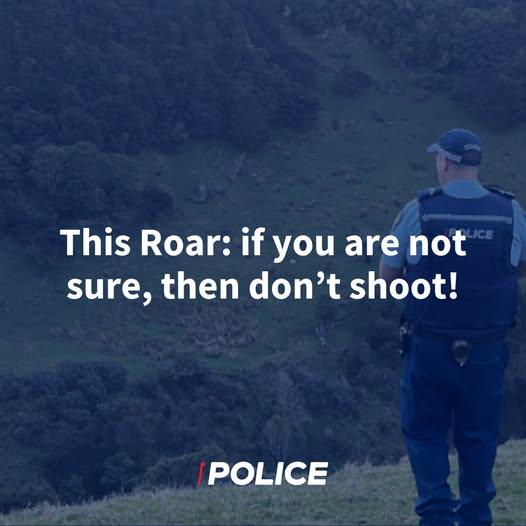
As thousands of hunters are making their plans for autumn – the Roar – recreational firearms groups are urging hunters to always be 100% sure of their targets.
Te Tari Pureke - Firearms Safety Authority NZ, which chairs the Recreational Firearms Users Group, has begun a public information campaign reminding hunters everywhere of Rule #4 of the Firearms Safety Code: to identify their target beyond all doubt.
Director Communities and Corporate, Mike McIlraith, says there is an estimated 50,000-60,000 New Zealanders involved in big game animal hunting each year, and the Roar is the key event for many hunters each year.
“The Roar is a fantastic time of year for hunters to get out into the hills after a trophy animal but hunting safely and making sure everyone gets home in one piece, still must be the most important goal of every trip,” says Mike McIlraith.
“The consequences of not fully identifying your target beyond all doubt can be catastrophic. Our message to hunters is a really simple one: If you are not sure, then don’t shoot.”
Mike McIlraith says while hunting fatalities are thankfully rare, research has shown that misidentification of the target is the largest firearms related risk to New Zealand deer hunters, and 80% of the time this involves members of the same hunting group.
The Authority says hunters should not feel pressured to take a shot: “Instead, hunters should take the time to analyse their target, wait and see if it is a hind or stag, how old is the animal, how many points does its antlers have? Identifying your target means never firing at sound, shape, colour or movement alone.”
Mike McIlraith says good hunters will slow down, and run through some simple mental checks:
- Can I see the whole animal, or could this be another hunter?
- Where are my hunting companions – could this be them or someone else?
- How much of the animal can you see, if it is a hind or stag, how old is the animal, how - many points does its antlers have?
“Taking a little extra time to identify your target and check the firing zone is the key to safer hunting. No meat or no trophy is better than no mate,” he says.

Poll: Does a savoury scone require cheese on top, or folded inside?
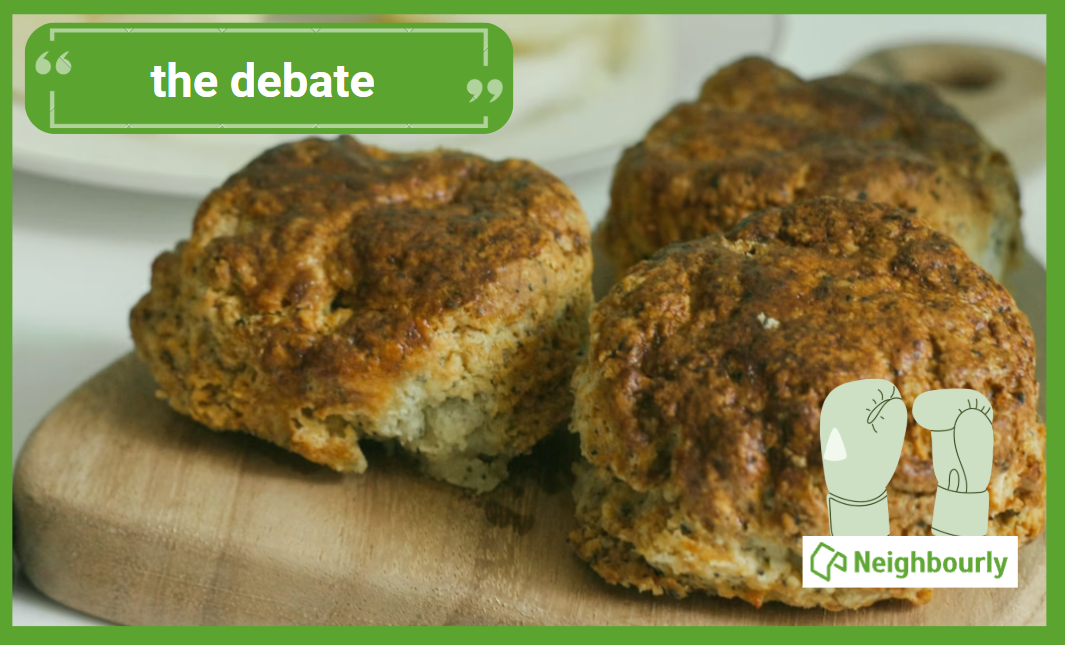
Help settle the great kiwi debate ... cheese on top, or folded inside?
-
76.5% Inside!
-
23.5% On top!
 Loading…