






Councillors launch last-minute bid to defer Christchurch's planned excess water charges
From reporter Tina Law:
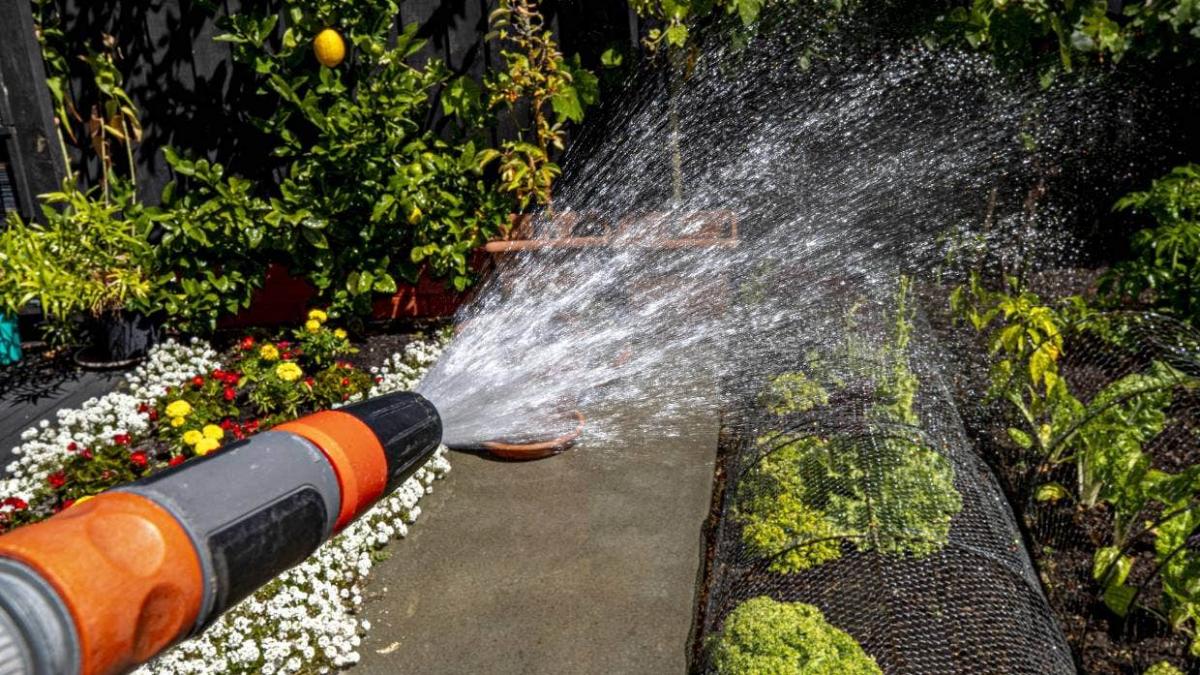
Charges for using excess water are expected to come into force from July 1, but some Christchurch city councillors have launched a last-minute bid to defer the policy.
The council decided last year, following public consultation, to charge from July this year those who use more than an average of 700 litres of water a day over a three-month period.
Thousands of homeowners across Christchurch can expect to receive a bill, but only during the summer months for most.
About 30,000 homes across Christchurch and Banks Peninsula used an average of more than 700 litres a day during the 2020-21 summer.
But the council will not be sending out bills for $25 or less, so people will have to use more than 900 litres each day over 90 days to receive a bill. Once a bill goes above $25, the person will be charged for all usage above 700 litres.
Suburbs with the most households using more than 700 litres include Hornby (1392), Avonhead (1364), Burwood (1336), Halswell (1119) and Fendalton (1066).
Council three waters boss Helen Beaumont said 20,000 households were using more than 900 litres a day and could expect a bill if they did not reduce their use. Most of those bills would be less than $100.
The charge would be $1.35 for every 1000 extra litres used.
There will be exemptions for households with eight members or more who are using water responsibly.
However, five councillors – Sam MacDonald, James Gough, Phil Mauger, Aaron Keown and Catherine Chu – want the charges deferred.
Councillors will discuss and vote on this issue as part of next week’s annual plan sign off. Continue reading here.

Poll: How important is the ability to book a doctor’s appointment online?
Hi Neighbours
Here at The Doctors we would love to hear how you prefer to book your doctor’s appointments. With busy schedules, different people find different methods easier.
For some, online booking is very convenient, you can make an appointment anytime without needing to wait on the phone. Others still prefer calling the clinic and speaking to a real person, especially if they have specific questions about their visit.
Your feedback helps us understand what works best for our patients and how we can improve access to care.

-
37.2% I prefer booking online whenever possible
-
23.2% Online booking is helpful but not essential
-
36% I prefer calling the clinic
-
3.7% I didn’t know online booking was available

A reminder this hunting season
As thousands of hunters are making their plans for autumn – the Roar – recreational firearms groups are urging hunters to always be 100% sure of their targets.
Te Tari Pureke - Firearms Safety Authority NZ, which chairs the Recreational Firearms Users Group, has begun a public information campaign reminding hunters everywhere of Rule #4 of the Firearms Safety Code: to identify their target beyond all doubt.
Director Communities and Corporate, Mike McIlraith, says there is an estimated 50,000-60,000 New Zealanders involved in big game animal hunting each year, and the Roar is the key event for many hunters each year.
“The Roar is a fantastic time of year for hunters to get out into the hills after a trophy animal but hunting safely and making sure everyone gets home in one piece, still must be the most important goal of every trip,” says Mike McIlraith.
“The consequences of not fully identifying your target beyond all doubt can be catastrophic. Our message to hunters is a really simple one: If you are not sure, then don’t shoot.”
Mike McIlraith says while hunting fatalities are thankfully rare, research has shown that misidentification of the target is the largest firearms related risk to New Zealand deer hunters, and 80% of the time this involves members of the same hunting group.
The Authority says hunters should not feel pressured to take a shot: “Instead, hunters should take the time to analyse their target, wait and see if it is a hind or stag, how old is the animal, how many points does its antlers have? Identifying your target means never firing at sound, shape, colour or movement alone.”
Mike McIlraith says good hunters will slow down, and run through some simple mental checks:
- Can I see the whole animal, or could this be another hunter?
- Where are my hunting companions – could this be them or someone else?
- How much of the animal can you see, if it is a hind or stag, how old is the animal, how - many points does its antlers have?
“Taking a little extra time to identify your target and check the firing zone is the key to safer hunting. No meat or no trophy is better than no mate,” he says.


Poll: Does a savoury scone require cheese on top, or folded inside?
Help settle the great kiwi debate ... cheese on top, or folded inside?
-
76.5% Inside!
-
23.5% On top!
 Loading…