





Covid-19: What a move to alert level 4 means for New Zealand
All of New Zealand will move to alert level 4 at 11.59pm after a new community Covid-19 case emerged in Auckland.
New Zealand will initially spend three days at alert level 4, except for Auckland and the Coromandel, which will remain at level 4 for seven days at this stage.
What are the rules at alert level 4?
Staying at home
People are asked to stay at home, unless they are undertaking essential travel to the supermarket or dairy, seeking necessary medical care or being tested for Covid-19, or to get physical exercise in their neighbourhood.
Unnecessary trips outdoors have spread the variant overseas, Prime Minister Jacinda Ardern said.
She advised people to wear a mask when leaving the house, and stay 2 metres away from others. “Stay local, do not congregate. Don't talk to your neighbours.”
Schools, workplaces and business
Businesses will be closed, except for essential services such as supermarkets, pharmacies, health clinics, petrol stations and lifeline utilities.
Only essential workers are permitted to go to work, others must work from home.
Schools and universities will shut down, and travel is severely limited.
Events and recreation
All gatherings are cancelled at alert level 4.
All public venues, including libraries, pools, leisure centres, gyms, early childcare centres, community venues and playgrounds are closed. Some public toilets will remain open.
Many large events have been canned.
Staying in your bubble
Once you go into a bubble you must stay in it, Ardern said.
If you are completely isolated, or you live alone, you can join a bubble with one other person.
Households are advised to nominate just one person to go shopping, and “always act like you have Covid-19”.
Travelling home
There is a grace period of 48 hours for people who are away from home to return home, if they cannot shelter safely in place. After this time, movement between regions will be restricted.
Covid-19 jabs
Covid-19 vaccinations will be suspended for 48 hours to ensure they can be carried out safely.
Read more here.

Poll: Should the government levy industries that contribute to financial hardship?
As reported in the Post, there’s a $30 million funding gap in financial mentoring. This has led to services closing and mentors stepping in unpaid just to keep helping people in need 🪙💰🪙
One proposed solution? Small levies on industries that profit from financial hardship — like banks, casinos, and similar companies.
So we want to hear what you think:
Should the government ask these industries to contribute?

-
59.6% Yes, supporting people is important!
-
26% No, individuals should take responsibility
-
14.4% ... It is complicated

A Neighbourly Riddle! Don’t Overthink It… Or Do?😜
Do you think you know the answer? Simply 'Like' this post if you know the answer and the big reveal will be posted in the comments at 2pm on the day!
If you multiply this number by any other number, the answer will always be the same. What number is this?

Have you got New Zealand's best shed? Show us and win!
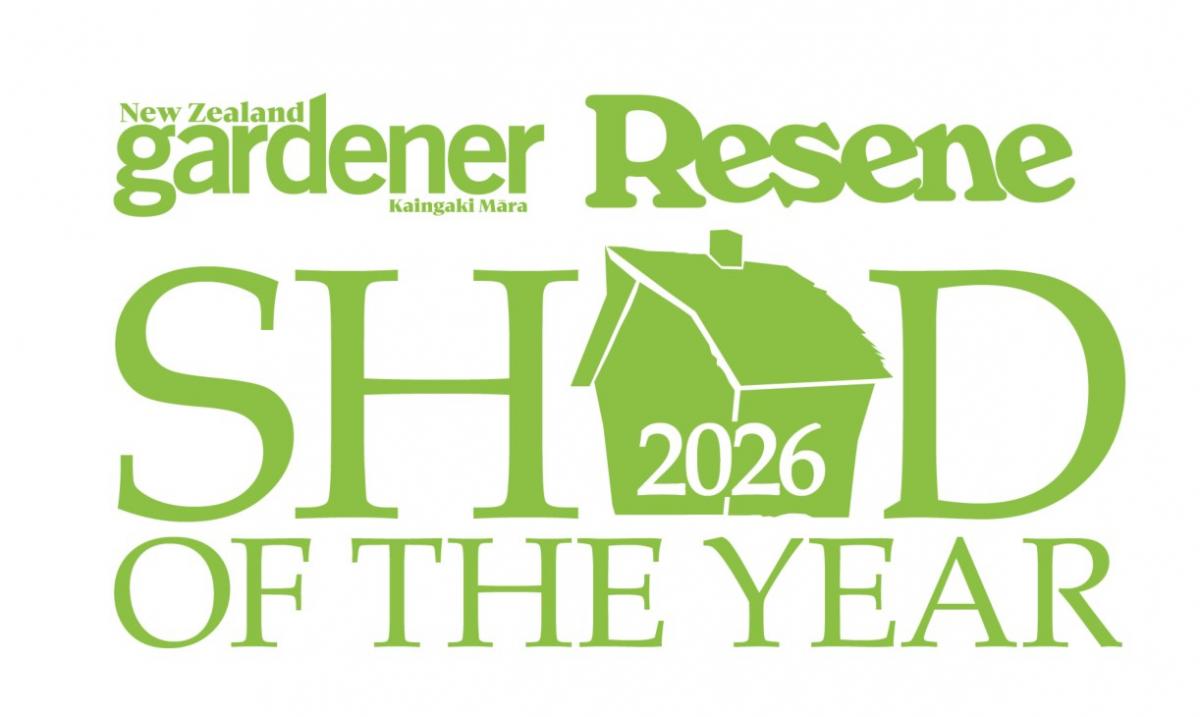
Once again, Resene and NZ Gardener are on the hunt for New Zealand’s best shed! Send in the photos and the stories behind your man caves, she sheds, clever upcycled spaces, potty potting sheds and colourful chicken coops. The Resene Shed of the Year 2026 winner receives $1000 Resene ColorShop voucher, a $908 large Vegepod Starter Pack and a one-year subscription to NZ Gardener. To enter, tell us in writing (no more than 500 words) why your garden shed is New Zealand’s best, and send up to five high-quality photos by email to mailbox@nzgardener.co.nz. Entries close February 23, 2026.
 Loading…