





Pensioners turn to plant-based diets as food prices soar
From reporter Jody O'Callaghan:
---------------------
Older Kiwis are going without meat and their usual staple foods and instead turning to plant-based alternatives as food prices soar in their highest annual increase in a decade.
Food prices have spiked to a 6 per cent increase year-on-year, according to Stats NZ, with the largest monthly increase in five years of 2.7 per cent in January.
Canterbury’s foodbank supplier is unable to meet the full demand of agencies feeding those on the breadline, and community workers are concerned about the older population who are less likely to seek help.
Staple foods like dairy and meat have become out of reach for many, and older shoppers are being taught to branch out to new alternatives like legumes.
Karen Ogg teaches older Linwood residents how to shop, budget and cook. Her tips for them include:
- Shop seasonally
- Look for the cheaper brands on the bottom shelf
- Eat a more plant-based diet, using cheaper and healthier protein options like legumes, with plenty of meat-free meals
- Buy cheaper meat in bulk and separate into portions for the freezer
- Buy canned fruit when fresh prices are too high
- Add lentils and beans to a meal to stretch it into more portions
- Soups full of vegetables left in the fridge are a good healthy and filling option.
Do you have any tips for reducing your grocery bill? Read the full story by Jody here and share your thoughts in the comments below.


Some Choice News!
DOC is rolling out a new tool to help figure out what to tackle first when it comes to protecting our threatened species and the things putting them at risk.
Why does this matter? As Nikki Macdonald from The Post points out, we’re a country with around 4,400 threatened species. With limited time and funding, conservation has always meant making tough calls about what gets attention first.
For the first time, DOC has put real numbers around what it would take to do everything needed to properly safeguard our unique natural environment. The new BioInvest tool shows the scale of the challenge: 310,177 actions across 28,007 sites.
Now that we can see the full picture, it brings the big question into focus: how much do we, as Kiwis, truly value protecting nature — and what are we prepared to invest to make it happen?
We hope this brings a smile!


🎉 Riddle me this, legends! 🎉
He/She who makes it, sells it.
He/She who buys it, doesn't use it.
The user doesn't know they are using it.
What is it?
(Shezz from Ngāruawāhia kindly provided this head-scratcher ... thanks, Shezz!)
Do you think you know the answer? Simply 'Like' this post if you know the answer and the big reveal will be posted in the comments at 2pm on the day!
Want to stop seeing these in your newsfeed?
Head here and hover on the Following button on the top right of the page (and it will show Unfollow) and then click it. If it is giving you the option to Follow, then you've successfully unfollowed the Riddles page.


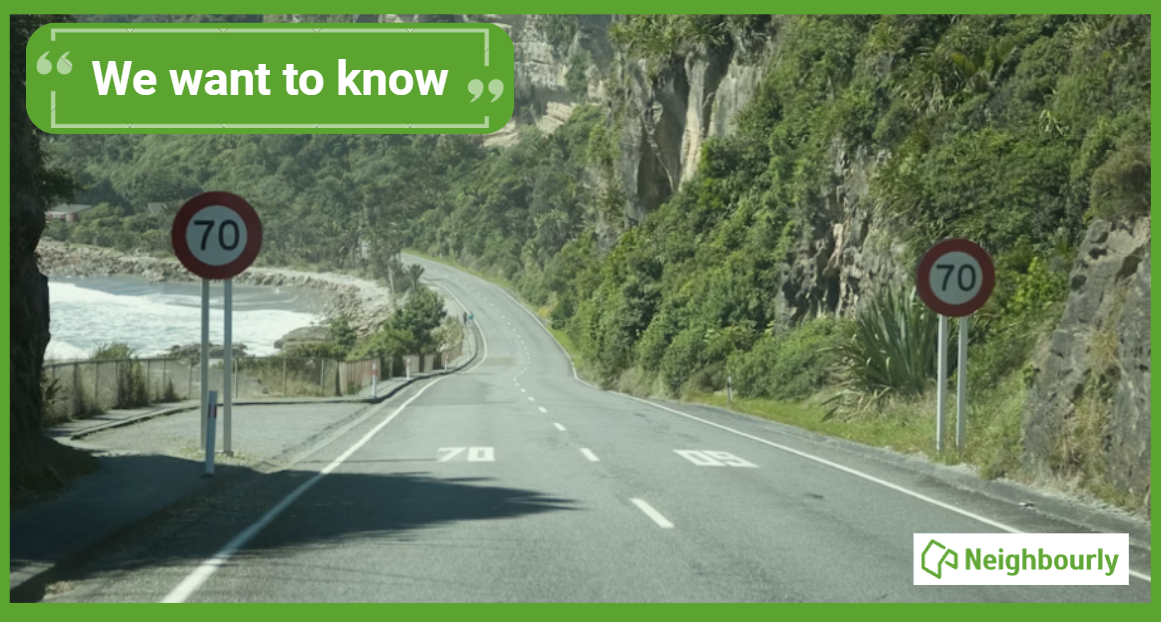
Poll: If we want to reduce speeding, what do you think actually changes driver behaviour? 🛻🚨🚓
In the Post's article on speeding penalties, the question is asked whether speeding fines are truly about road safety, or are they just a way to boost revenue for the Crown?
What do you think? Should speeding motorists receive speeding fines or demerit points?
-
37.2% The sting of a fine (Money talks!)
-
62.8% The threat of demerit points (Nobody wants to lose their license!)
 Loading…