




Benefits of Raised garden beds
This is the first in a series of posts outlining the benefits in using raised garden beds -
Raised bed gardening is not a new concept. Traditional gardeners used to double dig their beds to form rectangular or circular mounds 1-1 ½ ft. high, with sloping edges. A standard practice in areas receiving plenty of rain, it ensured good drainage, besides providing a bit of extra space for growing vegetables.
This type of gardening also proved to be perfect for many companion plantings such as carrots and onion family vegetables. The carrots went on the flat top of the beds and enjoyed the deep soil while the onions and leeks planted on the sides all around protected the beds from pests.
The benefits don’t end there, so it’s no surprise that modern gardeners are increasingly embracing raised bed gardening, albeit with a new twist. The sloping sides of the earlier beds have been replaced by solid frames that give them a well-defined look. This way, the beds can be as high as you’d like them and prevents soil runoff during rain.
1. Good aeration
You can make your raised beds the traditional way by digging up the ground within the solid frame or just pile up good quality soil, decomposed farmyard manure, and compost within it. Either way, it provides the plants with a rich growing media with a loose structure and allows for good air circulation around the roots.
Like every other part of the plant, roots need to breathe. They breathe in the oxygen from the air and expel carbon dioxide. If the soil is too compacted, the roots suffocate and fail to develop properly. That’s because good aeration is necessary for the roots to absorb essential nutrients. For example, the air pockets in the soil hold nitrogen which is converted into nitrate and nitrite salts by the soil bacteria, making this macronutrient available to the plant. Fewer air pockets mean less availability of nitrogen.
Proper aeration is important for keeping the microbial population in the soil healthy. It helps maintain a balance between the aerobic and anaerobic bacteria that play different roles in enhancing soil fertility.
Visit me - James at Out of the Woods Woodshop where we custom make raised garden beds and planter boxes to suit your dimensions and needs and receive a free quote, or call 0272427901.

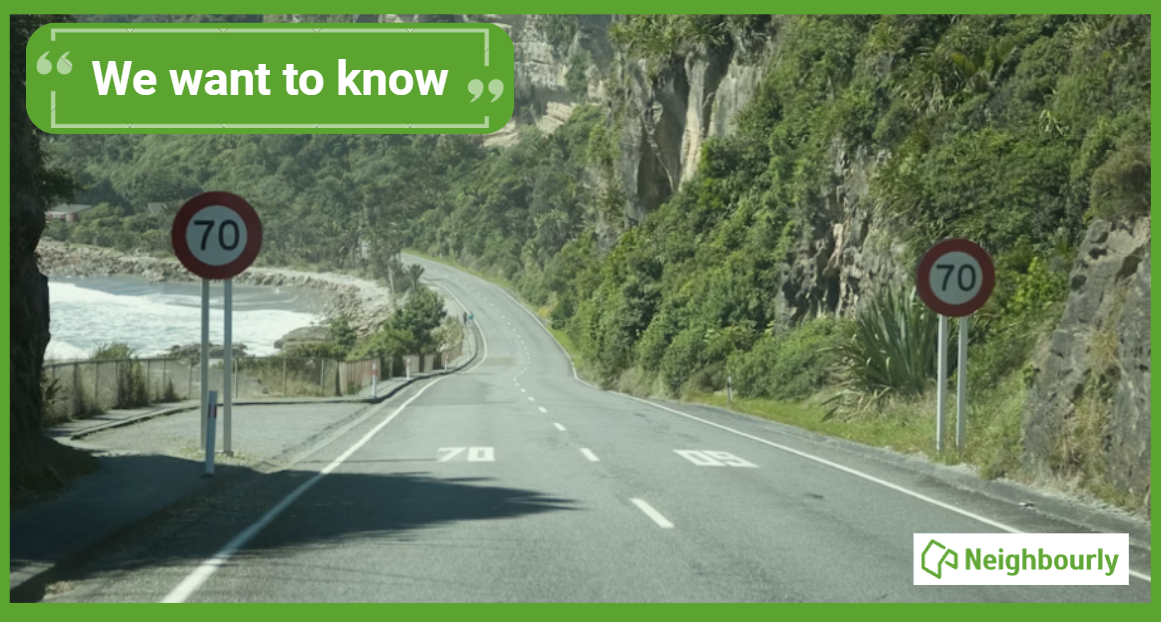
Poll: If we want to reduce speeding, what do you think actually changes driver behaviour? 🛻🚨🚓
In the Post's article on speeding penalties, the question is asked whether speeding fines are truly about road safety, or are they just a way to boost revenue for the Crown?
What do you think? Should speeding motorists receive speeding fines or demerit points?
-
38.1% The sting of a fine (Money talks!)
-
61.9% The threat of demerit points (Nobody wants to lose their license!)

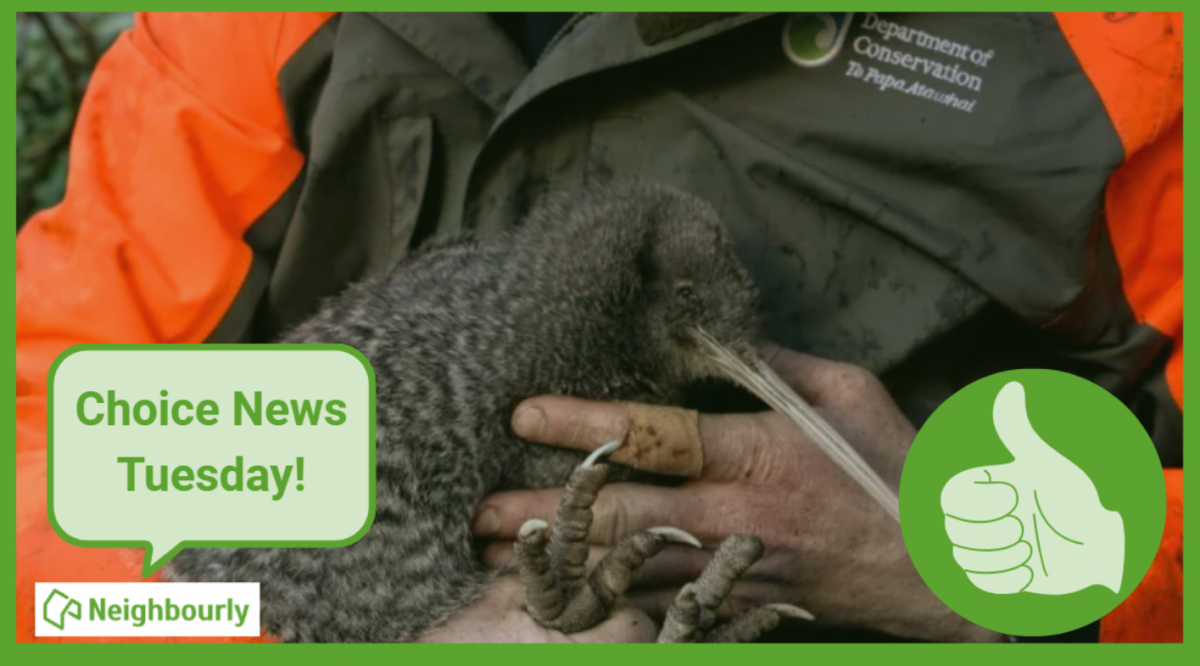
Some Choice News!
DOC is rolling out a new tool to help figure out what to tackle first when it comes to protecting our threatened species and the things putting them at risk.
Why does this matter? As Nikki Macdonald from The Post points out, we’re a country with around 4,400 threatened species. With limited time and funding, conservation has always meant making tough calls about what gets attention first.
For the first time, DOC has put real numbers around what it would take to do everything needed to properly safeguard our unique natural environment. The new BioInvest tool shows the scale of the challenge: 310,177 actions across 28,007 sites.
Now that we can see the full picture, it brings the big question into focus: how much do we, as Kiwis, truly value protecting nature — and what are we prepared to invest to make it happen?
We hope this brings a smile!

🎉 Riddle me this, legends! 🎉
He/She who makes it, sells it.
He/She who buys it, doesn't use it.
The user doesn't know they are using it.
What is it?
(Shezz from Ngāruawāhia kindly provided this head-scratcher ... thanks, Shezz!)
Do you think you know the answer? Simply 'Like' this post if you know the answer and the big reveal will be posted in the comments at 2pm on the day!
Want to stop seeing these in your newsfeed?
Head here and hover on the Following button on the top right of the page (and it will show Unfollow) and then click it. If it is giving you the option to Follow, then you've successfully unfollowed the Riddles page.

 Loading…