




Lichen!
A harmless and sometimes considered unslightly combination of algae or cyanobacteria and a fungus, coming together in a mutually beneficial relationship.
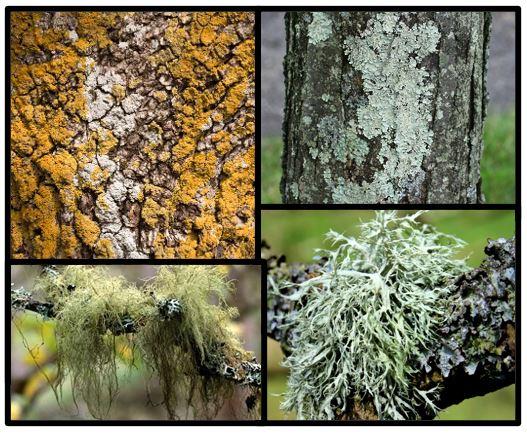
With a range of colours and forms, the presence of lichen on a tree is a sign of clean healthy air and that it has no negative impact on the growth of the tree.
An epiphyte (a plant or plant-like organism that grows on the surface of another plant), lichens are unlikely to kill a tree, or cause it to fail. Lichens are not parasitic and do not draw nutrients from the tree.
Lichens need sunlight for photosynthesis, so they don't thrive in heavy shade. Consequently, they are typically found on deciduous trees or trees that are already dying, as these conditions provide less leaf cover in the canopy, allowing more light to reach the lichens.
While it is normal and natural for lichen to be present on a tree, an abundance of lichen might suggest that the tree is experiencing some form of stress.
If you are concerned about the presence of lichen
Contact Us Now for your free, no obligation quote!
P: 03 384 9630
E: hello@thetreepeople.nz
W: www.thetreepeople.nz...
SPECIAL OFFER:
Book and accept a quote by 30 June and in partnership with Trees For Canterbury you'll receive a free native tree seedling!
Choose from Matai, Totara or Kahikatea.
From small things great things grow - let's green our community together and make a difference for our environment!

Poll: If we want to reduce speeding, what do you think actually changes driver behaviour? 🛻🚨🚓
In the Post's article on speeding penalties, the question is asked whether speeding fines are truly about road safety, or are they just a way to boost revenue for the Crown?
What do you think? Should speeding motorists receive speeding fines or demerit points?
-
37.1% The sting of a fine (Money talks!)
-
62.9% The threat of demerit points (Nobody wants to lose their license!)

Some Choice News!
DOC is rolling out a new tool to help figure out what to tackle first when it comes to protecting our threatened species and the things putting them at risk.
Why does this matter? As Nikki Macdonald from The Post points out, we’re a country with around 4,400 threatened species. With limited time and funding, conservation has always meant making tough calls about what gets attention first.
For the first time, DOC has put real numbers around what it would take to do everything needed to properly safeguard our unique natural environment. The new BioInvest tool shows the scale of the challenge: 310,177 actions across 28,007 sites.
Now that we can see the full picture, it brings the big question into focus: how much do we, as Kiwis, truly value protecting nature — and what are we prepared to invest to make it happen?
We hope this brings a smile!


Get up to $30,000 back* with your new home
Sign up to an independent apartment or townhouse at a participating Ryman village by 31 March 2026 and receive a $30,000 credit on settlement or sign up to a serviced apartment and receive a $10,000 credit on settlement*.
Imagine a new smart TV, your next getaway or furniture for your new home. With more money staying in your pocket, it’s yours to spend!
Discover the lifestyle that awaits.
*Participating villages only, Terms and conditions apply.

 Loading…