





A serious message about online challenges. Think Before you Scare
What should we do with online challenges and scare shares? No doubt you have heard about ‘that thing” on the news and social media recently.
The best thing to do is not to talk about it. The more we share the more damage we create.
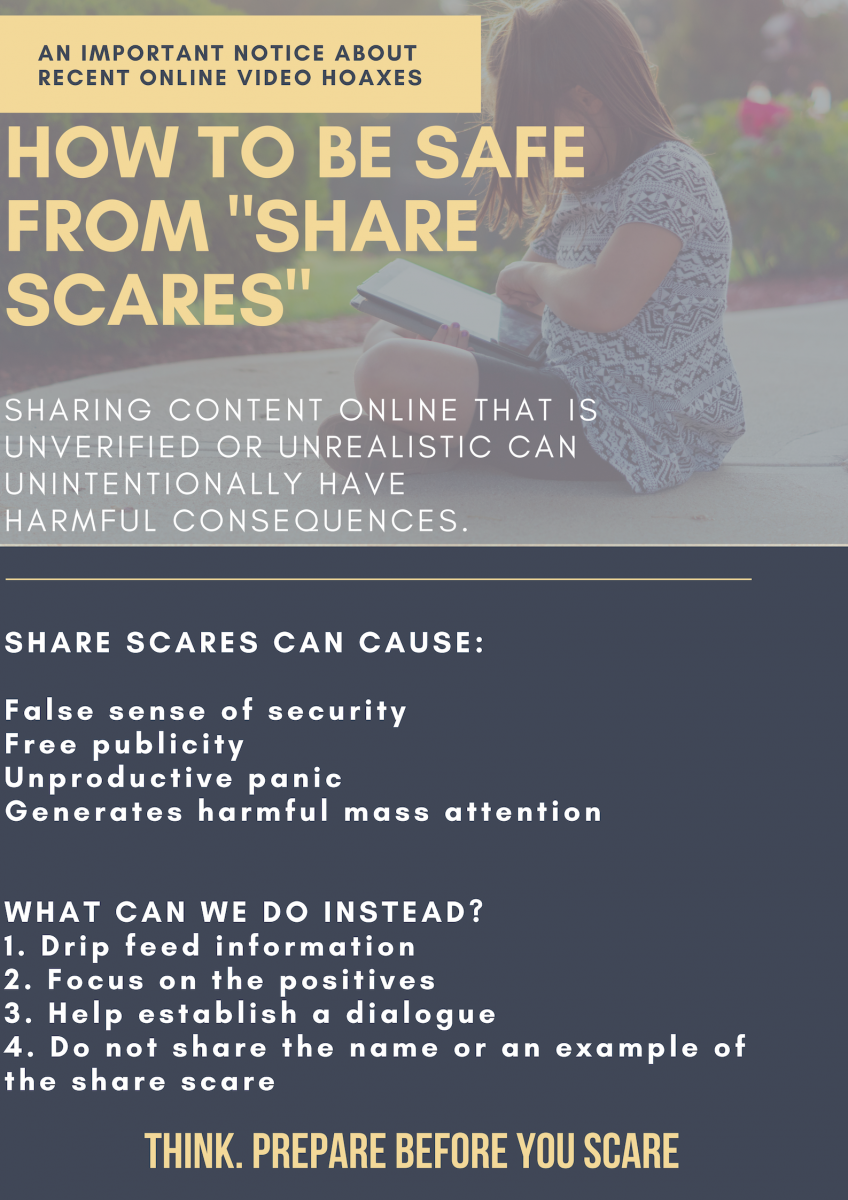
“Whilst sharing warning about specific risks, apps or trends is often done with good intentions; it can pose risks. Sharing content, either electronically or otherwise, that is unverified or unrealistic can unintentionally have harmful consequences. A blog post which explores how adults such as school, parents or other agencies, responding to viral stories with a rushed response can cause additional issues is available on Cybertrauma, a blog by Cath Knibbs, a Child & Adult Psychotherapist. Below is an edited letter template from scareletter.lgfl.net.”
I have also have a poster to easily share with others.
Stay safe!
Aaron
4 March 2019
Dear parent/carer,
Seeing and sharing scary things online
Keeping children safe is a top priority for everyone, whether on school premises or beyond, and this of course extends to the online world (although actually our online and offline lives are so blurred that it’s not always helpful to use this distinction).
In all we do, however, we should always focus on the positives of the online world. We recognise that technology is here to stay and pupils at our school live, love and learn through their tech.
What we would like to encourage you to do, though, is to talk to your children about what they get up to online.
Please take time to talk to them over the next few weeks about what they do on their devices and with whom, what they love, and what worries them. Why not get them to show or teach you how to use one of their apps, sites or games? The key thing is to stay positive, be real about the risks and make sure they know who they can talk to if they are unsure.
There are plenty of things to be aware of online, but if you are warning them about risks and dangers, please don’t show them scary images or tell them the names of ‘bad apps’ (all apps can be good or bad) or challenges/dares to avoid. If you do, that can scare them even more or encourage them to go and google it later!
In the past week there have been many press stories about a particular nasty challenge circulating with a scary image on social media. These stories are based on an urban myth / hoax which circulates every few months. Whether that is the case or not, please do not show any scary images from the newspapers to your children in order to talk about it, and do not mention the challenge by name. Instead, as above, talk about what to do if they see something scary or someone dares them to do something stupid or dangerous; ask them if they would tell someone and who; make sure they know never to forward these things to their classmates.
Let’s work together to avoid unnecessary sleepless nights.
Kind regards,
Aaron Maoate


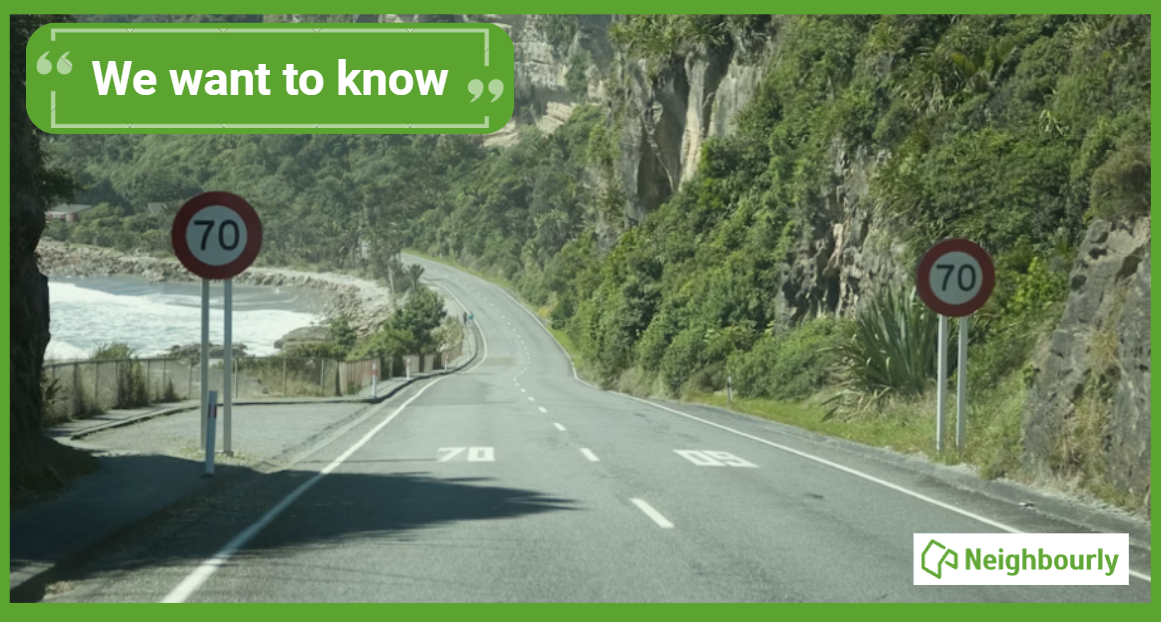
Poll: If we want to reduce speeding, what do you think actually changes driver behaviour? 🛻🚨🚓
In the Post's article on speeding penalties, the question is asked whether speeding fines are truly about road safety, or are they just a way to boost revenue for the Crown?
What do you think? Should speeding motorists receive speeding fines or demerit points?
-
36.3% The sting of a fine (Money talks!)
-
63.7% The threat of demerit points (Nobody wants to lose their license!)
Scam Alert: Bank cold calls
ASB is warning customers about reports of cold calls from scammers claiming to be from ASB. These scammers are trying to obtain personal information, including usernames, dates of birth, and verification codes sent to your mobile phone.
🛡️ The "Caller Check" Test
If you get a call from someone claiming to be from ASB and you’re unsure, just ask them for a Caller Check. You will then be able to verify the call through the app.
Remember, banks will:
❌ Never ask for your banking passwords, PINs, or verification codes
❌ Never need to know your full credit card number – especially the CVC
❌ Never ask you to download software or remotely access your device
❌ Never ask you to purchase gift cards or transfer funds.
If you have received a phone call and think your account has been compromised, call ASB on 0800 ASB FRAUD (0800 272 372), or visit your local branch.
 Loading…