






Hitting The Sweet Spot
You might think you have the perfect product to tempt your customers but are you certain your perceptions align with theirs?
Failure to find your customer’s sweet spot may simply render your product out of date and out of touch.
A rare box of 120 year-old chocolates from the Boer War was for sale recently on Trade Me and attracted quite a lot of attention. But the asking price and viewers’ comments provide food for thought about the importance of making sure your value perceptions match those of your customers.
The tin gift box dating from 1900 with New Year’s greetings from Queen Victoria holds a certain value for collectors of Boer War memorabilia. But the fact that it still contains the six original uneaten chocolate bars adds enormously to the interest this item is generating.
Initially, the vendor was very confident in the value of this auction and asked upwards of $2,000.
But the auction has had no bites, and as one person said, "$2000 is a hell of a lot". Such comments about the exorbitant price tag have forced the vendor to lower their expectations to around $800.
Part of the problem here was that rancid fat and sugar bloom makes the chocolate inedible. And who wants to buy a 120 year-old product that is not fit for purpose?
This raises some really important points about value perceptions. In simple terms, if you want your product to be relevant you need to understand where your customers’ sweet spot is and how you can add value to that.
It’s very easy to have a distorted view of the value your product offers to the market. You know the enormous amount of time, effort and resources that have gone into the research, design, pricing, sales and marketing of your product. And so you’re rightly proud of what you have achieved.
But this same intense involvement can blind you to changing customer tastes, the value your competitors offer and any flaws in your own value perceptions. The harsh reality is that what was considered valuable 1 year or even 6 months ago may no longer be valued.
It may be that customers’ perceptions have changed. It could be that a competitor is offering a lot more value for the same price. A drop in perceived value might be due to the use of non recyclable packaging or increased awareness of a labour issue some other seemingly unrelated aspect.
Such a volatile market requires you to always be on your toes. You need to constantly review, and ask; does my product add value to my consumers’ lives?


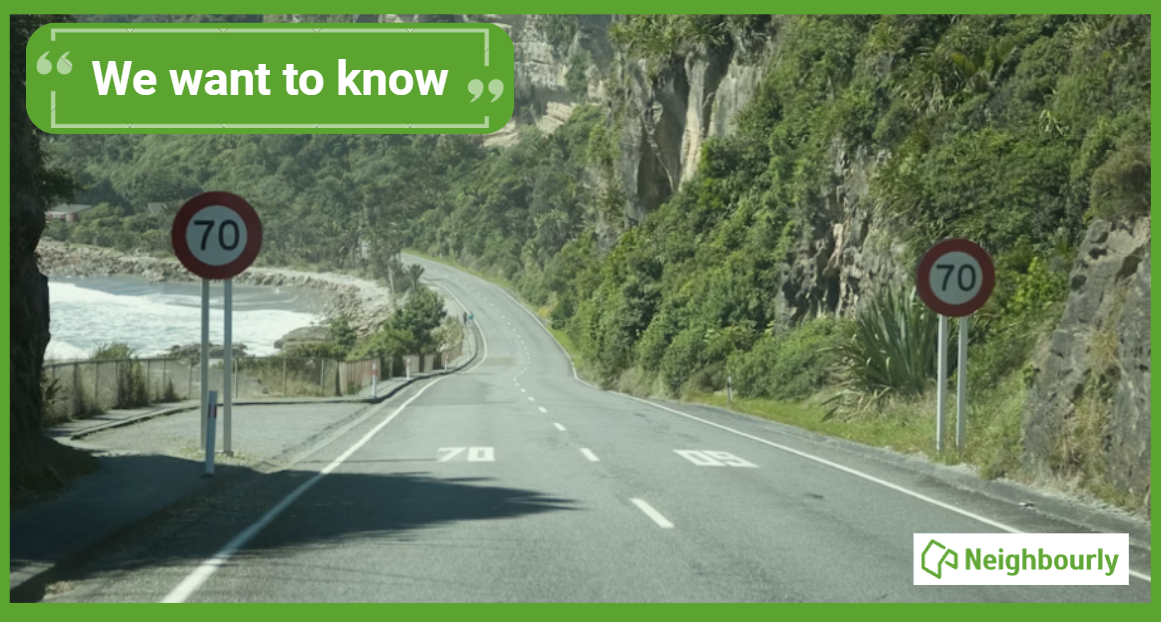
Poll: If we want to reduce speeding, what do you think actually changes driver behaviour? 🛻🚨🚓
In the Post's article on speeding penalties, the question is asked whether speeding fines are truly about road safety, or are they just a way to boost revenue for the Crown?
What do you think? Should speeding motorists receive speeding fines or demerit points?
-
30.2% The sting of a fine (Money talks!)
-
69.8% The threat of demerit points (Nobody wants to lose their license!)
Poll: Is Auckland’s economy improving?
The latest reporting from The Post suggests a wave of optimism for 2026. With interest rates finally heading south, businesses are feeling more positive. But for many on the ground, the real-world recovery feels a bit like a slow-moving commute on Auckland's motorways.
We want to know: Are you seeing signs of Auckland's economy improving in your industry or neighbourhood? Whether it's busier shops, new projects kicking off, or just a shift in the mood ...
-
16.9% Yes
-
65.6% No
-
17.5% A little

Denim, but make it one-of-a-kind 💙
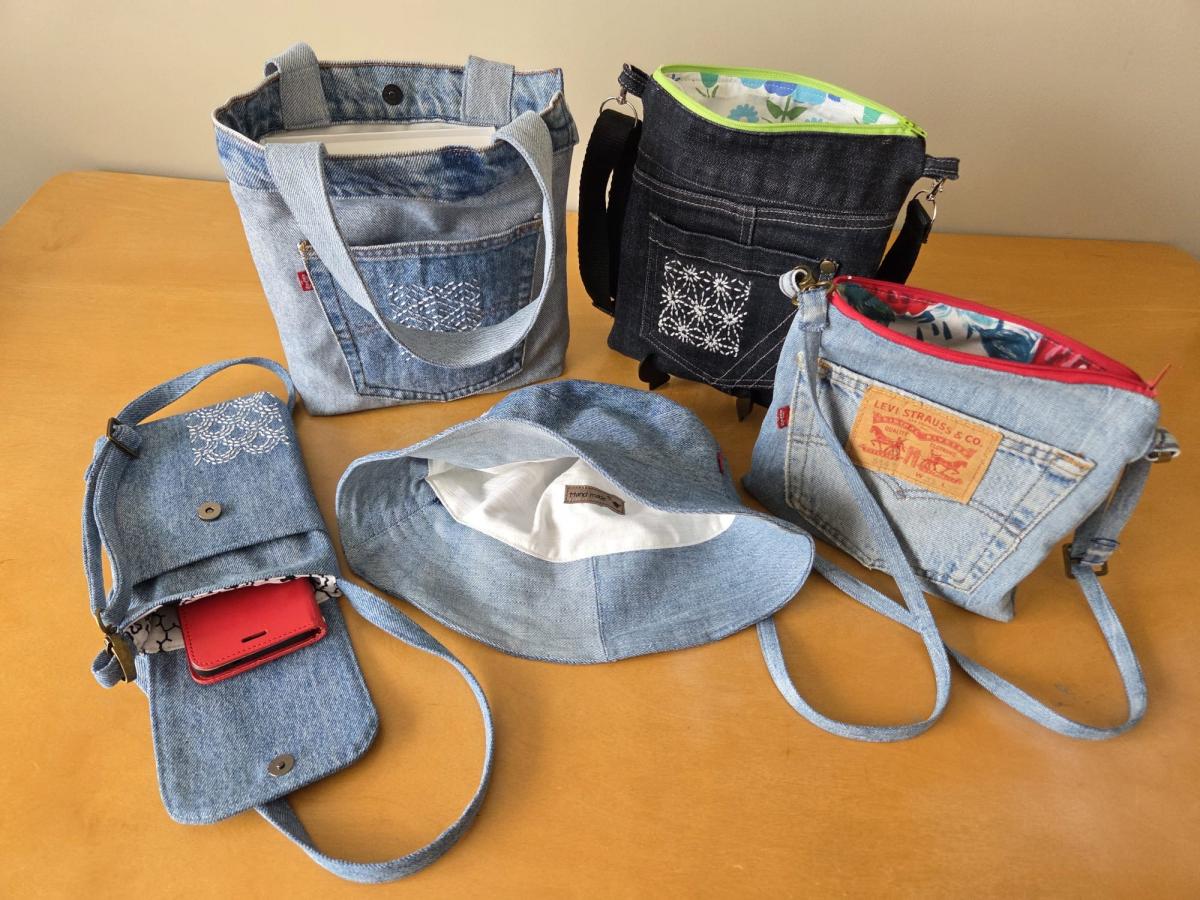
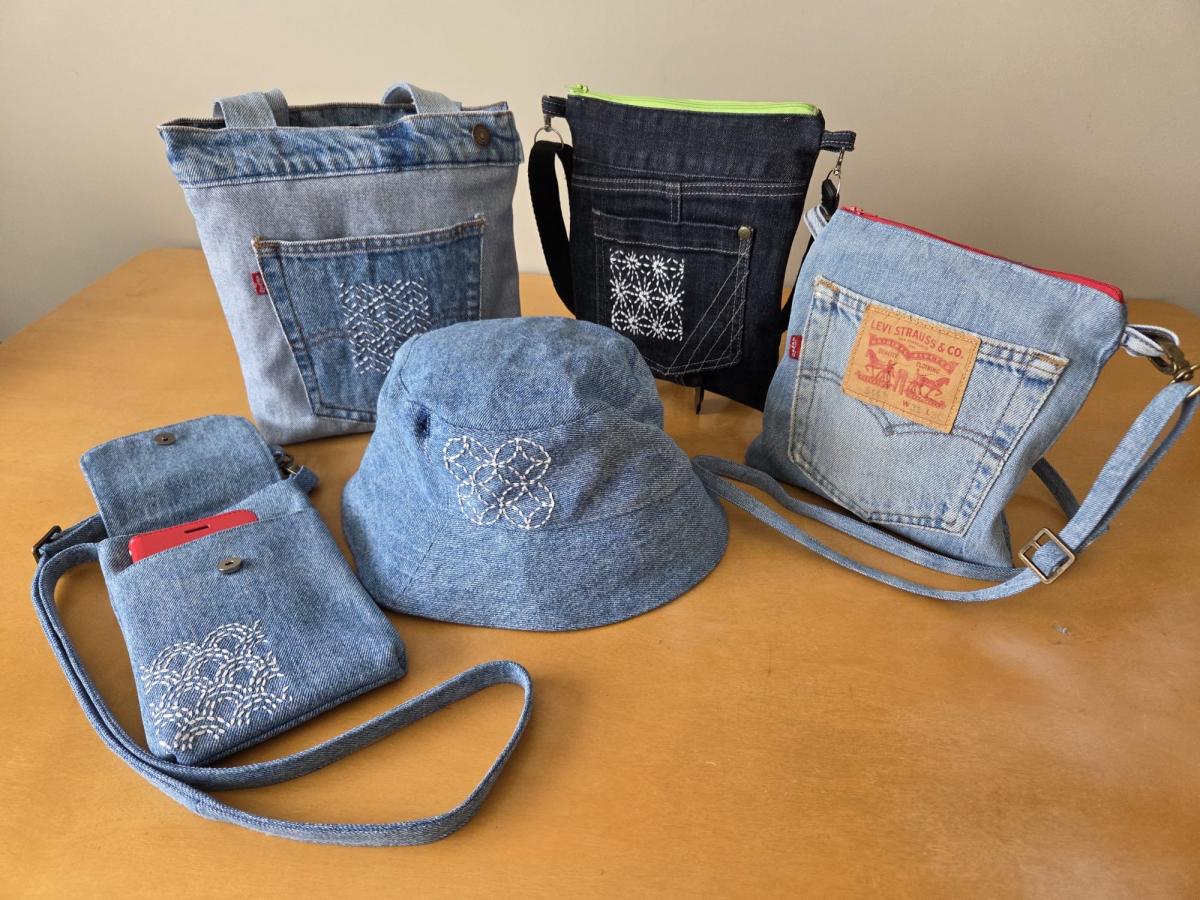
Not every pair of jeans makes it to the rack... but that doesn’t mean their story ends there. Our talented volunteer Annie has been transforming damaged denim into handcrafted bags, hats and aprons in our Onehunga SPCA Op Shop ✂️🧵
This latest batch even features her own hand-sewn designs, and customers have been loving them, they sell almost as soon as they hit the shelf!
It’s creativity, sustainability and community all stitched together, helping animals in need 🐾
📍 217 Onehunga Mall, Onehunga
🕘 9am–5pm, 7 days
 Loading…