






Life Coaching and Mindfulness - A trendy fad?
People often come to life coaching wanting help to change. For example, to change habits they have or the way they usually tend to respond in particular situations. These changes are often hard to make because most of us operate on ‘autopilot’ or ‘muscle memory’. We respond without conscious thinking, to situations as they come up. We have habitual responses that are often quite deeply ingrained.
Henry Ford, the founder of Ford Motor Company famously said that if we always do what we’ve always done, we’ll always get what we’ve always got. To change we must turn off the autopilot and respond consciously or ‘mindfully’ to each particular situation rather than just ‘doing what we have always done’.
To ‘turn off the autopilot’ we must be able to recognise or notice the point where we would usually react automatically, so we can consciously modify our response in a way that will better move us towards our chosen goals. Mindfulness helps us ‘notice the gap’ that very brief interval just before making a habitual response where we can consciously choose a more positive response.
Following extensive research, mindfulness training has now been widely adopted in both coaching and counselling because it helps us be more aware of our thoughts and feelings, and therefore recognise when opportunities to make conscious change arise.
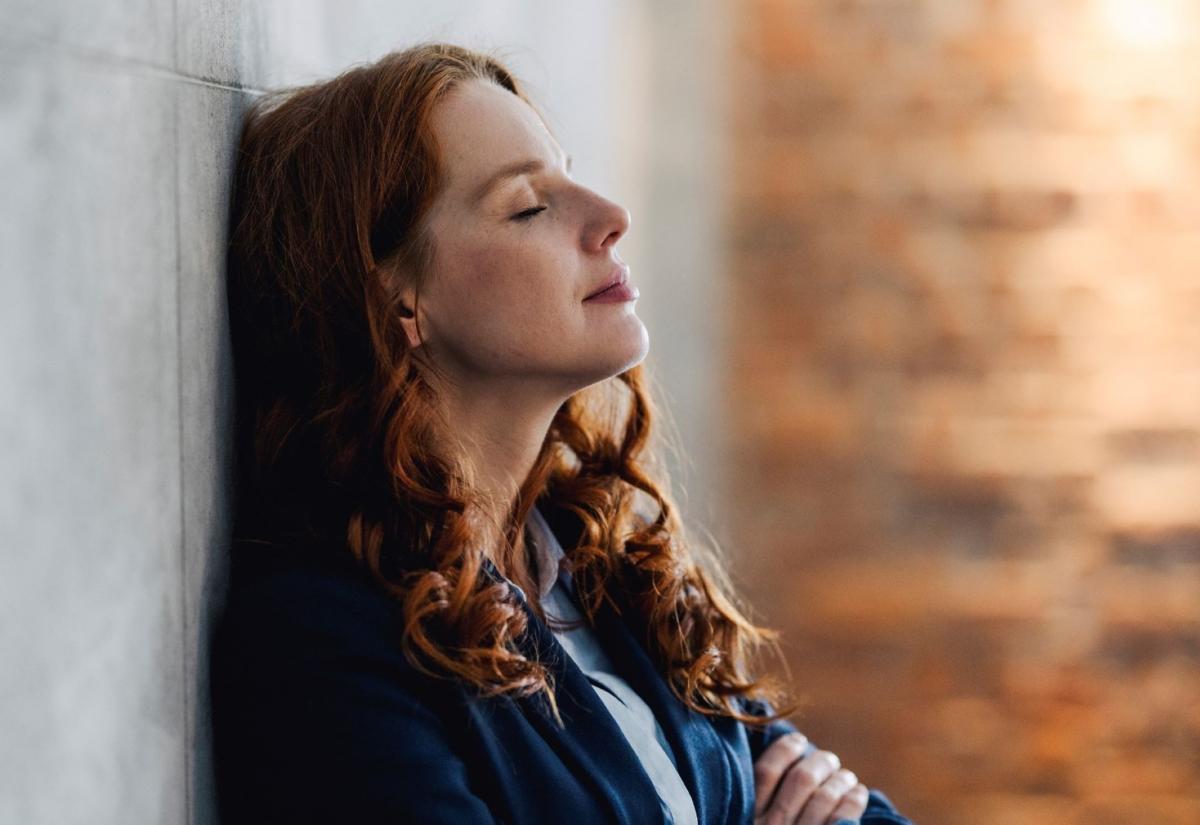
In a simple form of mindfulness, our coaching client sits quietly, often focusing on their breathing. They practice daily or weekly simply noticing their thoughts and feelings, not engaging with them or judging them.
If you would like to develop more mindfulness, here is a simple practice to start.
• Find a quiet space and sit comfortably.
• Close your eyes or soften your gaze.
• Focus on your breath, feeling the rise and fall of your chest or abdomen.
• When your mind wanders gently notice your thought and guide your attention back to your breath.
• Practice for just a few minutes each day, gradually increasing the duration as you become more comfortable.
Contact Steve to book a FREE initial coaching session 021 264 2506


🧩😏 Riddle me this, Neighbours…
I am an odd number. Take away a letter and I become even. What number am I?
Do you think you know the answer?
Want to stop seeing these in your newsfeed? No worries! Simply head here and click once on the Following button.

Scam Alert: Bank cold calls
ASB is warning customers about reports of cold calls from scammers claiming to be from ASB. These scammers are trying to obtain personal information, including usernames, dates of birth, and verification codes sent to your mobile phone.
🛡️ The "Caller Check" Test
If you get a call from someone claiming to be from ASB and you’re unsure, just ask them for a Caller Check. You will then be able to verify the call through the app.
Remember, banks will:
❌ Never ask for your banking passwords, PINs, or verification codes
❌ Never need to know your full credit card number – especially the CVC
❌ Never ask you to download software or remotely access your device
❌ Never ask you to purchase gift cards or transfer funds.
If you have received a phone call and think your account has been compromised, call ASB on 0800 ASB FRAUD (0800 272 372), or visit your local branch.

Some Choice News!
DOC is rolling out a new tool to help figure out what to tackle first when it comes to protecting our threatened species and the things putting them at risk.
Why does this matter? As Nikki Macdonald from The Post points out, we’re a country with around 4,400 threatened species. With limited time and funding, conservation has always meant making tough calls about what gets attention first.
For the first time, DOC has put real numbers around what it would take to do everything needed to properly safeguard our unique natural environment. The new BioInvest tool shows the scale of the challenge: 310,177 actions across 28,007 sites.
Now that we can see the full picture, it brings the big question into focus: how much do we, as Kiwis, truly value protecting nature — and what are we prepared to invest to make it happen?
We hope this brings a smile!

 Loading…