





Boost for beneficiaries from next April
More than 300,000 beneficiaries will see up to $17 extra every week by 2023, with a boost to benefits announced today in Budget 2019. The announcement will be a welcome surprise for welfare advocacy groups, as it is an unexpected addition to the Government's response to the welfare expert advisory group's report announced earlier this month.
Benefit levels are currently indexed to inflation, but Social Development Minister Carmel Sepuloni announced that they will be indexed to the average wage - as NZ superannuation is - from April next year. That will see increases for 339,000 individuals and families. The policy is expected to cost $320.2 million over four years, and is forecast to see a $10 to $17 weekly increase by 2023. The welfare group's report also recommended increasing actual benefit rates by up to 47 per cent, and while the levels will not be increased at the moment, Sepuloni is expected to take a paper to Cabinet by the end of the year to further respond to the recommendations. It is part of a wider programme to reduce child poverty, which has been a central focus for Prime Minister Jacinda Ardern and one of the key focuses of Budget 2019. There is a 10-year target to roughly halve child poverty, and Finance Minister Grant Robertson said the Government was currently largely on track to meet that target. Today's welfare announcement follows a recommendation from Children's Commissioner Andrew Becroft, who said it was the single best thing the Government could do to combat child poverty.
Sepuloni said the change was about fairness. "By taking this action, we are reversing a decades-long policy that has meant those on benefits have fallen further and further behind. "Pressures on low-income families were already being felt through cuts to housing, health and education support from the reforms of the late 1980s and early 1990s. These cuts resulted in poverty traps for many low-income New Zealanders. Many have never really recovered. "It is time for change."
The Government's response to the welfare expert advisory group earlier this month was largely considered underwhelming. The biggest tangible announcement at the time was allowing people on a benefit to earn more before they get penalised, and getting rid of the penalty for mothers who did not name the father of their child. In total, $535m had been set aside to implement changes to the welfare system. Budget 2019 is the first since the Government passed the Child Poverty Reduction Act last year, which requires governments to set targets to reduce child poverty across several measures. Some of them estimate about 250,000 children living in poverty. Last year's Families Package was touted as a key way to reduce child poverty, and changes to benefit-indexing is this year's major announcement. The whole-of-government approach to improve outcomes for children also includes $266m to help parents from having to pay donations to schools, and $197m to boost the Housing First programme.
===========================================================

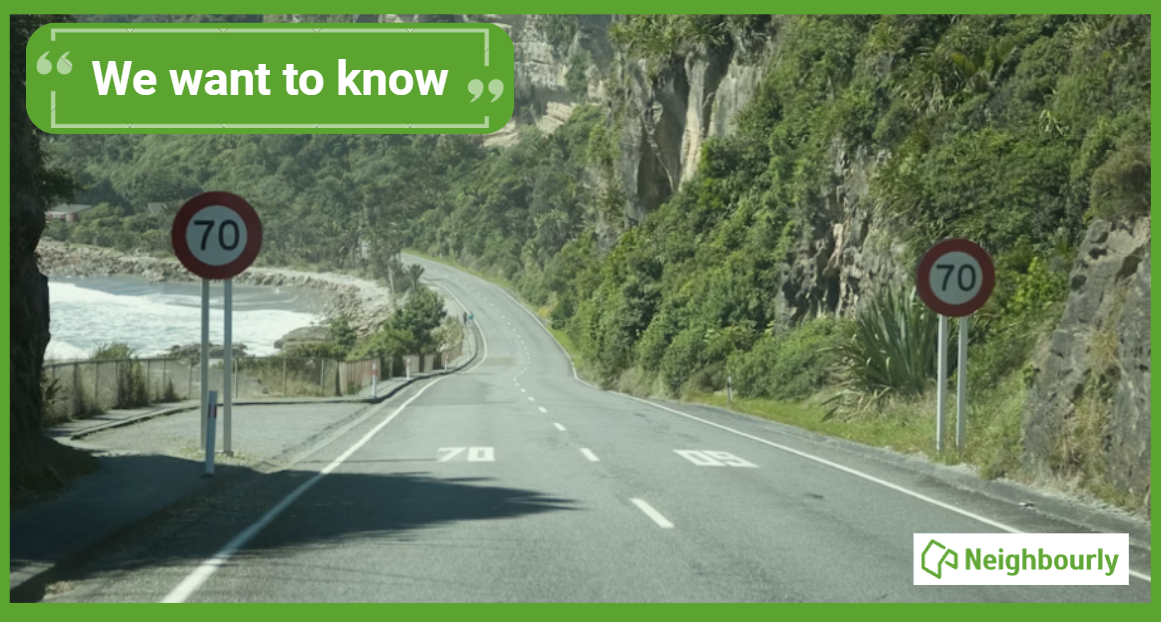
Poll: If we want to reduce speeding, what do you think actually changes driver behaviour? 🛻🚨🚓
In the Post's article on speeding penalties, the question is asked whether speeding fines are truly about road safety, or are they just a way to boost revenue for the Crown?
What do you think? Should speeding motorists receive speeding fines or demerit points?
-
36.3% The sting of a fine (Money talks!)
-
63.7% The threat of demerit points (Nobody wants to lose their license!)
Scam Alert: Bank cold calls
ASB is warning customers about reports of cold calls from scammers claiming to be from ASB. These scammers are trying to obtain personal information, including usernames, dates of birth, and verification codes sent to your mobile phone.
🛡️ The "Caller Check" Test
If you get a call from someone claiming to be from ASB and you’re unsure, just ask them for a Caller Check. You will then be able to verify the call through the app.
Remember, banks will:
❌ Never ask for your banking passwords, PINs, or verification codes
❌ Never need to know your full credit card number – especially the CVC
❌ Never ask you to download software or remotely access your device
❌ Never ask you to purchase gift cards or transfer funds.
If you have received a phone call and think your account has been compromised, call ASB on 0800 ASB FRAUD (0800 272 372), or visit your local branch.

Some Choice News!
DOC is rolling out a new tool to help figure out what to tackle first when it comes to protecting our threatened species and the things putting them at risk.
Why does this matter? As Nikki Macdonald from The Post points out, we’re a country with around 4,400 threatened species. With limited time and funding, conservation has always meant making tough calls about what gets attention first.
For the first time, DOC has put real numbers around what it would take to do everything needed to properly safeguard our unique natural environment. The new BioInvest tool shows the scale of the challenge: 310,177 actions across 28,007 sites.
Now that we can see the full picture, it brings the big question into focus: how much do we, as Kiwis, truly value protecting nature — and what are we prepared to invest to make it happen?
We hope this brings a smile!

 Loading…