



Wet Plate Portrait Sessions
Wet Plate Portrait Sessions with Adrian Cook
When: Saturday 31 May & Sunday 1 June, sessions from 10.30am - 3pm
Cost: $125pp. Bookings essential (entry to the house included)
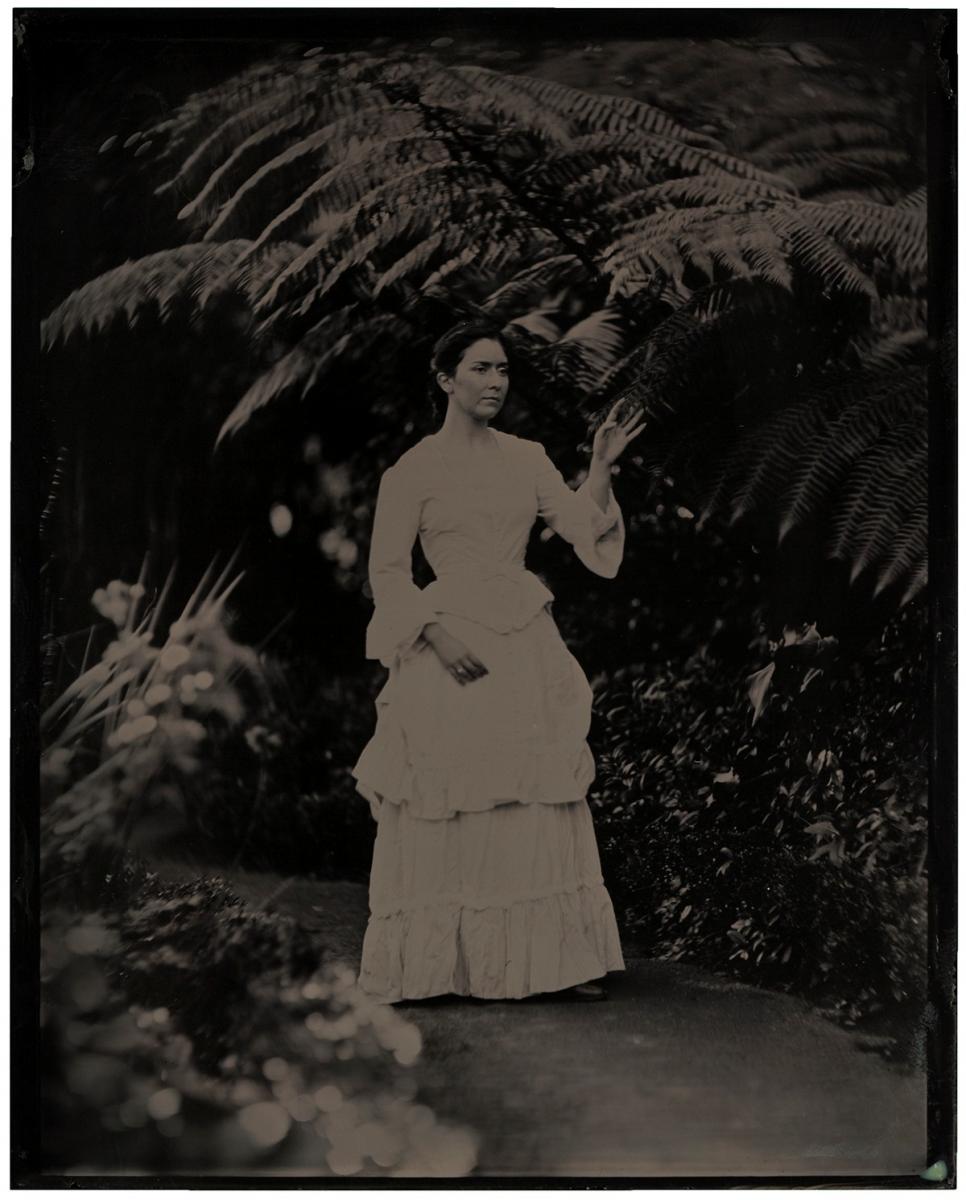
Photographer Adrian Cook crafts timeless portraits using the wet plate collodion process, a 19th century method of development that predates film photography. Each image is hand crafted, producing an original direct-positive image on a sheet of glass or aluminum plate.
Adrian will be on site at Highwic on Saturday 31 May & Sunday 1 June as part of the Auckland Photography Festival. Book in to get your portrait taken using this very special process.
The finished plates will be posted out to clients once varnished and cured, a week or so after their session. Sessions last 45 minutes, and are limited to 2 people per plate.
A selection of Adrian images will also be free to view on display in the Billard House, and bookings include entry to visit Highwic.

Poll: Are our Kiwi summer holidays helping us recharge, or holding the economy back? ☀️🥝
There’s growing debate about whether New Zealand’s extended Christmas break (and the slowdown that comes with it) affects productivity.
Tracy Watkins has weighed in ... now it’s your turn. What’s your take? 🤔
-
72.5% We work hard, we deserve a break!
-
16.4% Hmm, maybe?
-
11.1% Yes!
Secure your homes over summer
Police are reminding people to keep their homes secure during the summer months.
Inspector Glenda Barnaby, Christchurch Area Prevention manager, says daytime burglaries are just as common as nightime burglaries.
“Burglaries can be committed at any time of the day, and coming into warmer months there is more opportunity for thieves."
"Although a majority of burglaries involve forced entry through windows and doors, we are starting to see more incidents at insecure premises. Police deal with cases where burglaries are committed in broad daylight, sometimes even while the victim is at home. Good weather means open doors and windows, which makes homes more vulnerable to burglars.”
Inspector Barnaby says there’s a few things people can do to reduce their changes of a burglary being committed.
⚠️ If you’re going outside for gardening, relaxing in the sun, or working in the garage, take a moment to lock your doors and secure your windows first.
⚠️ Do the same at night when you go to bed - keep your doors and windows secure and close your curtains. Fitting window stays means you can get a breeze coming through, while keeping your windows secure.
⚠️ Get to know your neighbours - let them know if you’re going away and look out for one another.”
If you see any suspicious activity, people or vehicles in your neighbourhood, don't hesitate to contact Police.
If you witness or suspect any illegal activity, please call 111 if it is happening now, or make a report through 105 either online or over the phone, if it is after the fact.
What sectors are barely paying more than minimum wage?
While New Zealand might have about a dozen sectors paying at least a median $100,000 a year, there are almost as many paying barely more than the minimum wage.
Data compiled by Infometrics showed the median and mean salaries across industries throughout the country.
The data does not adjust for hours worked, and some of the workers may not be working a 40-hour week.
But it shows that on an annual basis, many sectors were not delivering incomes that were equal to the minimum wage.
The minimum wage of $23.50 an hour works out to just under $49,000 a year for a full-time, 40-hour a week worker.
Fuel retailing was paying a median of almost exactly the same amount.
Food retailing was paying less, at $45,030. Accommodation was slightly more, at $49,240, and food and beverage services was significantly less at $40,170.
Also within $10,000 of minimum wage were "other store-based retailing" at $53,220, sport and recreation services at $53,350 and personal and other services at $54,170.
Ministry of Business, Innovation and Employment data last year showed that about 141,900 people would be directly affected by the minimum wage rising to $23.50, indicating they were at that point being paid less than that amount per hour.
Infometrics principal economist Nick Brunsdon said skills and experience explained a lot of the variation in incomes.
"Industries that need a more skilled workforce generally pay more - because they can get a lot of value out of their workers, and workers need a good incentive to gain those skills - for example, medicine. Industries that take in a lot of lower qualified staff, like hospitality, can get away with paying a lot less, and still get plenty of job applicants.
"There are other factors like desirability - some jobs might not have a high skill requirement but are somewhat undesirable - say underground coal mining - so higher pay is necessary to find workers."
CTU policy director and economist Craig Enney said "hours adequacy" was a big problem in many sectors.
"You've got someone who's working 20 hours a week or 25 hours, on $25 an hour, so you're earning $500 a week. Is that enough? No.
"The challenge is often about the structure of employment in some of those sectors…In hospo, in retail, in catering, in a range of other sort of service-based industries, it's wanting more hours and not getting it."
The latest labour market statistics showed the the number of underutilised people in the country had risen to 403,000.
"These are people who want more hours, want more work and can't get it. And that may be a key reason why, you know, total incomes are so inadequate for some people. And that's also partially helping to explain why the headline unemployment rate is not rising as quickly as some people had predicted."
Jake Lilley, a spokesperson for financial mentor network Fincap, said it was something mentors dealt with.
"They also help people work out what is realistic in terms of taking on hours while balancing additional childcare costs. Our latest Voices reporting recorded 31 percent of those supported by a financial mentor as having a mix of income from salary or wages as well as income support.
"It is a real juggle to navigate finances when unpredictable sporadic hours of work need reporting to Work and Income in what can be impractical timeframes. An example might be someone being asked to stay on for a longer shift by their manager and being unable to contact Work and Income when that day is the deadline to report other income.
"Someone might also not know exactly what their pay will be until a payslip is provided after the reporting date. Such situations can often result in overpayment debts from Work and Income compounding the difficulty of administering already tight finances."
=======================================================
Loading…