






Auckland trampers help revive endangered kōkako population
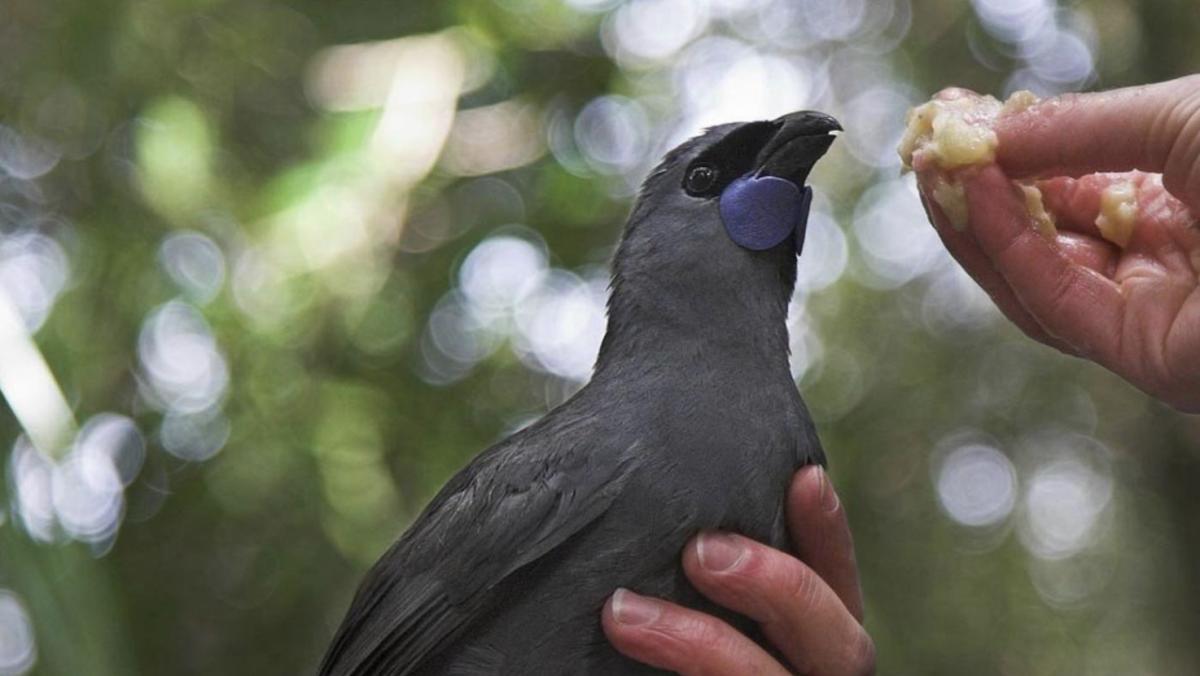
Trampers in Auckland have helped to revive dwindling kōkako numbers in a North Island forest, a study reveals.
A four-year survey of the kōkako bird found Pureora Forest Park is the first site nationally to have recovered to more than 1,000 individual birds, while in 1995 there were just seven pairs of kōkako in the area.
Volunteers from the Auckland Tramping Club (ATC) and Howick Tramping Club (HTC) have contributed to pest control operations in the Pureora Forest to protect the kōkako over the past 20 years.
Department of Conservation community ranger Kina Campbell said the two tramping clubs’ continued efforts demonstrate the importance of community contributions to conservation.
“To see the steady growth in the kōkako population is a great reflection in the value of the work being put in by members of these two tramping clubs,” he said.
Trampers carpool to Pureora during kōkako breeding season in spring and early summer, to reduce predators through setting and baiting traps and maintaining bait stations.
HTC spokeswoman Colleen Grayling said between 20 and 25 volunteers regularly give their time and effort, visiting the area up to six times per year.
“The reasons we volunteer are using our outdoor skills and gear for a worthwhile cause, enjoying the bush and birdlife, a chance to hear and see kōkako and the camaraderie of being with like-minded people,” she said.
“Hearing the calls of the increasing kōkako population and seeing the positive survey results drives the involvement. We have definitely had our challenges, but overall, our loyal volunteers’ hard work has paid dividends.”
HTC’s involvement with the kōkako efforts in Mangatutu goes back to 1997, and since 2003 the club has helped with applying for funding, purchasing supplies and administrative tasks to support the Department of Conservation (DOC). ATC has been working in the Tunawaea catchment since 2011.
As a result of the central North Island pest control work, the official status of the kōkako has moved from ‘Threatened’ to ‘At Risk – Recovering’.

Some Choice News!
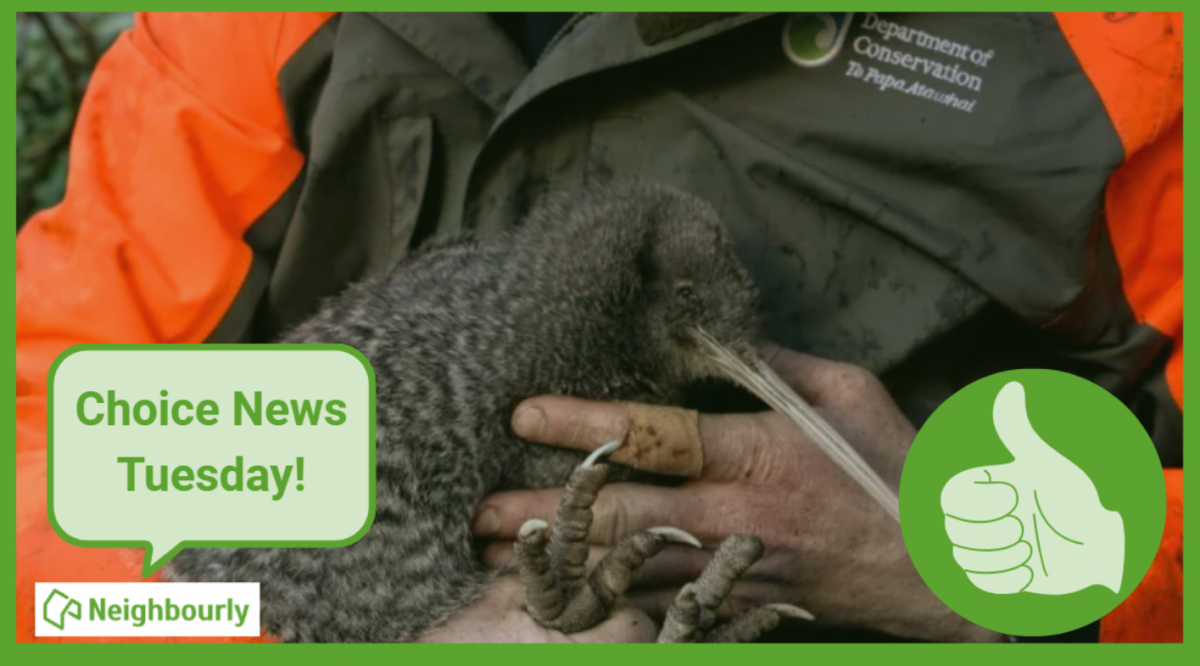
DOC is rolling out a new tool to help figure out what to tackle first when it comes to protecting our threatened species and the things putting them at risk.
Why does this matter? As Nikki Macdonald from The Post points out, we’re a country with around 4,400 threatened species. With limited time and funding, conservation has always meant making tough calls about what gets attention first.
For the first time, DOC has put real numbers around what it would take to do everything needed to properly safeguard our unique natural environment. The new BioInvest tool shows the scale of the challenge: 310,177 actions across 28,007 sites.
Now that we can see the full picture, it brings the big question into focus: how much do we, as Kiwis, truly value protecting nature — and what are we prepared to invest to make it happen?
We hope this brings a smile!

Poll: 🤖 What skills do you think give a CV the ultimate edge in a robot-filled workplace?
The Reserve Bank has shared some pretty blunt advice: there’s no such thing as a “safe” job anymore 🛟😑
Robots are stepping into repetitive roles in factories, plants and warehouses. AI is taking care of the admin tasks that once filled many mid-level office jobs.
We want to know: As the world evolves, what skills do you think give a CV the ultimate edge in a robot-filled workplace?
Want to read more? The Press has you covered!

-
52.6% Human-centred experience and communication
-
14.7% Critical thinking
-
29.9% Resilience and adaptability
-
2.7% Other - I will share below!

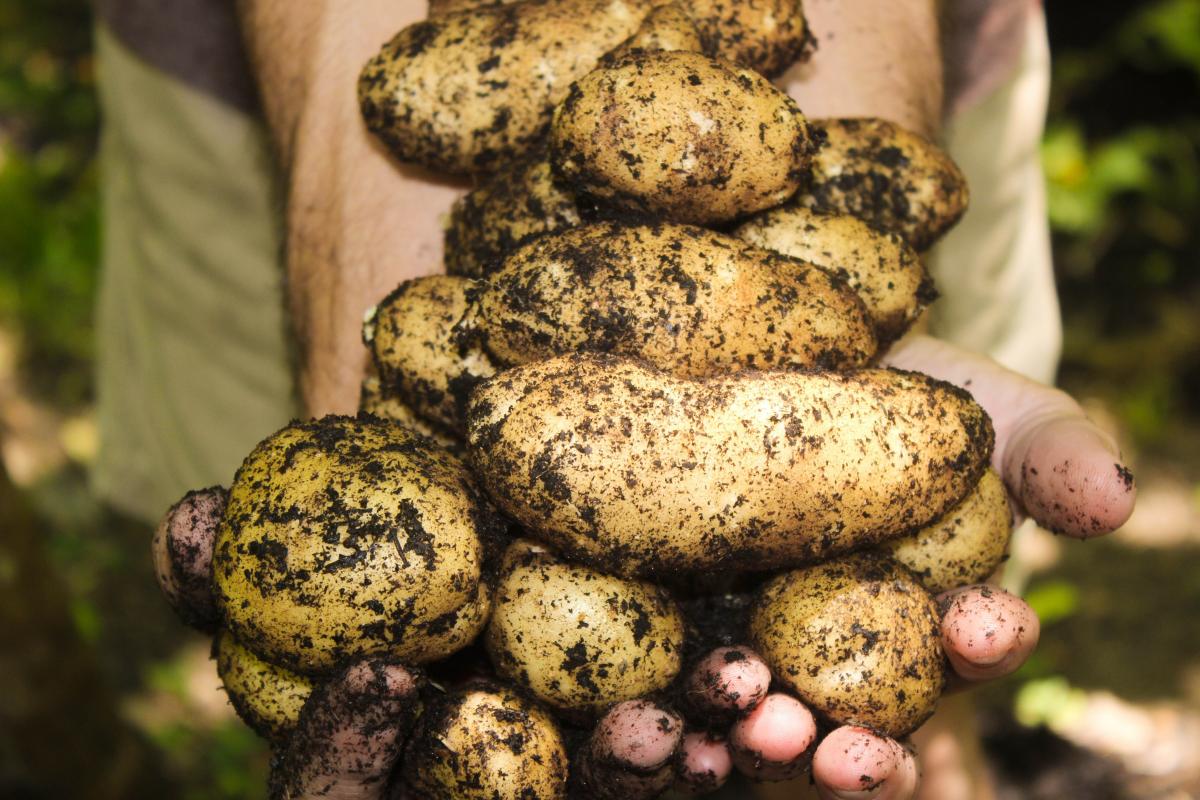
Share your favourite main crop potato recipe and win a copy of our mag!
Love potatoes? We will give away free copies of the May 2026 issue to readers whose potato recipes are used in our magazine. To be in the running, make sure you email your family's favourite way to enjoy potatoes: mailbox@nzgardener.co.nz, by March 1, 2026.
 Loading…