






Useful for both parents and teachers.
SOME USEFUL SPELLING/READING RULES
A vowel-consonant-last letter e makes the long vowel sound.
blade complete alone arrive amuse
When two vowels go walking, the first one usually does the talking .
(exceptions = oi as in join, ou as in south or soup, ie can make a long e sound as in niece, oo as in cook or spoon)
ai = long a sound chain raise faint
oa = long o sound boat coast croak
ea = long e sound reach speak dear
= short e sound bread instead weather
ie = long i sound (but not always – see note) died replied cried
Some other sounds.
aw makes an or sound raw hawk claw
ou makes an ow sound as in cow or an or sound as in your.
loud around thousand
your course pour
a single vowel before double consonants always makes a short sound.
swimming planning spelling cunning stopping
y is a vowel when it sounds like an i or an e.
cycle happy style
c or g followed by an i, e or y makes the soft sound.
giant recent stage century
the or sound can have different spellings.
or as in cord oar as in boar oor as in floor our as in pour aw as in straw
Plurals of words ending in ch, sh, x or s - add es.
church becomes churches flush becomes flushes box becomes boxes bus becomes buses
Plurals of words ending in y
- vowel before the y, just add s
- consonant before the y, the y changes to an i and add es
monkey becomes monkeys city becomes cities
Plurals of words ending in f or fe - sometimes the f changes to a v and you add es
half becomes halves shelf becomes shelves life becomes lives
Plurals of words ending in o - usually add es (there are some exceptions)
potato becomes potatoes mosquito becomes mosquitoes volcano becomes volcanoes
Single syllable words ending with a single vowel followed by a single consonant - the vowel makes a short sound - double the last letter when adding ed or ing.
(if the suffix being added starts with a consonant, this rule doesn’t apply - as in gladly)
chop chopped chopping
slap slapped slapping
step stepped stepping
stun stunned stunning
tip tipped tipping
Final e goes away when ing comes to stay (there are some exceptions).
shine becomes shining shake becomes shaking
Words ending in l - double the l when adding a suffix.
travel travelled travelling
jewel jewellery
Adding ing to words ending with y - the y is retained.
carry becomes carrying
hurry becomes hurrying
Adding ed or ing to verbs ending with c - add a k beforehand.
picnic picnicked picnicking
panic panicked panicking
Verbs ending in ie - change the ie to y before adding ing.
tie becomes tying
lie becomes lying
i before e except after c (there are some exceptions though as in seize or weight)
friend field piece niece
receive ceiling receipt
When you join two words together to make a contraction, the apostrophe goes where letters are left out.
is not = isn’t
could not = couldn’t
they have = they’ve
he will = he’ll
dis or mis as a prefix (only one s)
dishonest disappear misunderstood misrepresent
ful as a suffix (only one l)
wonderful awful dreadful

Poll: Should the government levy industries that contribute to financial hardship?
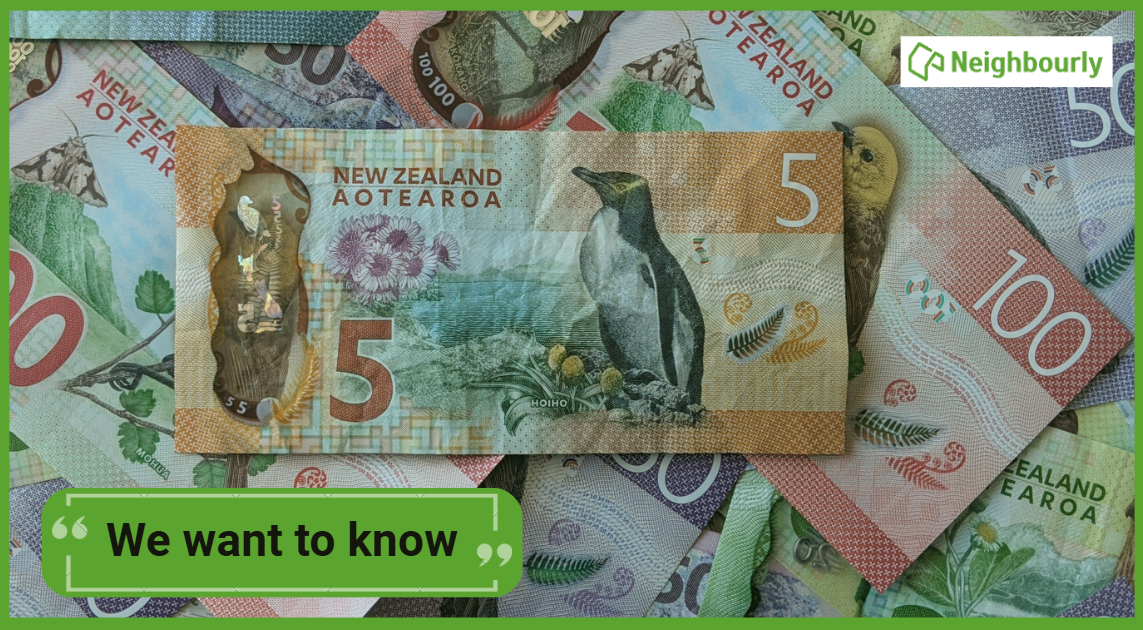
As reported in the Post, there’s a $30 million funding gap in financial mentoring. This has led to services closing and mentors stepping in unpaid just to keep helping people in need 🪙💰🪙
One proposed solution? Small levies on industries that profit from financial hardship — like banks, casinos, and similar companies.
So we want to hear what you think:
Should the government ask these industries to contribute?
-
0% Yes, supporting people is important!
-
0% No, individuals should take responsibility
-
0% ... It is complicated

A Neighbourly Riddle! Don’t Overthink It… Or Do?😜
Do you think you know the answer? Simply 'Like' this post if you know the answer and the big reveal will be posted in the comments at 2pm on the day!
If you multiply this number by any other number, the answer will always be the same. What number is this?
Poll: As a customer, what do you think about automation?
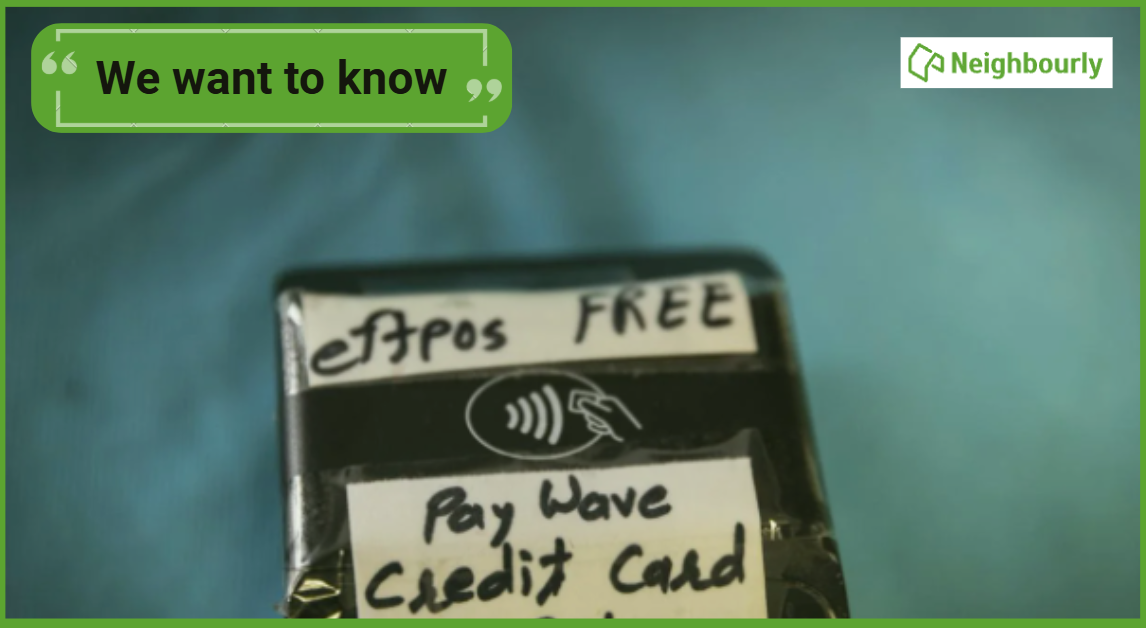
The Press investigates the growing reliance on your unpaid labour.
Automation (or the “unpaid shift”) is often described as efficient ... but it tends to benefit employers more than consumers.
We want to know: What do you think about automation?
Are you for, or against?
-
9.6% For. Self-service is less frustrating and convenient.
-
43.4% I want to be able to choose.
-
47% Against. I want to deal with people.
 Loading…