






Why does New Zealand take such a long summer holiday break?
Most Kiwis are counting down the days until their summer holiday - whether they're heading off camping, heading to the bach or just taking a few lazy days at the beach.
But has it always been this way?
Richard Wolfe is a cultural historian and the author of more than 40 books about Aotearoa.
"Leaving town over Xmas and January has become a key part of the local cultural identity," Wolfe said.
The New Zealand History website, operated by the Ministry for Culture and Heritage, calls the summer lull an "end-of-year prize for being a New Zealander".
However, not everyone is 100 percent on board with our somewhat leisurely summer pause.
A post on LinkedIn by business adviser Toss Grumley went viral in the past week, as Grumley wrote that he was "baffled every year by New Zealand's intense Christmas shut down".
"In what world as an economy and country are we operating in an environment where no business discussion can happen for a period of ten weeks," he asked. His question sparked debates on news and social media sites.
On NewsTalk ZB on Monday, Prime Minister Christopher Luxon said he had spent much of his career working overseas where the long holiday break wasn't the same.
"In the US you maybe get two weeks' annual leave holiday and Christmas is a couple of days off and you're back at it again.
"I've always been used to going back to work on the 3rd or 4th of January," he said.
Auckland Business Chamber head Simon Bridges told Stuff : "There is a view that New Zealand just shuts down not just for Christmas and New Year, but in many cases, all the way through to March."
How did our long summer break become such a Kiwi institution, anyway?
===================================================
Wolfe said one of the big factors behind our long summer break is, well, the summer weather. Our Australian cousins benefit from that, too.
"I suggest that what's behind the 'summer break' is, fairly obviously, the local (antipodean) climate," he said.
Christmas in the Northern Hemisphere is in the middle of winter which isn't quite as conducive to long camping holidays and days at the beach.
And despite the image of an entire country putting on the brakes, not everyone in New Zealand actually takes off the entire summer until March.
"We want to shop, go to the movies or watch TV, and we expect everything to be available, so hospitals, power suppliers, the police and many other essential services still run 24/7," NZ History noted. "And if we live on a farm, then summer means more work, not holidays."
We also roll Christmas and New Year together with our "summer holiday," which places like America and Europe tend to do in August. There are also only a couple of public holidays between June and Christmas like Matariki and Labour Day.
One commenter wrote on Grumley's LinkedIn post that "people are exhausted by the end of the year" here in New Zealand, "so we shut down for a solid month".
Changing laws, changing transport
============================
Holidays as we think of them now are a fairly modern invention.
According to Te Ara the online encyclopedia of New Zealand, originally the two statutory holidays for Christmas and New Year's at the height of summer "provided a compelling reason" to take a break.
As far back as the 1860s even gold miners would take a break then, as Coromandel goldfields granted two weeks' special protections over claims.
The long holiday began to evolve over the 20th century thanks to tightening labour laws and the growth of wider travel with the introduction of the automobile and trains.
"Another important factor may have been the introduction of the Annual Holidays Act in 1944, making a two-week paid holiday a legal entitlement for full-time employers," Wolfe said.
Compared to some countries, Kiwis get a generous amount of paid leave time.
The latest version of the Holidays Act from 2003 entitles employees to at least four weeks of paid annual leave after 12 months of continuous work.
That's quite a contrast to, say, America, where there is no legally mandated paid holiday time.
New Zealand's geography and compact size meant the beach was the most likely place for labourers and their families to go.
"Because no part of the country is more than 120 km from the nearest coastline, the beach and associated baches became popular destinations," Wolfe said.
"I would suggest that the 'summer break' was established in the period of post-war prosperity in the 1950s, with the continuing growth in the number of privately owned cars, thereby increasing personal and family mobility."
But does a break really impact our economy?
====================================
In his opinion piece, Grumley claimed the long holiday affects New Zealand's productivity.
Not everyone agrees.
"Work less, live more," one commenter wrote in response to his post.
Fleur Fitzsimons, national secretary of the union Public Service Association, said holidays are important to workers.
"New Zealand has a culture of long hours, workers need more holidays to recharge, reconnect with their families and get ready for the working year ahead."
The government has announced changes to the Holidays Act, which would see both annual and sick leave accumulate based on hours worked. Unions and opposition parties have said they fear that could trample workers' rights and entitlements.
Fitzsimons said the government has been taking rights away from workers by cancelling pay equity and introducing changes to the Employment Relations Act, calling it "out of touch" with the needs of working New Zealanders.
"If the government is serious about improving productivity, cutting holidays is the wrong approach.
"We have a mental health crisis in New Zealand - the last thing we should be doing is talking about fewer holidays."
Wolfe said that the current summer break may help workers recharge their energy for the year ahead.
"A shorter break might in fact have the opposite effect - creating disgruntlement among workers who feel they're being short-changed," Wolfe said.
"And as climate change kicks in and the world gets warmer, perhaps the summer break will become vital for maintaining the health and welfare of New Zealanders."
======================================================

Poll: Are you still heading to your local for your caffeine fix, or has the $$ changed your habits? ☕
Auckland has a thriving cafe culture, but with costs climbing, that culture is under pressure. We’ve seen the headlines about recent closures across the country, and it’s a tough pill to swallow along with a $6+ coffee.
We all want our favourite spots to stay open, but we also have to balance our own budgets ⚖️
We want to know: How are you handling the "coffee math" in 2026? Are you still heading to your local for a chat and a caffeine fix, or has the cost of living changed your habits?
Keen to read more about "coffee math"? The Post has you covered.

-
42% I avoid spending money on coffee
-
41.3% I still indulge at my local cafe
-
16.7% Irrelevant - coffee is not for me
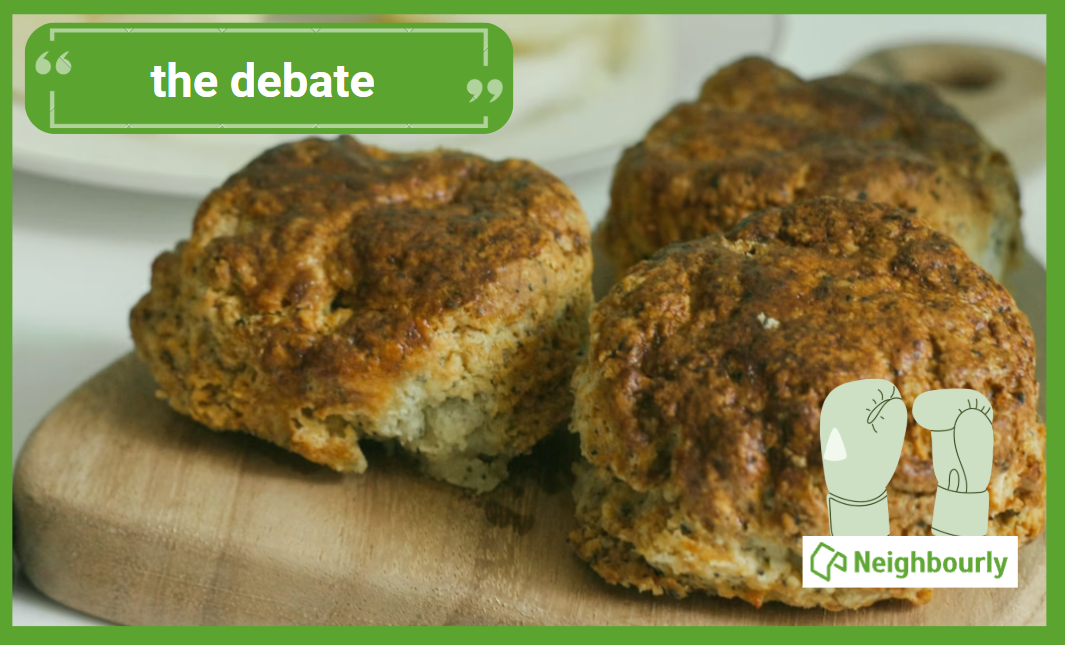
Poll: Does a savoury scone require cheese on top, or folded inside?
Help settle the great kiwi debate ... cheese on top, or folded inside?
-
76.1% Inside!
-
23.9% On top!
Got more greens than you know what to do with? 🥦🌱🥕
Whether it’s a courgette takeover or a feijoa frenzy, don’t let those garden gems go to waste!
Our suggestion to you: Did you know you can grate and freeze excess courgettes to use in chocolate cake later? It sounds a bit dodgy, but it makes the cake incredibly moist ... and hey, it counts as a serving of veg, right? 🍫
What’s your go-to move for a bumper harvest? Drop your best "glut" recipes or preservation hacks in the comments below! 👇

 Loading…