





7 Silent Blood Clot Symptoms to Watch Out For
What is a blood clot?
=================
Blood clots normally form after an injury to protect your body from losing too much blood, but they can also develop in an artery or vein even if there is no obvious injury. Complications can occur if it doesn't dissolve naturally or if you don't get treatment. The signs and symptoms of a blood clot differ depending on where it is—in the heart, brain, arm, leg, lung, or abdomen. Some of these symptoms are common in other health issues, so always consult with your doctor, and keep in mind that it's not uncommon for clots to cause no symptoms at all. That being said, it's important to know the silent signs and symptoms of blood clots to watch out for.
Leg cramps
==========
People who have experienced a blood clot in the leg say they've felt cramps or pain similar to a charley horse. A blood clot that forms in a major vein, often in the lower limbs, is called a deep vein thrombosis (DVT), and it can cause leg aches, pain, and cramping. The clots can develop slowly or appear suddenly, specifically after a prolonged time in a sitting or cramped position, like on a long-distance flight.
"Ignoring a blood clot in the leg for even a day can end up in a pulmonary embolism, which is much more dangerous," according to Kristine Arthur, MD, an internist at Orange Coast Memorial Medical Center in Fountain Valley, California. A pulmonary embolism can occur if a portion of the clot in the legs breaks off and travels to the lungs. About 1 in 3 people with DVT will have a pulmonary embolism, which is a potentially life-threatening medical emergency.
Back pain
========
Back pain might not seem like one of the likely blood clot symptoms, but it can be an indication that a blood clot is present in the pelvic area or in the inferior vena cava, which is the major abdominal vein. According to the American College of Cardiology, 2.6 to 4% of people with DVT have inferior vena cava thrombosis. Although blood clot-related back pain seems to be one of the more rare symptoms, these types of clots can result in permanent damage if not treated, as they cut off blood to the extremities. If you experience this along with other blood clot symptoms, contact your doctor.
Discolored skin
==============
A blood clot disrupts normal blood flow, and it can result in discolored skin. If an area of one leg appears to be red or has a different color in any way, a blood clot is one possible cause. This symptom should be checked by your doctor, according to the Centers for Disease Control and Prevention (CDC).
Skin is warm to the touch
====================
Another common blood clot symptom is a variation in temperature where the clot is suspected. Much like the discoloration, this is caused by a disruption of blood flow. If this temperature variation continues and you have a history of increased risk of blood clots, call your doctor. Usually, these three symptoms appear together: Warm skin, leg cramps, and discolored skin.
Swelling
=======
Swelling in the arm, hand, foot, ankle, or leg is one of the most common signs of a blood clot, according to the CDC. Blood clots are only one of the reasons why a body part may suddenly feel swollen.
Excessive sweating
================
When paired with other symptoms, excessive sweating can be one of the blood clot symptoms you shouldn't ignore, located in either the lung or heart. These are very serious types of blood clots that should be treated immediately as a medical emergency.
Shortness of breath
=================
A pulmonary embolism, when a blood clot blocks a vessel in the lung, can cause symptoms like shortness of breath, difficulty breathing, and chest pain. Another lesser-known symptom of a blood clot in the lungs is back pain. In some cases, people with a pulmonary embolism may have a drop in blood pressure and pass out, or they may even cough up blood.
These symptoms are a medical emergency, but any clot symptoms should be taken seriously and investigated by your doctor. In addition to prolonged sitting, other risk factors for DVT and clot formation are injuries, including fractures and major surgery; chronic conditions, like heart and lung disease; confinement to a bed; pregnancy; and hormone use, such as birth control pills.
=====================================================

Poll: Are you still heading to your local for your caffeine fix, or has the $$ changed your habits? ☕
Auckland has a thriving cafe culture, but with costs climbing, that culture is under pressure. We’ve seen the headlines about recent closures across the country, and it’s a tough pill to swallow along with a $6+ coffee.
We all want our favourite spots to stay open, but we also have to balance our own budgets ⚖️
We want to know: How are you handling the "coffee math" in 2026? Are you still heading to your local for a chat and a caffeine fix, or has the cost of living changed your habits?
Keen to read more about "coffee math"? The Post has you covered.

-
41.9% I avoid spending money on coffee
-
41.2% I still indulge at my local cafe
-
16.9% Irrelevant - coffee is not for me
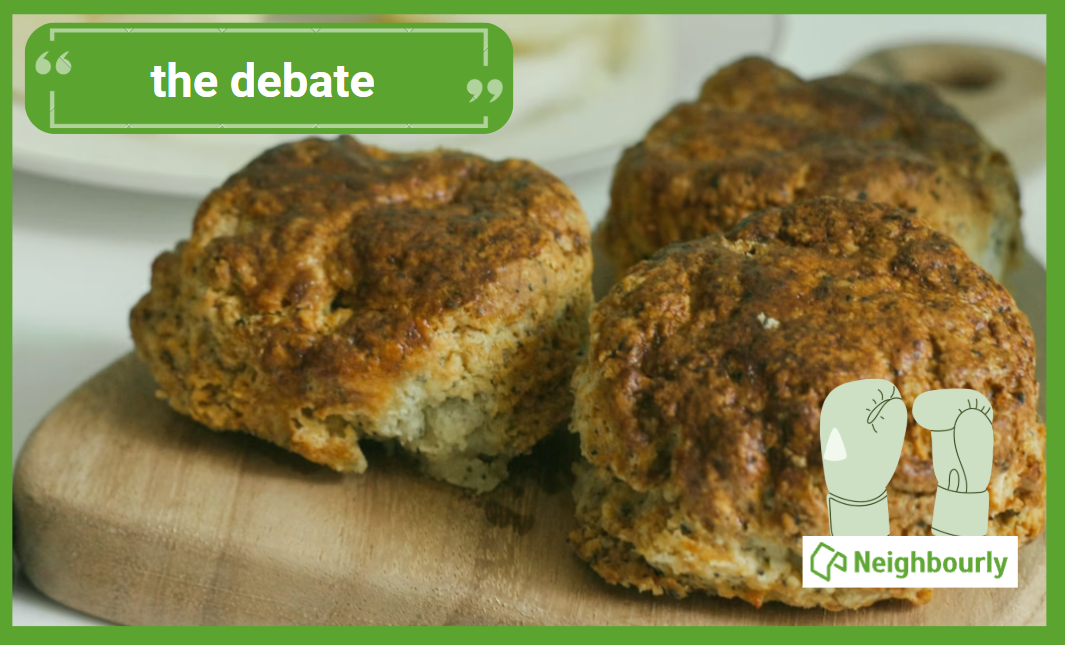
Poll: Does a savoury scone require cheese on top, or folded inside?
Help settle the great kiwi debate ... cheese on top, or folded inside?
-
76% Inside!
-
24% On top!
Got more greens than you know what to do with? 🥦🌱🥕
Whether it’s a courgette takeover or a feijoa frenzy, don’t let those garden gems go to waste!
Our suggestion to you: Did you know you can grate and freeze excess courgettes to use in chocolate cake later? It sounds a bit dodgy, but it makes the cake incredibly moist ... and hey, it counts as a serving of veg, right? 🍫
What’s your go-to move for a bumper harvest? Drop your best "glut" recipes or preservation hacks in the comments below! 👇

 Loading…