






How to immediately impress anyone: Simple behaviour tips
Impress others with these powerful tips
=================================
Do you want to hold a positive aura and captivate people around? Mastering the art of influence is crucial for anyone looking to make an impact, be it at work, or social events. Engaging people around you well turns simple chats into memorable moments. Using specific techniques can boost your presence and help you connect more deeply. Following are powerful moves to help you influence and win over anybody:
Power of your body language
========================
Real power isn't about where you stand—it's about how you carry yourself. Confident individuals attract attention without needing to seek it out actively. Your physical presence matters; positioning yourself where conversations naturally occur can enhance how others perceive you. Move with purpose; fidgeting can diminish your presence. For instance, at social gatherings or meetings, stand or sit where you can engage easily with others rather than hiding in corners. This deliberate positioning helps project confidence and invites interaction from those around you.
Pause before you speak
====================
Pausing before you speak makes you look more powerful. A strategic pause can significantly boost your authority. Quick replies may come off as hasty, while a moment of silence conveys confidence. For example, if someone questions your opinion on a proposed marketing strategy, take a couple of seconds to collect your thoughts before responding. This not only builds anticipation but also shows that you value the conversation. In a meeting, if someone interrupts you, maintain eye contact and wait a moment before replying calmly. This approach commands respect and demonstrates that you are in control of the dialogue.
Build bonds with thoughtful interaction
===============================
People trust those who make them feel seen. Building genuine connections relies on active listening rather than forced interactions. Instead of name-dropping, acknowledge someone's insight by saying, "I appreciated your thoughts on the recent sales report." Simple affirmations like "That was an excellent idea" or summarising their points can foster trust and connection. For example, in a networking event, instead of introducing yourself with big names, focus on what the other person is saying and respond thoughtfully. This approach makes others feel valued and encourages deeper conversations.
Flip the power dynamic in conversations
=================================
The greatest communicators get others to talk more while remaining in charge. Instead of taking over conversations, steer them by asking open-ended questions. Rather than posing "Why do you like this kind of music?" pose "What made you a fan of pop-music?" The small rephrasing inspires participation while permitting you to still have control over the conversation. For example, when discussing hobbies, rather than presenting your hobbies as statements, ask others and respond to their feedback. This demonstrates that you consider their opinion and maintains the natural flow of the conversation.
Remember small details about others
==============================
Most of the people trust individuals who recall minor details. Mentioning previous conversations reveals social intelligence and makes others valued. For example, upon running into the same person later, say something you discussed in your previous conversation: "When we last met, you had mentioned your holidays in Spain coming up—how did it go?" Making notes mentally in discussions solidifies bonding and shows the other person you value what is being said. During informal meetups such as coffee breaks or lunch appointments, remembering small details can become a major help in making an impression on the other person.
Stay calm and composed under pressure
=================================
Nothing unsettles people more than someone who stays calm under pressure. Composure naturally draws respect from others. Avoid reacting impulsively, instead, respond with intention. Lowering your voice during tense moments can help regain focus from others. If something unexpected occurs in a meeting, express gratitude for patience rather than apologising excessively. For example, if the video projector malfunctions during a presentation, calmly thank the audience for their understanding instead of dwelling on mistakes. This approach helps maintain a positive atmosphere and demonstrates your ability to handle pressure.
Genuinely appreciate and thank people
===============================
Genuine appreciation builds stronger connections than fake politeness. Effectively expressing gratitude strengthens relationships. Instead of saying "Sorry for the delay," try "Thank you for your patience." Recognising contributions authentically reinforces respect without sounding insincere. For example, after a team project, acknowledge everyone’s efforts by saying something like, "I truly appreciate everyone's hard work on this complex project." This kind of recognition fosters goodwill and encourages collaboration in future projects.
===========================================

Poll: Are you still heading to your local for your caffeine fix, or has the $$ changed your habits? ☕
Auckland has a thriving cafe culture, but with costs climbing, that culture is under pressure. We’ve seen the headlines about recent closures across the country, and it’s a tough pill to swallow along with a $6+ coffee.
We all want our favourite spots to stay open, but we also have to balance our own budgets ⚖️
We want to know: How are you handling the "coffee math" in 2026? Are you still heading to your local for a chat and a caffeine fix, or has the cost of living changed your habits?
Keen to read more about "coffee math"? The Post has you covered.

-
42.1% I avoid spending money on coffee
-
41.7% I still indulge at my local cafe
-
16.2% Irrelevant - coffee is not for me
Got more greens than you know what to do with? 🥦🌱🥕
Whether it’s a courgette takeover or a feijoa frenzy, don’t let those garden gems go to waste!
Our suggestion to you: Did you know you can grate and freeze excess courgettes to use in chocolate cake later? It sounds a bit dodgy, but it makes the cake incredibly moist ... and hey, it counts as a serving of veg, right? 🍫
What’s your go-to move for a bumper harvest? Drop your best "glut" recipes or preservation hacks in the comments below! 👇
Poll: Does a savoury scone require cheese on top, or folded inside?
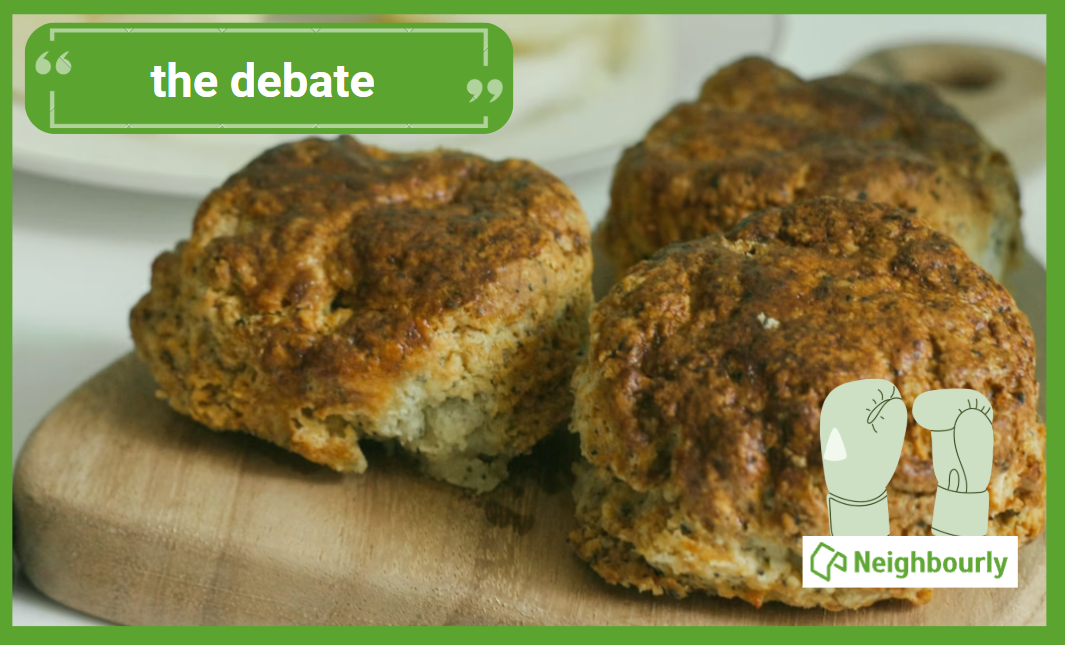
Help settle the great kiwi debate ... cheese on top, or folded inside?
-
76.7% Inside!
-
23.3% On top!
 Loading…