






Te Whakapono o Tūmanako - Day 30
The Faith of Tūmanako
In a small village nestled between the mountains of Aotearoa and the vast ocean, lived a young Māori man named Tūmanako. His name meant “hope,” and his kuia (grandmother) often reminded him, “Tūmanako, e moko, your name carries a promise to the world. You must learn to walk the tides of life with grace.”
One summer morning, Tūmanako’s world was upturned. A fierce storm rolled in from the sea, its winds howling like angry taniwha. His whānau’s (family’s) marae was badly damaged, and the crops they relied on were swept away. Despair gripped the village. Many cried to Tangaroa, the god of the sea, asking why such calamity had befallen them.
Tūmanako, too, felt the sting of loss. “Why, Kuia?” he asked his grandmother. “Why does life bring so much suffering?”
His kuia sat beside him, her face weathered with years of wisdom. She handed him a tī kouka (cabbage tree) leaf. “Take this, moko. Bend it.”
Tūmanako did as he was told. The leaf bent but did not break.
“Now, hold it tighter and twist it harder,” she said.
He twisted until the leaf sprung back and slapped his hand, leaving a sting. His kuia smiled gently. “This leaf is like life. It bends under the weight of the wind but refuses to break. Yet when we fight against it, we feel pain.”
Tūmanako listened but wasn’t sure he understood. His kuia continued, “Life is a cycle, moko, just like the seasons. There will be days of sunshine and warmth, and days when the rain soaks the earth. Both are needed for growth. To fight against the storm is to forget the blessings it will bring in its wake.”
In the following weeks, Tūmanako began to embrace his kuia’s wisdom. Instead of mourning the storm, he worked with the village to repair the marae. They sang waiata (songs) of strength and unity as they planted new crops. Tūmanako noticed the soil, enriched by the storm’s floodwaters, yielded more bountiful kumara than before.
Years later, Tūmanako became a respected rangatira (leader). When challenges arose, he would remind his people of the tī kouka leaf. “We are like this leaf,” he would say, holding it high. “Life’s storms will come, but we will bend, not break. Let us move with the winds, not against them.”
The people of the village came to cherish this teaching. They learned to greet hardships with calm hearts and open minds, trusting that every storm would eventually bring new growth.
And so, the wisdom of Tūmanako and his kuia lived on, teaching the generations that to accept life’s ups and downs with equanimity is to find inner peace and wisdom.
The moral of the story is:
Resilience comes from embracing life’s challenges with acceptance and grace. Just as the storm nourishes the earth, adversity can lead to growth and wisdom when met with an open heart.

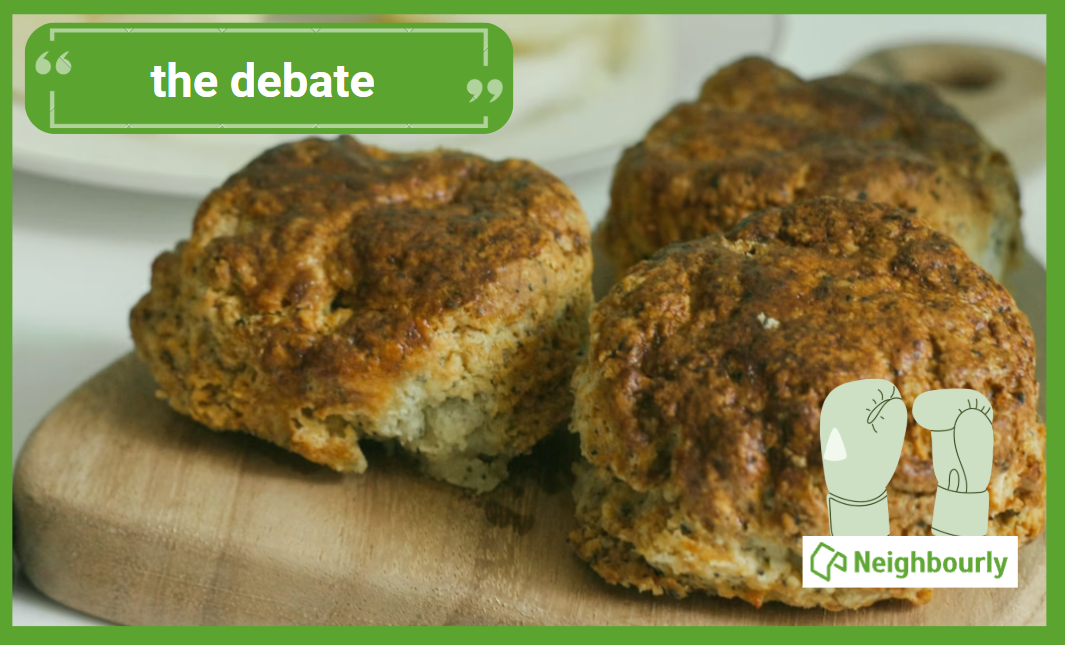
Poll: Does a savoury scone require cheese on top, or folded inside?
Help settle the great kiwi debate ... cheese on top, or folded inside?
-
76.6% Inside!
-
23.4% On top!
Poll: Are you still heading to your local for your caffeine fix, or has the $$ changed your habits? ☕
Auckland has a thriving cafe culture, but with costs climbing, that culture is under pressure. We’ve seen the headlines about recent closures across the country, and it’s a tough pill to swallow along with a $6+ coffee.
We all want our favourite spots to stay open, but we also have to balance our own budgets ⚖️
We want to know: How are you handling the "coffee math" in 2026? Are you still heading to your local for a chat and a caffeine fix, or has the cost of living changed your habits?
Keen to read more about "coffee math"? The Post has you covered.

-
41.7% I avoid spending money on coffee
-
42% I still indulge at my local cafe
-
16.3% Irrelevant - coffee is not for me
Got more greens than you know what to do with? 🥦🌱🥕
Whether it’s a courgette takeover or a feijoa frenzy, don’t let those garden gems go to waste!
Our suggestion to you: Did you know you can grate and freeze excess courgettes to use in chocolate cake later? It sounds a bit dodgy, but it makes the cake incredibly moist ... and hey, it counts as a serving of veg, right? 🍫
What’s your go-to move for a bumper harvest? Drop your best "glut" recipes or preservation hacks in the comments below! 👇
 Loading…