





1871 days ago

Fun Indoor Rainy Games To Play

Andrea from Eden Terrace

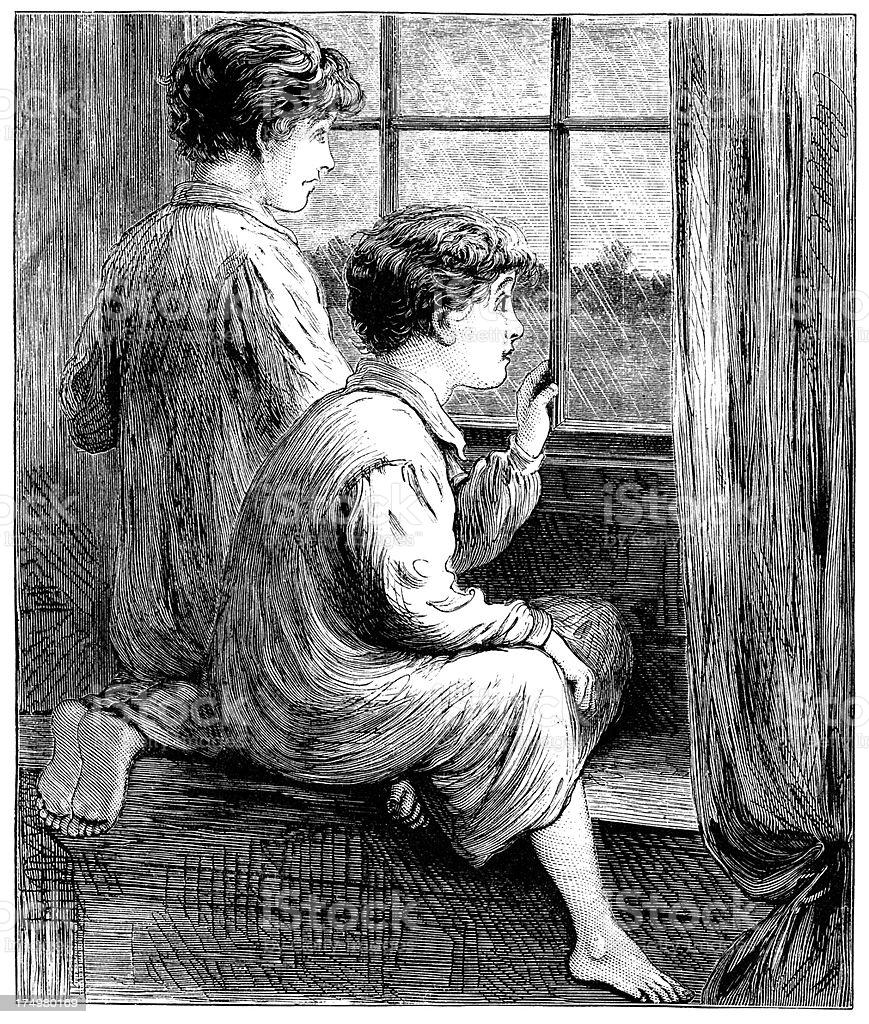
Oh oh, it's raining...now to have some fun!
Arm & Leg Tag is the classic chase game with a twist: every player is “it” and the goal is to tag each person’s arms and legs. When a player’s arm or leg is tagged, they can no longer use it, so they’ll have to put their arms behind their back or hop on one leg. Tagging any other part of their body is allowed, but it doesn’t count towards anything. When all four limbs have been tagged, players are out of the game, and the last player standing with at least one arm or leg wins. Arm & Leg Tag is easy to play indoors, just watch out for furniture or sharp edges.

In As Seen on TV, one player (usually the parent) serves as the “TV” and acts out what’s on the “screen.” Give one child the remote (real or pretend), and ask them to flip through the channels until they land on what they want to watch. Once they pick their favorite program, which could be anything from a cartoon to a sports game to a commercial, they’ll announce their choice and the TV will have to act it out. As the TV, you can use any props at your disposal, but you have to be every character on the show. After 10-15 seconds, ask the player with the remote to change the channel and pick a new show for the TV to act out. Once kids get the idea of the game, they can swap in to play the TV.

Story Cards lets you craft an original story using homemade picture cards. Cut each sheet of 8.5″ x 11″ paper into 10 playing cards and draw a single item on one side of each. The items can be any person, place, or thing, but it helps to make them specific and personal. Shuffle up the deck and begin picking cards from the top to tell a story. The stories don’t have to make sense, and it might be challenging to find connections between cards, but that’s part of the improvisational fun.
Image
More messages from your neighbours
4 days ago

Neighbourhood Challenge: Who Can Crack This One? ⛓️‍💥❔

The Riddler from The Neighbourly Riddler

What has a head but no brain?

Do you think you know the answer? Simply 'Like' this post if you know the answer and the big reveal will be posted in the comments at 2pm on the day!

Want to stop seeing these in your newsfeed?
Head here and hover on the Following button on the top right of the page (and it will show Unfollow) and then click it. If it is giving you the option to Follow, then you've successfully unfollowed the Riddles page.

Image
1 day ago

Poll: 🗑️ Would you be keen to switch to a fortnightly rubbish collection, or do you prefer things as they are?

The Team from Neighbourly.co.nz

Aucklanders, our weekly rubbish collections are staying after councillors voted to scrap a proposed trial of fortnightly pick-ups.

We want to hear from you: would you be keen to switch to a fortnightly rubbish collection, or do you prefer things as they are?

Keen for the details? Read up about the scrapped collection trial here.

Image
🗑️ Would you be keen to switch to a fortnightly rubbish collection, or do you prefer things as they are?
  • 83.9% Same!
    83.9% Complete
  • 16.1% Would have liked to try something different
    16.1% Complete
223 votes
10 hours ago

7 tips for buying your Christmas ham

Brian from Mount Roskill

It’s the centerpiece of the Christmas table, so when you’re peering into the supermarket chiller or ordering from the butcher, choosing the perfect ham can feel like a daunting task.
Here are some things to keep in mind when choosing one to bring home with you. 
1. What type of ham to buy
You’ve got some decisions to make when it comes to the type of Christmas ham you’re going to buy. 
Cooked on the bone (COB) ham is the traditional Christmas ham. If you’re buying a half ham, you’ll have the choice of the shank or fillet end. The shank is the part with the bone sticking out that gives the ham that traditional look. The fillet end is the round part that gives more meat. If you’re deciding whether to get a whole ham or half, consider how quickly you’ll be able to eat it all. You only have about a week to eat an opened ham before it will go off, so it can be a good idea to get two halves. That way you can eat one half during the week of Christmas and save the other for January.
Champagne ham has had the bone removed and only has the hock left on, so it’s easier to carve.
Pressed ham – also known as continental ham – has had the bones removed and has been pressed, so it’s also easy to carve.
2. Check the pork percentage 
The label on a packaged ham will say what percentage is actually meat. Hams are injected with brine, to keep them moist, and additives. The brine injection level for manufactured hams is usually between 10% and 35% of the ham's weight. A manufacturer that wants to produce a cheap ham will add more water to bump up the weight.
3. Know how to tell if it’s New Zealand pork
By far, most of the hams bought in New Zealand this Christmas will be from pigs reared overseas. New Zealand imports pork from about 25 countries. It’s frustrating for New Zealand pig farmers because this ham can come from farms that don’t have to meet the same animal welfare standards as we have in this country. As a result, overseas meat is often cheaper.
If buying New Zealand pork is important to you, look for: 
words on the packaging like ‘New Zealand pork’ or ‘born and raised in New Zealand’
4. Have a good look at the ham
If you’re going to be glazing your ham, look for one that is covered in a finger-thick layer of fat. This will give you the thickness you need to make good score lines.  
New Zealand Pork’s website also advises looking for a ham that has a meaty texture rather than one that looks wet or rubbery. It says the ham’s skin should be smooth with even colouring. “If the knuckle is sunken, it may be overcooked. If the rind is buckled or uneven, it may be a sign of dryness.”  
5. Ask a lot of questions 
If you’re ordering your pork from a butcher, you probably won’t be able to compare hams like you would at the supermarket. So, make sure you ask lots of questions, now that you know what you’re looking for.  
You could ask: 
Is the ham made from New Zealand born and farmed pork?
What will be its injection percentage?
What flavours will it have?
You could even ask if there’s a glaze the butcher thinks would work particularly well with those flavours.   
6. Know what size you’ll need
If the ham is the only meat on your Christmas menu, New Zealand Pork advises allowing 1kg of ham for five people. Or if you’ve got other meat options, 1kg will feed about six to eight people.
7. Know the best hams in New Zealand
The best hams of the year were awarded at the 100% New Zealand Bacon & Ham Awards earlier in the year so you can check out which ones got medals. Some of them are only available in the city the butcher is based, but a Farmland boneless ham available nationwide won a gold award and Woolworths bone-in and boneless hams picked up bronze.
====================================================