





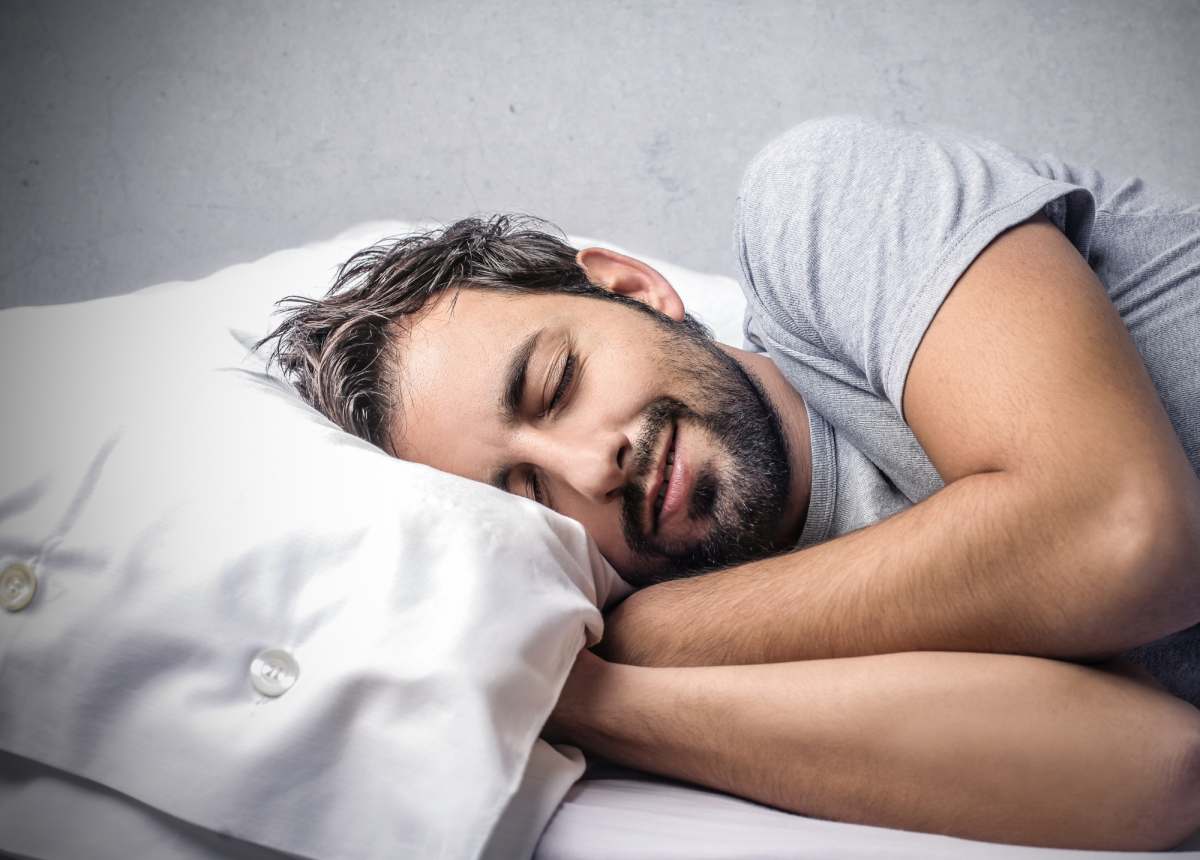
The importance of a good night's sleep
Most people know that getting a good night's sleep is important, but few truly understand how vital at least seven to eight hours of sleep a night is.
Getting enough sleep is crucial for both our physical and mental health. It helps to boost our immune system, improves our mood and cognitive function, and reduces stress levels.
The benefits of good sleep on overall health and wellness
There are numerous physical health benefits associated with getting enough sleep.
It can:
boost your immune system.
repair tissue damage.
reduce inflammation.
regulate hormones.
regulate blood sugar levels.
control appetite-stimulating hormones.
improve your skin.
Sleep also plays a vital role in regulating mood and managing stress levels. It can:
reduce stress and anxiety.
improve our concentration and cognitive performance.
Boost your energy levels.
make it easier to cope with difficult situations.
help reduce the risk of developing mental health conditions such as depression and anxiety.
If you're having trouble sleeping, try these tips:
Establish a regular sleep schedule.
Create a relaxing bedtime routine.
Limit caffeine and alcohol consumption.
Avoid screen time before bed.
Make sure your bedroom is dark and quiet.
Take time to relax and clear your mind.
Make sure your bed is comfortable.
In conclusion, prioritizing sleep is one of the most effective ways to enhance your overall health and well-being. By understanding the profound impact that quality sleep has on both your body and mind, and by implementing healthy sleep habits, you can significantly improve your quality of life. So, take that step toward better health tonight by committing to a good night's sleep.

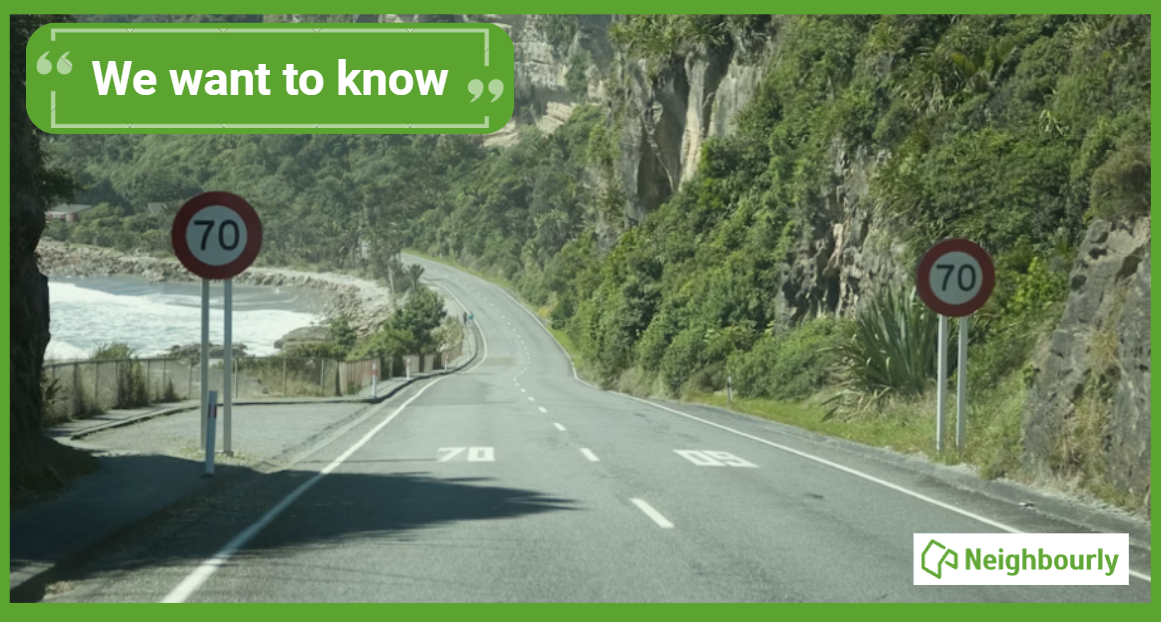
Poll: If we want to reduce speeding, what do you think actually changes driver behaviour? 🛻🚨🚓
In the Post's article on speeding penalties, the question is asked whether speeding fines are truly about road safety, or are they just a way to boost revenue for the Crown?
What do you think? Should speeding motorists receive speeding fines or demerit points?
-
37.6% The sting of a fine (Money talks!)
-
62.4% The threat of demerit points (Nobody wants to lose their license!)

🎉 Riddle me this, legends! 🎉
He/She who makes it, sells it.
He/She who buys it, doesn't use it.
The user doesn't know they are using it.
What is it?
(Shezz from Ngāruawāhia kindly provided this head-scratcher ... thanks, Shezz!)
Do you think you know the answer? Simply 'Like' this post if you know the answer and the big reveal will be posted in the comments at 2pm on the day!
Want to stop seeing these in your newsfeed?
Head here and hover on the Following button on the top right of the page (and it will show Unfollow) and then click it. If it is giving you the option to Follow, then you've successfully unfollowed the Riddles page.

Some Choice News!
DOC is rolling out a new tool to help figure out what to tackle first when it comes to protecting our threatened species and the things putting them at risk.
Why does this matter? As Nikki Macdonald from The Post points out, we’re a country with around 4,400 threatened species. With limited time and funding, conservation has always meant making tough calls about what gets attention first.
For the first time, DOC has put real numbers around what it would take to do everything needed to properly safeguard our unique natural environment. The new BioInvest tool shows the scale of the challenge: 310,177 actions across 28,007 sites.
Now that we can see the full picture, it brings the big question into focus: how much do we, as Kiwis, truly value protecting nature — and what are we prepared to invest to make it happen?
We hope this brings a smile!

 Loading…