





HOW TO SELECT THE IDEAL MATTRESS SIZE AND TYPE FOR OPTIMAL SLEEP QUALITY
A good night's sleep is essential for our overall well-being.
We understand the significance of choosing the perfect mattress size and type to ensure you wake up feeling refreshed and rejuvenated every morning.
In this comprehensive guide, we'll walk you through the factors to consider when selecting your mattress, from the kind of bed that suits your sleep style to the ideal firmness and size for your needs.
The Crucial Role of Choosing the Right Mattress for a Good Night's Rest
The foundation of restful sleep begins with your bedtime routine and, critically, with selecting the right kind of mattress.
The comfort and support provided by your mattress play a pivotal role in determining the quality of sleep you enjoy.
The significance of your sleeping position intertwines with the necessity of choosing an appropriate mattress. It's more than a matter of preference; it directly influences your sleep quality and overall well-being.
Understanding how your mattress complements your sleeping posture is key to achieving a more restful and rejuvenating night's sleep.
Spinal Alignment
The impact of your mattress on spinal alignment cannot be overstated. A mattress that properly supports your body will maintain the natural curvature of your spine, reducing pressure points and alleviating discomfort.
Tip: For back sleepers, a mattress that offers medium-firm support can help maintain the natural curve of the lower back. Side sleepers might look for a mattress that provides a softer surface to contour to the hips and shoulders, keeping the spine aligned.
Respiratory Health
Your mattress can also affect your respiratory health, particularly if it exacerbates or mitigates conditions like snoring or obstructive sleep apnea. The right mattress can support sleeping positions that promote open airways.
Tip: Side sleepers, who may experience fewer breathing difficulties, should choose a mattress that allows for easy movement and doesn’t lock them into one position.
Circulation
A mattress that restricts blood flow can lead to discomfort, numbness, or even pressure ulcers. It's vital to select a mattress that facilitates good circulation, complementing your body's needs.
Tip: A mattress that is too firm might impede circulation for side sleepers, while one that is too soft may cause back sleepers to sink too deeply, affecting blood flow.
Comfort and Support
Ultimately, the goal is to find a mattress that provides both comfort and support tailored to your preferred sleeping position. This ensures not only a restful night's sleep but also contributes to your overall health and well-being.
Tip: Invest time in testing mattresses to find one that matches your body's contours and supports your sleeping style.
Whether you prefer a plush, firm, or medium-firm mattress, the right choice can dramatically improve your sleep quality.
What Size Of Mattress Is Best For Sleep?
Selecting the right mattress size is essential for maximizing comfort and ensuring ample space for restful sleep.
For solo sleepers or children, a single or twin mattress provides ample space for a comfortable night's sleep.
Couples may opt for a larger size, such as a queen or king mattress, to ensure ample room for rest without compromising individual space and comfort.
Consider your bedroom's dimensions and personal preferences when choosing the perfect mattress size.

A reminder this hunting season
As thousands of hunters are making their plans for autumn – the Roar – recreational firearms groups are urging hunters to always be 100% sure of their targets.
Te Tari Pureke - Firearms Safety Authority NZ, which chairs the Recreational Firearms Users Group, has begun a public information campaign reminding hunters everywhere of Rule #4 of the Firearms Safety Code: to identify their target beyond all doubt.
Director Communities and Corporate, Mike McIlraith, says there is an estimated 50,000-60,000 New Zealanders involved in big game animal hunting each year, and the Roar is the key event for many hunters each year.
“The Roar is a fantastic time of year for hunters to get out into the hills after a trophy animal but hunting safely and making sure everyone gets home in one piece, still must be the most important goal of every trip,” says Mike McIlraith.
“The consequences of not fully identifying your target beyond all doubt can be catastrophic. Our message to hunters is a really simple one: If you are not sure, then don’t shoot.”
Mike McIlraith says while hunting fatalities are thankfully rare, research has shown that misidentification of the target is the largest firearms related risk to New Zealand deer hunters, and 80% of the time this involves members of the same hunting group.
The Authority says hunters should not feel pressured to take a shot: “Instead, hunters should take the time to analyse their target, wait and see if it is a hind or stag, how old is the animal, how many points does its antlers have? Identifying your target means never firing at sound, shape, colour or movement alone.”
Mike McIlraith says good hunters will slow down, and run through some simple mental checks:
- Can I see the whole animal, or could this be another hunter?
- Where are my hunting companions – could this be them or someone else?
- How much of the animal can you see, if it is a hind or stag, how old is the animal, how - many points does its antlers have?
“Taking a little extra time to identify your target and check the firing zone is the key to safer hunting. No meat or no trophy is better than no mate,” he says.


Poll: How important is the ability to book a doctor’s appointment online?
Hi Neighbours
Here at The Doctors we would love to hear how you prefer to book your doctor’s appointments. With busy schedules, different people find different methods easier.
For some, online booking is very convenient, you can make an appointment anytime without needing to wait on the phone. Others still prefer calling the clinic and speaking to a real person, especially if they have specific questions about their visit.
Your feedback helps us understand what works best for our patients and how we can improve access to care.

-
27.6% I prefer booking online whenever possible
-
41.4% Online booking is helpful but not essential
-
27.6% I prefer calling the clinic
-
3.4% I didn’t know online booking was available

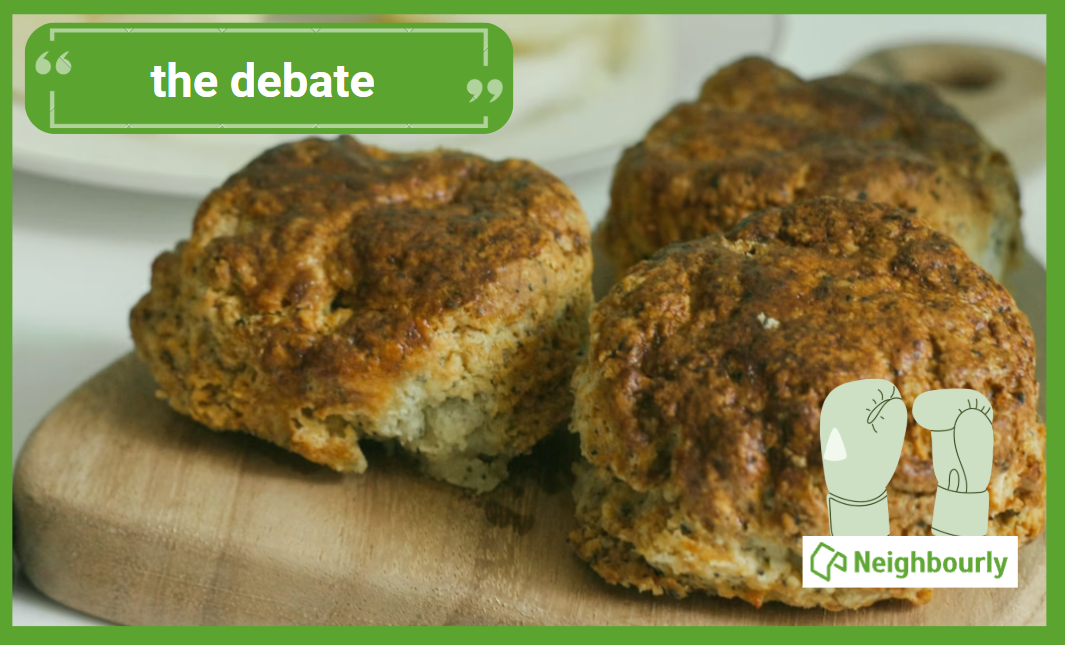
Poll: Does a savoury scone require cheese on top, or folded inside?
Help settle the great kiwi debate ... cheese on top, or folded inside?
-
76.4% Inside!
-
23.6% On top!
 Loading…