






Turning the tide on biodiversity loss—will we make it?
Conservation Lecture
with Professor Jacqueline Beggs, Professor in Ecology, University of Auckland.
Trinity Methodist Church, 864 Beach Rd, Waiake
7.00pm Sunday 17 November
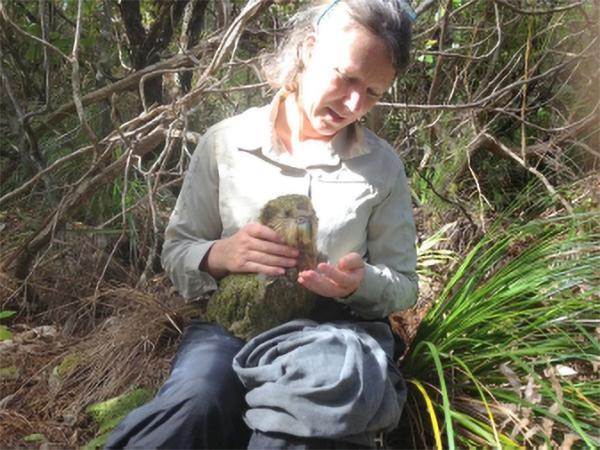
New Zealand was one of the last large land masses to be colonised by humans, so the consequences of human arrival are still playing out and a good deal of our native biota and ecosystems are threatened. In New Zealand, one of the main threats are invasive species, but there are many other pressures such as agricultural expansion and climate change. Although we have made progress in managing some pest species, there remain many challenges and it is clear that we will need new strategies if we want to ensure our biodiversity and ecosystems are here for future generations to enjoy. Using examples from her involvement with conservation research, from the iconic kākāpō (nocturnal, ground parrot), to the ecology and control of introduced social wasps Professor Beggs will discuss the key challenges for conservation in New Zealand. She will also draw on some international initiatives that seek to engage a greater diversity of people in conservation.
Jacqueline Beggs is a Professor in Ecology at the University of Auckland. Her research has focussed on the ecology and control of invasive wasps, but she has also worked on kākā, kererū, kākāpō, and a range of invertebrates. This has resulted in more than 90 refereed scientific papers. Jacqueline is the Director of the Centre for Biodiversity and Biosecurity at the University of Auckland and leads the Sustainable Future research theme for the Faculty of Science. Jacqueline is a member of the Department of Conservation’s kākāpō recovery group and was a member of the Ministerial Advisory Committee on biosecurity.

Poll: Is Auckland’s economy improving?
The latest reporting from The Post suggests a wave of optimism for 2026. With interest rates finally heading south, businesses are feeling more positive. But for many on the ground, the real-world recovery feels a bit like a slow-moving commute on Auckland's motorways.
We want to know: Are you seeing signs of Auckland's economy improving in your industry or neighbourhood? Whether it's busier shops, new projects kicking off, or just a shift in the mood ...
-
17.6% Yes
-
66.5% No
-
15.9% A little

🌉🛶 Early Birds Might Crack This One First… or Not? 🥚🧠
A person is crossing a bridge and sees a boat full of people, yet there isn't a single person on board.
How is this possible?
(Susan from Massey kindly provided this head-scratcher ... thanks, Susan!)
Do you think you know the answer? Simply 'Like' this post if you know the answer and the big reveal will be posted in the comments at 2pm on the day!
Want to stop seeing these in your newsfeed?
Head here and hover on the Following button on the top right of the page (and it will show Unfollow) and then click it. If it is giving you the option to Follow, then you've successfully unfollowed the Riddles page.
🪱🐦 When are you the most productive? 🌙🦉
The Post has been diving into our daily habits, and research suggests being an early bird or a night owl isn’t just a choice—it’s biology! We all have that specific time when our brains finally "click" into gear.
This raises a big question for the modern workplace. To get the best out of everyone, should employers accommodate our natural body clocks? This idea is at the heart of the four-day work week and flexible scheduling movements.
We want to hear from you:
1. When does your brain "click" into gear?
2. Would a flexible (or shortened) schedule change the way you work?

 Loading…