







13 ways to avoid the WINTER power bill shock
Here are some changes you can make around your home over the next few weeks to make a real difference to what you’ll pay for power this winter.
=================================================================
If you’re thinking of installing insulation, prioritise the ceiling – it’s where you lose the most heat and is usually the easiest to do.
When we tested curtains, it was floor-length, heavy lined curtains that did the best job of keeping the heat in. Even when heavy lined curtains only went to the length of the windowsill, they still did a better job than floor-length thermal curtains. Thermal curtains have a plastic coating bonded to the fabric, while heavy lined have an extra layer of fabric.
In our test of window blinds, honeycomb blinds did the best job of keeping the heat in. Roman blinds were next best, followed by roller blinds then, lastly, Venetians.
Try putting rolled-up towels above your curtain rail. This hack won’t do much for the aesthetics of your home but we found it increased the performance of curtains by creating a seal at the top.
If you know you’re going to be hanging your washing inside, spin the load on the fastest speed. Every extra drop squeezed out at spinning means less evaporating into your living space.
If part of your house doesn’t get a lot of airflow and tends to be damp, consider a dehumidifier. It does a good job of drying out small spaces and acts as a heater too. You can see which models we rate on our website. Or if you already have one, make sure its filter is cleaned out and ready to be used again.
Make sure the pots you cook with have close-fitting lids so steam doesn’t escape.
A shower dome over the top of a shower will turn steam into condensation and send it down the drain.
Compare power companies at powerswitch.org.nz. We run this comparison website to help you find the best deal on power. On average, Powerswitch users save $385 a year. You fill out a quick questionnaire about your house, compare prices and then activate the move to a new company.
Consider changing the way you use power around your house. Some power plans give you cheaper off-peak power or free periods of power. So you could save by moving your major power use to these times.
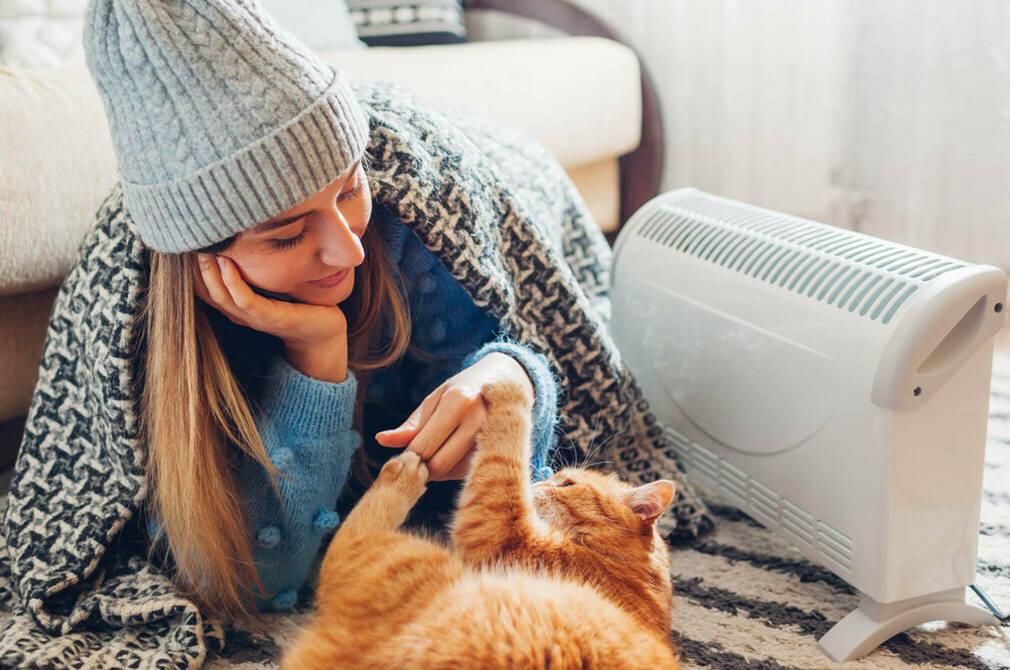
If you’ve been using an LPG gas heater, make this the autumn you ditch it. They’re expensive to run and also fill the air with moisture. Heat pumps are the cheapest heater to run.
Give your heat pump filters a vacuum to make them work more efficiently. They slide out easily and once you’ve done it, you’ll notice the difference straight away.
If you’re going to buy an electric heater, look for one with a thermostat to maintain an even temperature so it’s more cost efficient.
======================================================
Consumer NZ
======================================================

Neighbourhood Challenge: Who Can Crack This One? ⛓️💥❔
What has a head but no brain?
Do you think you know the answer? Simply 'Like' this post if you know the answer and the big reveal will be posted in the comments at 2pm on the day!
Want to stop seeing these in your newsfeed?
Head here and hover on the Following button on the top right of the page (and it will show Unfollow) and then click it. If it is giving you the option to Follow, then you've successfully unfollowed the Riddles page.


Poll: 🗑️ Would you be keen to switch to a fortnightly rubbish collection, or do you prefer things as they are?
Aucklanders, our weekly rubbish collections are staying after councillors voted to scrap a proposed trial of fortnightly pick-ups.
We want to hear from you: would you be keen to switch to a fortnightly rubbish collection, or do you prefer things as they are?
Keen for the details? Read up about the scrapped collection trial here.
-
83% Same!
-
17% Would have liked to try something different
7 tips for buying your Christmas ham
It’s the centerpiece of the Christmas table, so when you’re peering into the supermarket chiller or ordering from the butcher, choosing the perfect ham can feel like a daunting task.
Here are some things to keep in mind when choosing one to bring home with you.
1. What type of ham to buy
You’ve got some decisions to make when it comes to the type of Christmas ham you’re going to buy.
Cooked on the bone (COB) ham is the traditional Christmas ham. If you’re buying a half ham, you’ll have the choice of the shank or fillet end. The shank is the part with the bone sticking out that gives the ham that traditional look. The fillet end is the round part that gives more meat. If you’re deciding whether to get a whole ham or half, consider how quickly you’ll be able to eat it all. You only have about a week to eat an opened ham before it will go off, so it can be a good idea to get two halves. That way you can eat one half during the week of Christmas and save the other for January.
Champagne ham has had the bone removed and only has the hock left on, so it’s easier to carve.
Pressed ham – also known as continental ham – has had the bones removed and has been pressed, so it’s also easy to carve.
2. Check the pork percentage
The label on a packaged ham will say what percentage is actually meat. Hams are injected with brine, to keep them moist, and additives. The brine injection level for manufactured hams is usually between 10% and 35% of the ham's weight. A manufacturer that wants to produce a cheap ham will add more water to bump up the weight.
3. Know how to tell if it’s New Zealand pork
By far, most of the hams bought in New Zealand this Christmas will be from pigs reared overseas. New Zealand imports pork from about 25 countries. It’s frustrating for New Zealand pig farmers because this ham can come from farms that don’t have to meet the same animal welfare standards as we have in this country. As a result, overseas meat is often cheaper.
If buying New Zealand pork is important to you, look for:
words on the packaging like ‘New Zealand pork’ or ‘born and raised in New Zealand’
4. Have a good look at the ham
If you’re going to be glazing your ham, look for one that is covered in a finger-thick layer of fat. This will give you the thickness you need to make good score lines.
New Zealand Pork’s website also advises looking for a ham that has a meaty texture rather than one that looks wet or rubbery. It says the ham’s skin should be smooth with even colouring. “If the knuckle is sunken, it may be overcooked. If the rind is buckled or uneven, it may be a sign of dryness.”
5. Ask a lot of questions
If you’re ordering your pork from a butcher, you probably won’t be able to compare hams like you would at the supermarket. So, make sure you ask lots of questions, now that you know what you’re looking for.
You could ask:
Is the ham made from New Zealand born and farmed pork?
What will be its injection percentage?
What flavours will it have?
You could even ask if there’s a glaze the butcher thinks would work particularly well with those flavours.
6. Know what size you’ll need
If the ham is the only meat on your Christmas menu, New Zealand Pork advises allowing 1kg of ham for five people. Or if you’ve got other meat options, 1kg will feed about six to eight people.
7. Know the best hams in New Zealand
The best hams of the year were awarded at the 100% New Zealand Bacon & Ham Awards earlier in the year so you can check out which ones got medals. Some of them are only available in the city the butcher is based, but a Farmland boneless ham available nationwide won a gold award and Woolworths bone-in and boneless hams picked up bronze.
====================================================
 Loading…