






No money for Christmas presents?
Every year you see articles about parents not having enough money for presents for their kids. But does this really have to be a bad thing?
My parents were ‘salt of the Earth’ working class people, born in 1933 and 1941 respectively, working hard from an early age on to build up Germany from the ruins and rubble it was after the Second World War. I was the first of four children, all born in a small village in the middle of nowhere in the 1960s, and my early Christmas memories are of the whole house being cleaned, everything being made to look festive, a big meal being cooked, kids all scrubbed and dressed up, a lot of stress and shouting, and then at 6 pm being lined up in front of the door and expected to beam happily for the camera my father had bought before my birth to document our family life - when in reality you didn’t feel particularly happy due to having been shouted at and the stress all day long. In reality it was a performance, a farce really.
As I got quite active in church and took religion seriously back then, I declared at the age of 12 and weeks in advance that I do NOT want presents: "After all, It isn’t MY birthday!”. Of course the usual scenario played out and I got presents - which I refused to open. Cue more shouting, upset mother, festivities ruined even more than usual.
But I stuck to my convictions, and after three such Christmases we reached a compromise. There was not going to be a big meal anymore but something simple so that mother wasn’t exhausted and rushed off her feet trying to fulfil some silly social obligations - after all, Jesus and his followers drank from wooden cups, not out of golden goblets, and if simple was good enough for them, it was good enough for us. And instead of presents we would donate the money to a good cause.
The difference this made was enormous. No more stressing about and running around for presents. No more spending money that was in short supply anyway. No longer thinking giving presents was the main point of Christmas. No fancy tableware or food, slaving in the kitchen for hours. No exhaustion. No shouting. No bad atmosphere.
And simple and easy doesn’t mean it isn’t tasty - a potato salad and sausages, or later smoked salmon (bought and stored in the freezer when it was on special) with lettuce and horseradish on toast was plenty festive enough, and quite honestly: we kids didn’t care about fancy food. We wanted plenty and tasty - and that we got in spades.
Now we simply relaxed at the table, eating and talking and enjoying ourselves while waiting for the next toast to pop up, and playing board games after dinner - playing with each other instead of with some new toy that we didn’t really need anyway. And at midnight walking through the dark and cold, with the snow crunching underneath our feed, going to mass …
These were by far the best Christmases I had with my family. It really FELT like Christmas.
Sadly when the next generation of kids came along, my siblings reverted to the old-fashioned way. Social pressure is immense, and with my niece and nephew being the only kids in our extended family for quite a while they got absolutely hammered with presents. Everyone seemed to compete with each other (I stayed out of it) and when my nephew was just 10 he got a mobile phone, a bike, a table tennis table with all the trimmings, and much more that I don’t remember anymore.
I always found it fitting that in English another word for presents is ‘gift’ - because in German ‘gift’ means poison.
And for me, these presents have always been a poison to the meaning of Christmas …

Some Choice News!
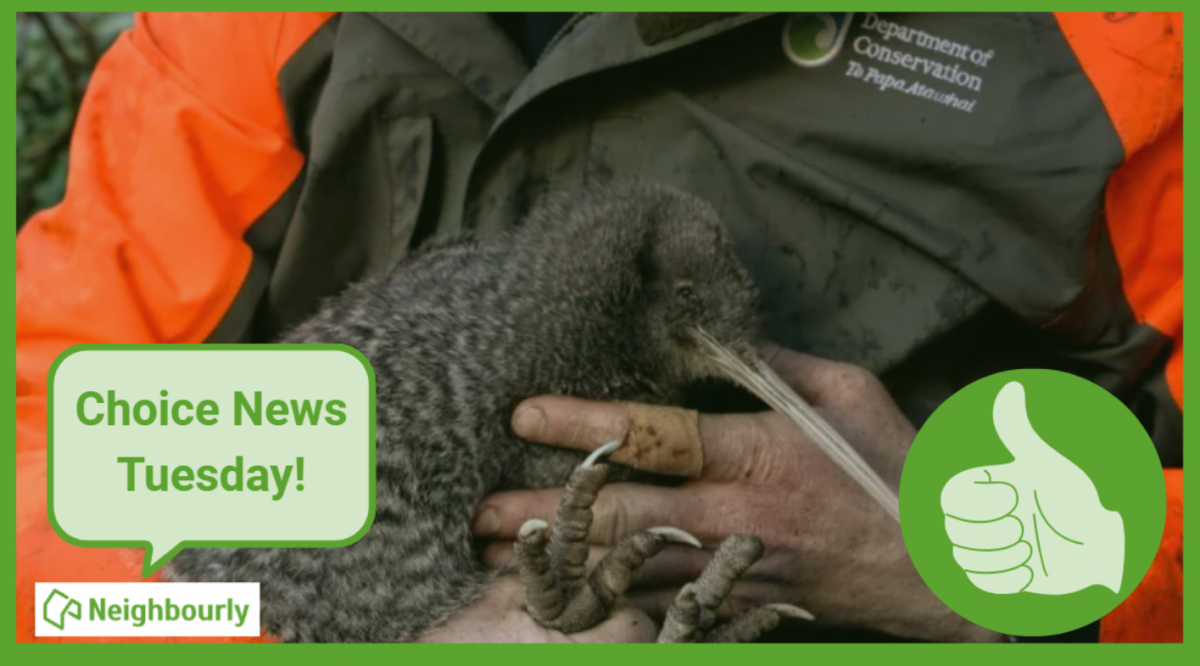
DOC is rolling out a new tool to help figure out what to tackle first when it comes to protecting our threatened species and the things putting them at risk.
Why does this matter? As Nikki Macdonald from The Post points out, we’re a country with around 4,400 threatened species. With limited time and funding, conservation has always meant making tough calls about what gets attention first.
For the first time, DOC has put real numbers around what it would take to do everything needed to properly safeguard our unique natural environment. The new BioInvest tool shows the scale of the challenge: 310,177 actions across 28,007 sites.
Now that we can see the full picture, it brings the big question into focus: how much do we, as Kiwis, truly value protecting nature — and what are we prepared to invest to make it happen?
We hope this brings a smile!

Poll: 🤖 What skills do you think give a CV the ultimate edge in a robot-filled workplace?
The Reserve Bank has shared some pretty blunt advice: there’s no such thing as a “safe” job anymore 🛟😑
Robots are stepping into repetitive roles in factories, plants and warehouses. AI is taking care of the admin tasks that once filled many mid-level office jobs.
We want to know: As the world evolves, what skills do you think give a CV the ultimate edge in a robot-filled workplace?
Want to read more? The Press has you covered!

-
52.7% Human-centred experience and communication
-
14.7% Critical thinking
-
29.8% Resilience and adaptability
-
2.7% Other - I will share below!

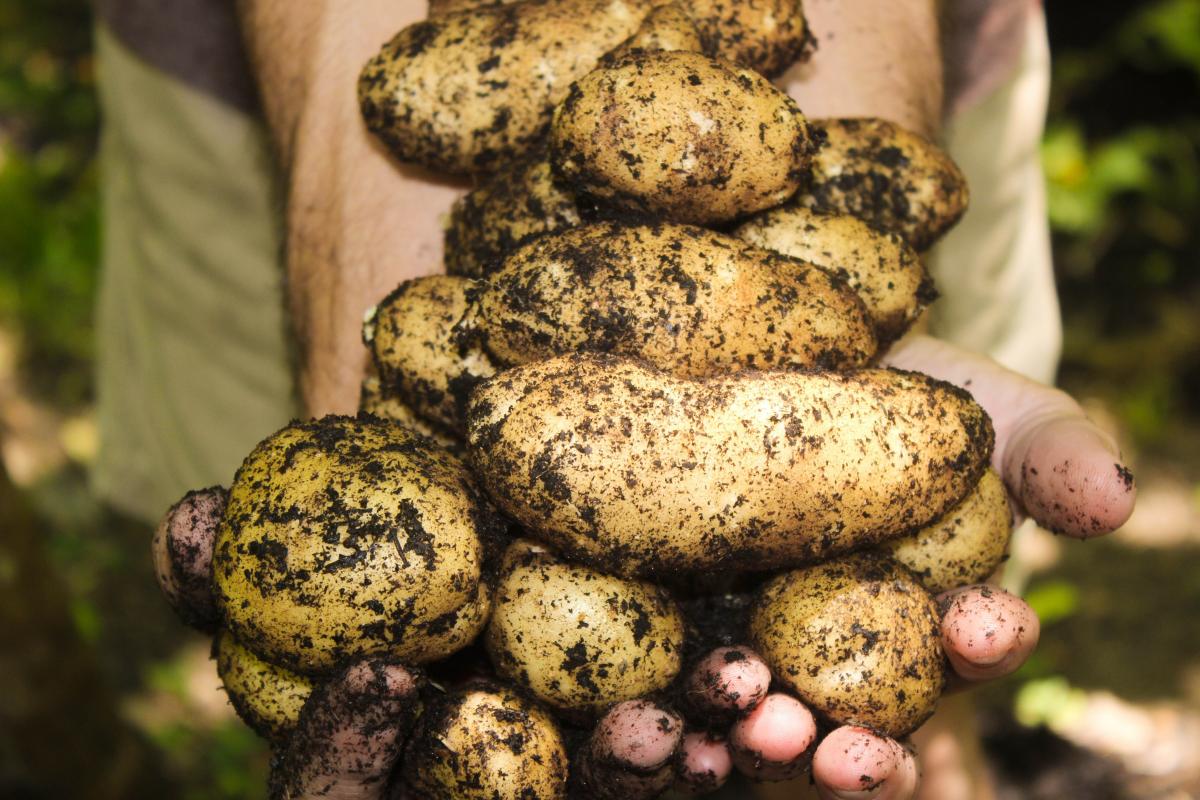
Share your favourite main crop potato recipe and win a copy of our mag!
Love potatoes? We will give away free copies of the May 2026 issue to readers whose potato recipes are used in our magazine. To be in the running, make sure you email your family's favourite way to enjoy potatoes: mailbox@nzgardener.co.nz, by March 1, 2026.
 Loading…