





Kauri health survey Waitākere Ranges
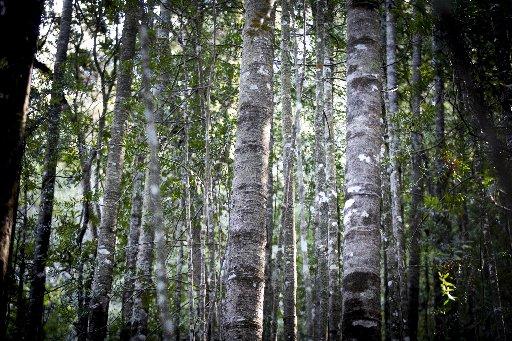
A new kauri monitoring programme has been launched in the Waitakere Ranges.
Auckland Council workers are surveying healthy trees as part of their study into kauri dieback disease.
They are investigating the impacts of the disease on individual trees and the wider kauri population.
Auckland Council kauri dieback team manager Lisa Tolich said new remote sensing technology had given the council a good estimate of how many kauri trees spanned the ranges.
The team had drawn a sample of trees to survey.
“We are giving 3500 kauri in the Waitākere Ranges a full health check and will continue monitoring these specific trees for years to come,” Tolich said.
“The trees have been randomly selected from the overall population so field teams don’t know going in whether they’ll be assessing healthy or diseased trees.
“This is important because it means we can build a picture of what’s happening across the entire population – not just the areas where we know the pathogen is already present.”
Data collected will identify risks to tree health associated with the locations, environment and other factors such as changing climate.
Survey findings will help the council assess how well precautionary measures are working and if any adjustments are needed.
Funding for the monitoring programme comes from the Natural Environment Targeted Rate at an expected cost of between $650,000 and $700,000.
This includes the design and delivery of the Waitākere Ranges Surveillance programme between 2020-2022.
Environment and Climate Change Committee chair Richard Hills said the investment was another step towards helping protect and preserve kauri forests.
“Kauri dieback disease is unfortunately not going away and the more we can find out about the disease, through robust processes like our surveillance and monitoring programmes, the better placed we are to protect our native taonga now and for generations to come.”

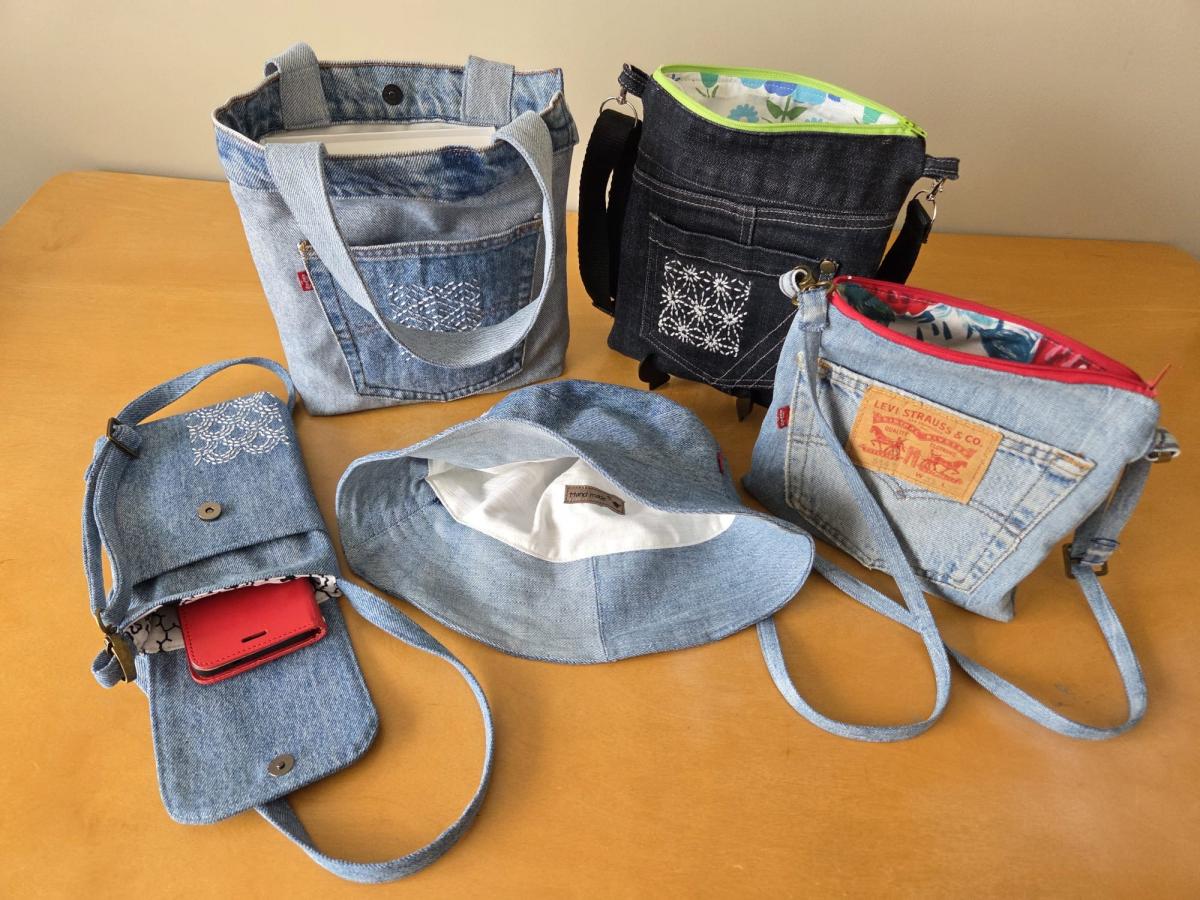
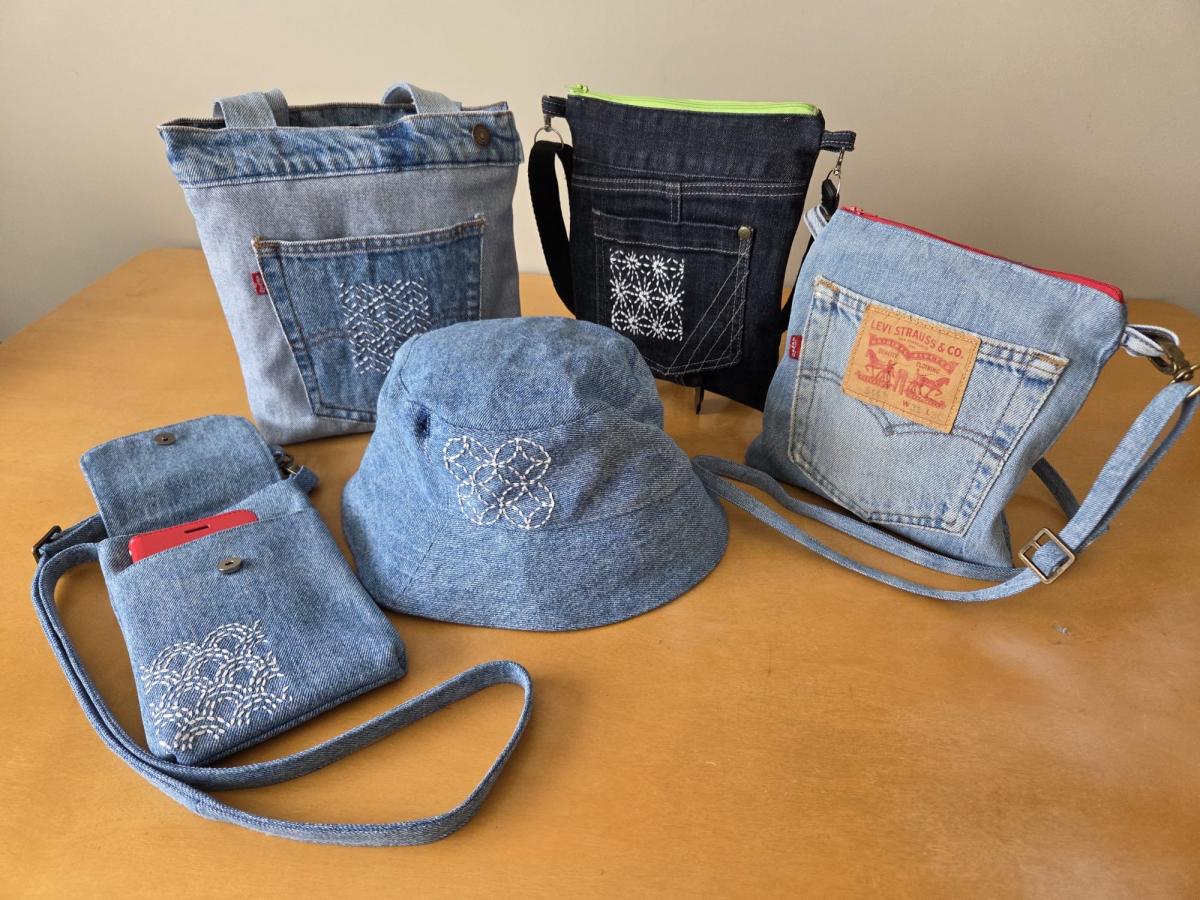
Denim, but make it one-of-a-kind 💙
Not every pair of jeans makes it to the rack... but that doesn’t mean their story ends there. Our talented volunteer Annie has been transforming damaged denim into handcrafted bags, hats and aprons in our Onehunga SPCA Op Shop ✂️🧵
This latest batch even features her own hand-sewn designs, and customers have been loving them, they sell almost as soon as they hit the shelf!
It’s creativity, sustainability and community all stitched together, helping animals in need 🐾
📍 217 Onehunga Mall, Onehunga
🕘 9am–5pm, 7 days

Scam Alert: Bank cold calls
ASB is warning customers about reports of cold calls from scammers claiming to be from ASB. These scammers are trying to obtain personal information, including usernames, dates of birth, and verification codes sent to your mobile phone.
🛡️ The "Caller Check" Test
If you get a call from someone claiming to be from ASB and you’re unsure, just ask them for a Caller Check. You will then be able to verify the call through the app.
Remember, banks will:
❌ Never ask for your banking passwords, PINs, or verification codes
❌ Never need to know your full credit card number – especially the CVC
❌ Never ask you to download software or remotely access your device
❌ Never ask you to purchase gift cards or transfer funds.
If you have received a phone call and think your account has been compromised, call ASB on 0800 ASB FRAUD (0800 272 372), or visit your local branch.

🧩😏 Riddle me this, Neighbours…
I am an odd number. Take away a letter and I become even. What number am I?
Do you think you know the answer?
Want to stop seeing these in your newsfeed? No worries! Simply head here and click once on the Following button.

 Loading…