





NZ population has grown from 4m to 5m in 17 years
Nobody really knows who the five millionth person in New Zealand was - but there's a chance it could be Odette Olive Deane. The chubby-cheeked tot was born on March 10 this year, around the time Statistics NZ reckons the country's population ticked over to 5 million. Our population has grown from 4m to 5m in 17 years thanks to a combination of natural growth (births minus deaths) and net migration (arrivals minus departures). Stats NZ said today that - provisionally - the population reached 5m sometime in March. Mum Charlotte Deane, 26, said it was "crazy" to think her daughter could be New Zealand's 5 millionth person. Charlotte had gone into labour while having lunch at Burnham Military Camp, where her soldier husband Oliver is based. "I started feeling pains, like a rubber band flicking, and then it all happened." Oliver drove her to Christchurch Women's Hospital and was there for the birth of their "very big" 4.3kg baby, after just 2.5 hours of labour and one day after her due date. Stats NZ's population insights senior manager Brooke Theyers said the precise date when we hit 5 million also isn't available yet but it's estimated that at March 31 had a resident population of 5,002,100. Theyers said while the 5m mark could have been reached by a newborn baby, it was more likely to be a migrant arriving on a plane. The Covid-19 pandemic had caused unusual international travel and migration patterns in recent months, which had boosted net migration as more Kiwis arrived home from overseas, she said. Fewer people were also leaving the country.
Escalating numbers of Covid-19 cases in early March made Charlotte "a bit more paranoid" than normal preparing for birth, she told. "I was keeping track of where the infections were and I didn't really want to go into hospital. And after she was born I didn't want to go into confined spaces." But she had been reassured by research showing babies and children were less likely to catch the disease and likely to have milder symptoms. It's not all been easy. When Odette was just 2 weeks old the country went into lockdown, making the first weeks of maternity leave even more isolating than normal. She was only able to have one week of home midwife visits, and feeding the baby proved hard without outside help from a lactation consultant. But despite those first difficult weeks, Odette is thriving. "She was obviously a giant baby but they think she was born too big. She's just started losing a lot of weight so now she's very petite - we call her Dotty," Charlotte said. "She's very loved. She's had lots of kisses from her big brother [Walter, 20 months]. She goes a little bit crazy during the day but she sleeps really well at night.
Mid-lockdown, at just 4 weeks, Odette started smiling at them - and she hasn't stopped. "She's the most smiley baby I've ever seen."
=========================================================

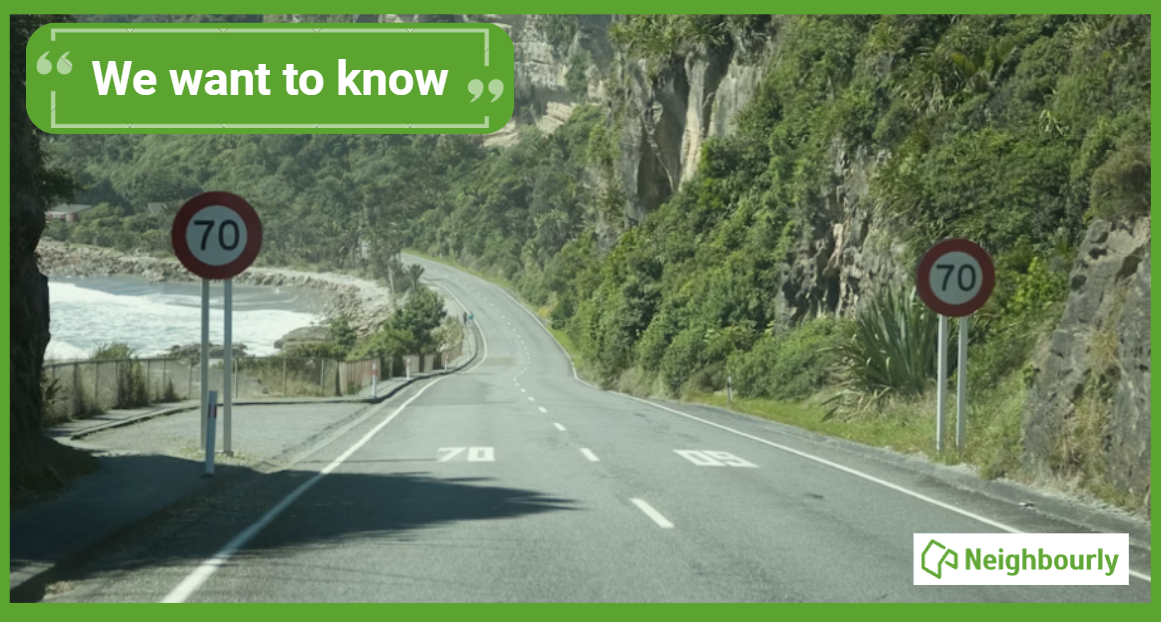
Poll: If we want to reduce speeding, what do you think actually changes driver behaviour? 🛻🚨🚓
In the Post's article on speeding penalties, the question is asked whether speeding fines are truly about road safety, or are they just a way to boost revenue for the Crown?
What do you think? Should speeding motorists receive speeding fines or demerit points?
-
35.5% The sting of a fine (Money talks!)
-
64.5% The threat of demerit points (Nobody wants to lose their license!)

Some Choice News!
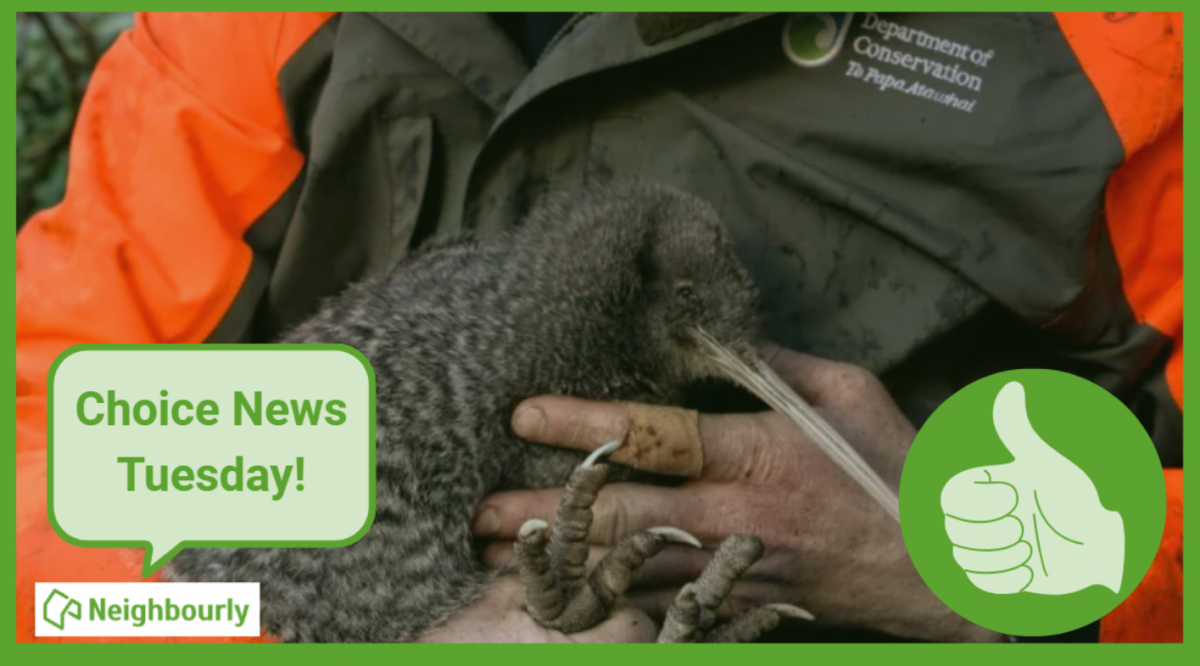
DOC is rolling out a new tool to help figure out what to tackle first when it comes to protecting our threatened species and the things putting them at risk.
Why does this matter? As Nikki Macdonald from The Post points out, we’re a country with around 4,400 threatened species. With limited time and funding, conservation has always meant making tough calls about what gets attention first.
For the first time, DOC has put real numbers around what it would take to do everything needed to properly safeguard our unique natural environment. The new BioInvest tool shows the scale of the challenge: 310,177 actions across 28,007 sites.
Now that we can see the full picture, it brings the big question into focus: how much do we, as Kiwis, truly value protecting nature — and what are we prepared to invest to make it happen?
We hope this brings a smile!
Poll: Is Auckland’s economy improving?
The latest reporting from The Post suggests a wave of optimism for 2026. With interest rates finally heading south, businesses are feeling more positive. But for many on the ground, the real-world recovery feels a bit like a slow-moving commute on Auckland's motorways.
We want to know: Are you seeing signs of Auckland's economy improving in your industry or neighbourhood? Whether it's busier shops, new projects kicking off, or just a shift in the mood ...
-
17.4% Yes
-
65.8% No
-
16.8% A little
 Loading…