





New Zealand's 1312 coronavirus cases: Locations, clusters, ages, ethnicities
Where are the cases?
==================
The latest data from the Ministry of Health shows that the Southern District Health Board (DHB) continues to have more cases of COVID-19 than any other DHB, with 207. It's followed by Waitemata, Auckland, Waikato and Canterbury. Tairawhiti continues to have the fewest with only a single case in that DHB. The Ministry of Health website doesn't break the data down into individual towns or areas, however, some DHBs are providing more specific information on their websites.
Total cases by DHB
================
Southern: 207
Waitemata: 183
Auckland: 173
Waikato: 167
Canterbury: 135
Counties Manukau: 98
Capital and Coast: 86
Nelson Marlborough: 48
Bay of Plenty: 42
Hawke's Bay: 38
Mid Central: 28
Northland: 25
Hutt Valley: 21
Lakes: 14
Taranaki: 14
South Canterbury: 11
Wairarapa: 9
Whanganui: 7
West Coast: 5
Tairawhiti: 1
Transmission
===========
New Zealand is now in its third week of nationwide lockdown under alert level 4. The decision of whether to extend that lockdown from its currently four-week run or to lift it will be made on April 20. One of the key pieces of data that will be considered if the level of community transmission, which is where officials can't identify who an infected individual contracted the illness from. That is up 1 percent on last week, while transmission overseas has fallen.
Transmission type
===============
Overseas: 40 percent
Contact with known case: 46 percent
Community transmission: 2 percent
Source under investigation: 11 percent
Clusters
=======
Outbreaks within New Zealand may be referred to as clusters. These are groups of COVID-19 cases linked together as they have all been to the same location. Within a cluster there may be an individual who has a link to someone who has travelled. The number of cases linked to clusters has grown over the last week with the increase in the "contact with known case" transmission type. There are 13 significant clusters in New Zealand.
These are clusters with 10 or more cases.
==================================
Bluff wedding: 85 cases
Marist College, Auckland: 85 cases
Matamata bar: 70 cases
Party in Auckland: 35 cases
World Hereford Conference, Queenstown: 33 cases
Rosewood rest home, Christchurch: 30 cases
Workplace, Auckland: 28 cases
Wellington group which travelled to the United States: 16
Ruby Princess cruise ship: 16
Auckland group which travelled to the United States: 15
George Manning retirement village: 14
A rest home in Waikato: 14
A wedding in Wellington: 13
Ages
=====
0-9: 24
10-19: 102
20-29: 325
30-39: 204
40-49: 189
50-59: 216
60-69: 158
70+: 94
Sex
===
Male: 592
Female: 718
Not specified: 2
Ethnicity
European or other: 963
Asian: 133
Unknown: 52
Maori: 110
Pacific people: 54
========================================================

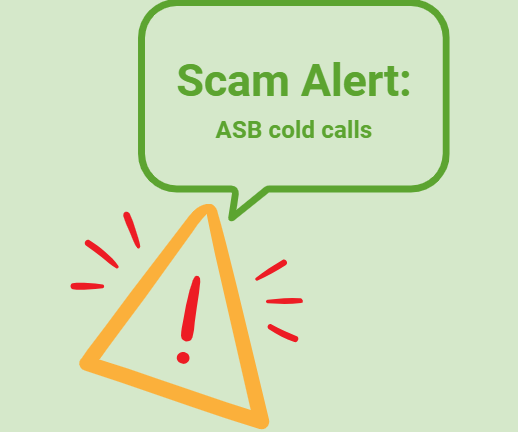
Some Choice News!
DOC is rolling out a new tool to help figure out what to tackle first when it comes to protecting our threatened species and the things putting them at risk.
Why does this matter? As Nikki Macdonald from The Post points out, we’re a country with around 4,400 threatened species. With limited time and funding, conservation has always meant making tough calls about what gets attention first.
For the first time, DOC has put real numbers around what it would take to do everything needed to properly safeguard our unique natural environment. The new BioInvest tool shows the scale of the challenge: 310,177 actions across 28,007 sites.
Now that we can see the full picture, it brings the big question into focus: how much do we, as Kiwis, truly value protecting nature — and what are we prepared to invest to make it happen?
We hope this brings a smile!
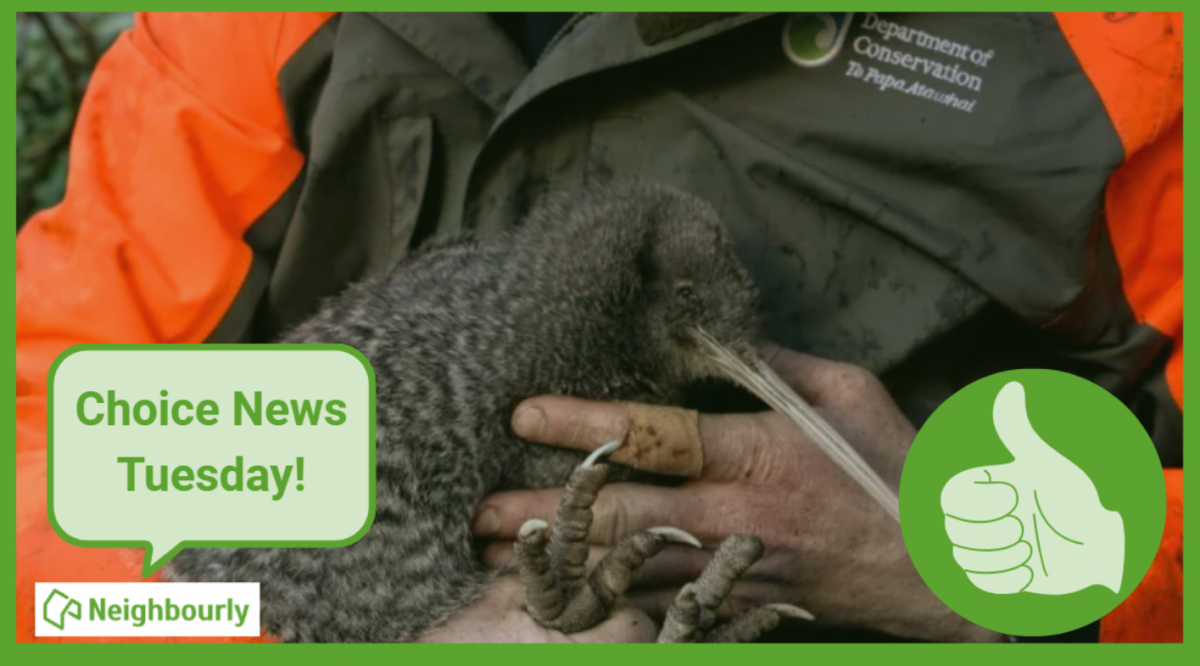

Scam Alert: Bank cold calls
ASB is warning customers about reports of cold calls from scammers claiming to be from ASB. These scammers are trying to obtain personal information, including usernames, dates of birth, and verification codes sent to your mobile phone.
🛡️ The "Caller Check" Test
If you get a call from someone claiming to be from ASB and you’re unsure, just ask them for a Caller Check. You will then be able to verify the call through the app.
Remember, banks will:
❌ Never ask for your banking passwords, PINs, or verification codes
❌ Never need to know your full credit card number – especially the CVC
❌ Never ask you to download software or remotely access your device
❌ Never ask you to purchase gift cards or transfer funds.
If you have received a phone call and think your account has been compromised, call ASB on 0800 ASB FRAUD (0800 272 372), or visit your local branch.
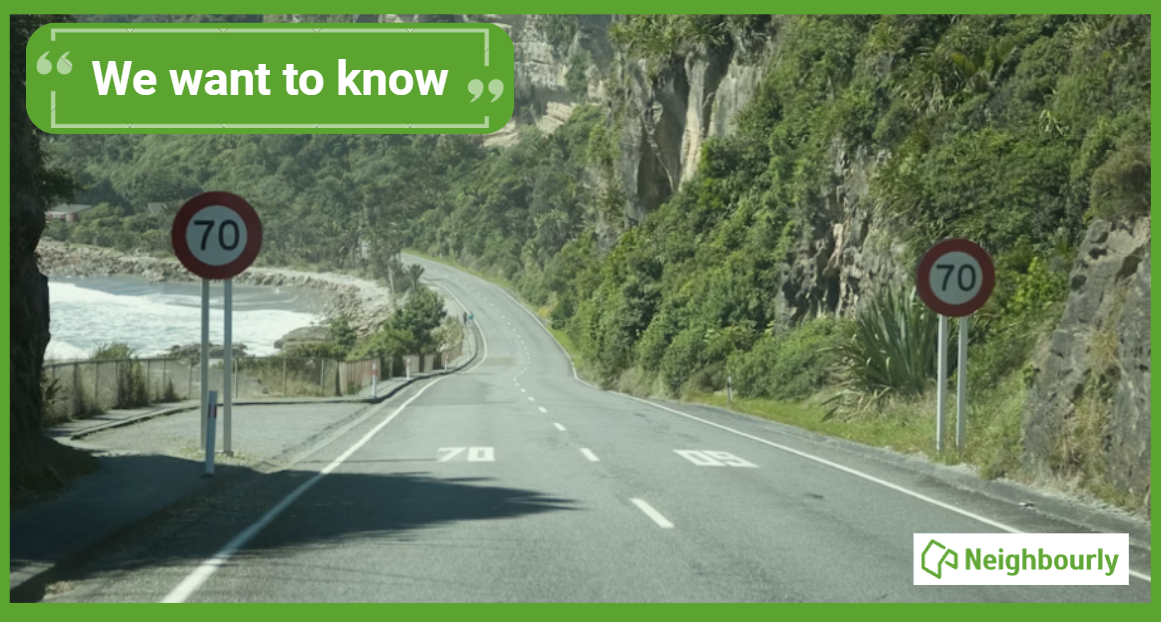
Poll: If we want to reduce speeding, what do you think actually changes driver behaviour? 🛻🚨🚓
In the Post's article on speeding penalties, the question is asked whether speeding fines are truly about road safety, or are they just a way to boost revenue for the Crown?
What do you think? Should speeding motorists receive speeding fines or demerit points?
-
36.5% The sting of a fine (Money talks!)
-
63.5% The threat of demerit points (Nobody wants to lose their license!)
 Loading…