






Coronavirus: What you should prepare in case you need to self-isolate
The Government recently asked New Zealanders to prepare for this situation. But how do you prepare for staying at home for a two-week period? Kiwis have been told not to bulk buy, and some won’t be able to afford to buy two weeks’ worth of supplies at once, but gradually adding extra items to your grocery list can build up your stock. According to New Zealand Civil Defence, during a pandemic or a prolonged emergency you will need a two-week stock of food and water.
Here is a list of food items that can easily be stored for two weeks:
======================================================
Ready-to-eat canned meats, fruits, and vegetables.
Canned juice, milk, and soup.
High-energy foods such as peanut butter, jam, salt-free crackers and energy bars.
Trail mix (pre-packaged or homemade).
Comfort foods such as hard sweets, sweetened cereals, snack bars, and biscuits.
Instant coffee, tea bags.
Compressed food bars. They store well, are lightweight, taste good, and are nutritious.
Dried foods. They can be nutritious and satisfying, but may contain a lot of salt, which promotes thirst. If salt is a problem, used dried fruit, like raisins.
Freeze-dried foods. They are tasty and lightweight.
Whole-grain cereals (oatmeal, whole-wheat, multi-grain).
Instant meals. Cups of noodles or cups of soup are a good addition.
Snack-sized canned goods, which generally have pull-top lids or twist-open keys.
Pre-packaged beverages. Those in foil packets and foil-lined boxes are sealed and will keep for a long time if the seal is not broken.
=====================================================
Other items that you may need to consider depending on your personal circumstances are:
=====================================================
Medications – you should check with your chemist about storage requirements for any medications your taking. Pain relievers and contact lenses and solutions are other medical supplies you may need.
Items for young children, including nappies, bottles, dummies, powdered milk and formula.
Detergent, feminine supplies, shampoo, deodorant, toothpaste, toothbrushes, comb and brush, lip balm, sunscreen, heavy-duty plastic garbage bags and ties, medium-sized plastic bucket with tight lid, disinfectant, household chlorine bleach.
Sanitation and hygiene items: toilet paper, towelettes, soap, hand sanitiser liquid.
First aid kit for common injuries.
==============================
Look after your mental health as well
==============================
Two weeks of staying home can seem like a long time for people and looking after your mental health is also important.
Civil Defence suggests making sure you also think about ways you can entertain yourself with books and other forms of entertainment and ways to occupy your children.
You can find more information on preparing for self-quarantine here from Civil Defence here.
If you are returning to New Zealand from overseas or don’t have a stock at home and have suddenly been required to self-quarantine you can order any item you need online. Family or friends can also drop supplies at your door.
========================================================

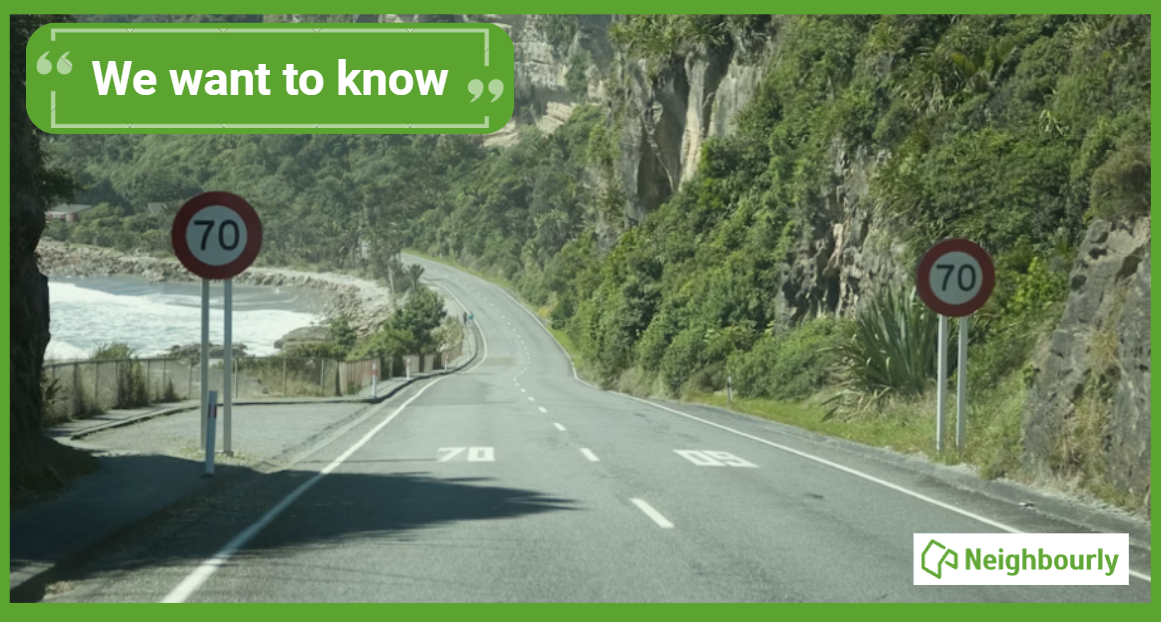
Poll: If we want to reduce speeding, what do you think actually changes driver behaviour? 🛻🚨🚓
In the Post's article on speeding penalties, the question is asked whether speeding fines are truly about road safety, or are they just a way to boost revenue for the Crown?
What do you think? Should speeding motorists receive speeding fines or demerit points?
-
36.3% The sting of a fine (Money talks!)
-
63.7% The threat of demerit points (Nobody wants to lose their license!)
Scam Alert: Bank cold calls
ASB is warning customers about reports of cold calls from scammers claiming to be from ASB. These scammers are trying to obtain personal information, including usernames, dates of birth, and verification codes sent to your mobile phone.
🛡️ The "Caller Check" Test
If you get a call from someone claiming to be from ASB and you’re unsure, just ask them for a Caller Check. You will then be able to verify the call through the app.
Remember, banks will:
❌ Never ask for your banking passwords, PINs, or verification codes
❌ Never need to know your full credit card number – especially the CVC
❌ Never ask you to download software or remotely access your device
❌ Never ask you to purchase gift cards or transfer funds.
If you have received a phone call and think your account has been compromised, call ASB on 0800 ASB FRAUD (0800 272 372), or visit your local branch.

Some Choice News!
DOC is rolling out a new tool to help figure out what to tackle first when it comes to protecting our threatened species and the things putting them at risk.
Why does this matter? As Nikki Macdonald from The Post points out, we’re a country with around 4,400 threatened species. With limited time and funding, conservation has always meant making tough calls about what gets attention first.
For the first time, DOC has put real numbers around what it would take to do everything needed to properly safeguard our unique natural environment. The new BioInvest tool shows the scale of the challenge: 310,177 actions across 28,007 sites.
Now that we can see the full picture, it brings the big question into focus: how much do we, as Kiwis, truly value protecting nature — and what are we prepared to invest to make it happen?
We hope this brings a smile!

 Loading…