





Government accused of stealing after taking tourist tax from people denied NZ visas
A tax levy introduced last year on visitors entering New Zealand to help fund tourism infrastructure is under scrutiny as the $35.00 International Visitor Levy is also being collected from people who never set foot in the country. Foreigners denied visitor visas here are automatically charged the levy, with some calling it theft.
Already close to a million dollars has been covertly collected in just six months. The levy is effectively a tax on tourists to help pay for tourism and conservation infrastructure improvements. But the problem is those who apply to come here as visitors but are turned down are also paying. The levy was introduced last July and figures obtained show in the first six months to December almost 285,000 thousand visitor visa applications were lodged with Immigration New Zealand but more than 24,000 of those were declined. Still, they were charged the $35.00 levy meaning the government pocketed more than $850,000 from people who'll never set foot on Kiwi soil.
Robyn Kurth and her group of friends attempted to bring out two Ethiopian guides to New Zealand as visitors but they were refused entry. She says the Government taking the fee from them amounts to theft. “So where's the $35.00? I want it back,” she says. “It can't be charged to people who are not coming here. How can we charge them if they're not actually going to use the facilities?” Immigration lawyer Ramya Sathiyanathan calls it deception. She says the online application is far from clear about the levy. “It's hidden, I presume quite intentionally in the online application form and it's only when you print a receipt you see it's been taken as part of the overall fee,” she says. The ministry says collecting the levy at time of application keeps admin costs down and confirms there is no provision for refunds. “What I think is important is that it's clear to people up front is that that fee is non-refundable and I think that's something that immigration New Zealand needs to deal with and i understand that they are.
==========================================================

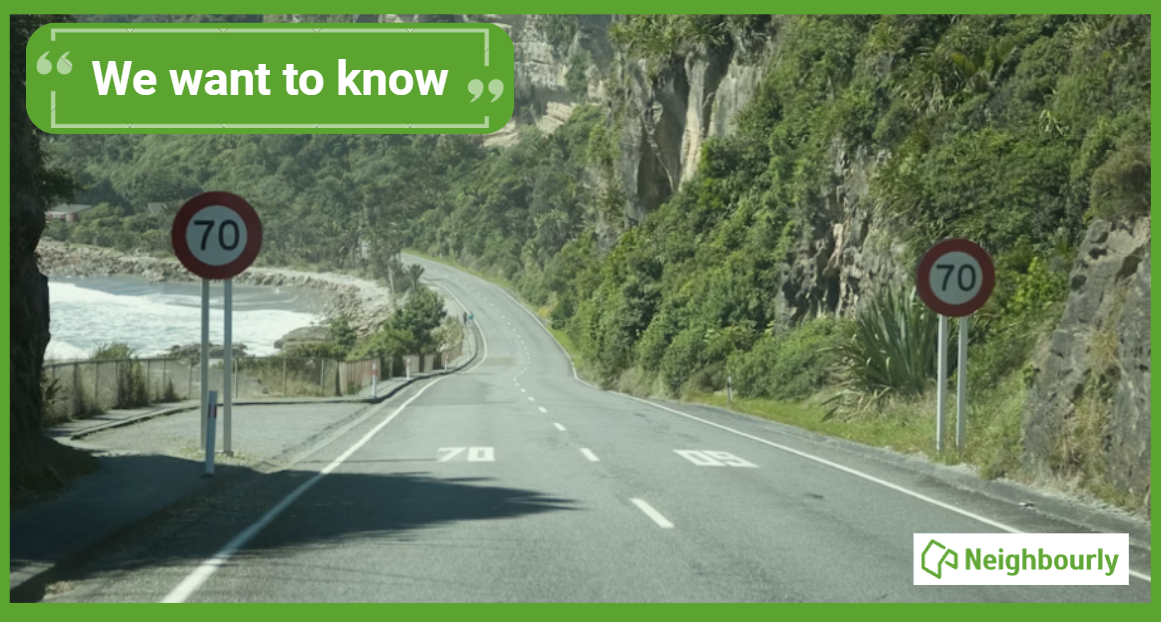
Poll: If we want to reduce speeding, what do you think actually changes driver behaviour? 🛻🚨🚓
In the Post's article on speeding penalties, the question is asked whether speeding fines are truly about road safety, or are they just a way to boost revenue for the Crown?
What do you think? Should speeding motorists receive speeding fines or demerit points?
-
36.4% The sting of a fine (Money talks!)
-
63.6% The threat of demerit points (Nobody wants to lose their license!)
Scam Alert: Bank cold calls
ASB is warning customers about reports of cold calls from scammers claiming to be from ASB. These scammers are trying to obtain personal information, including usernames, dates of birth, and verification codes sent to your mobile phone.
🛡️ The "Caller Check" Test
If you get a call from someone claiming to be from ASB and you’re unsure, just ask them for a Caller Check. You will then be able to verify the call through the app.
Remember, banks will:
❌ Never ask for your banking passwords, PINs, or verification codes
❌ Never need to know your full credit card number – especially the CVC
❌ Never ask you to download software or remotely access your device
❌ Never ask you to purchase gift cards or transfer funds.
If you have received a phone call and think your account has been compromised, call ASB on 0800 ASB FRAUD (0800 272 372), or visit your local branch.

Some Choice News!
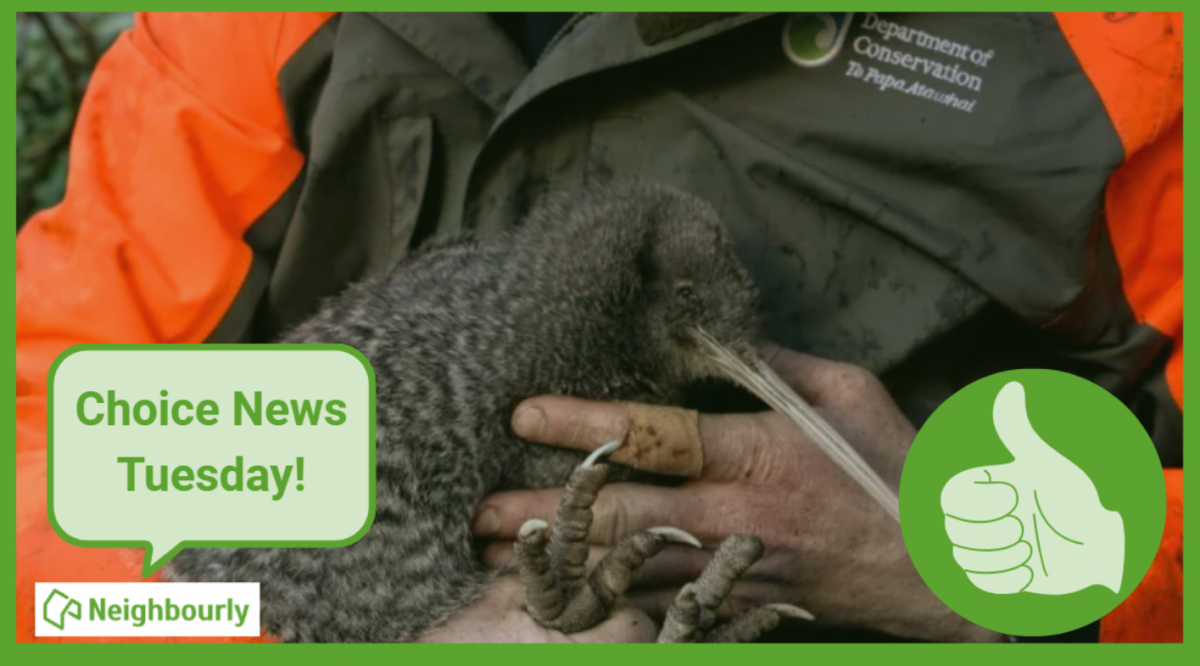
DOC is rolling out a new tool to help figure out what to tackle first when it comes to protecting our threatened species and the things putting them at risk.
Why does this matter? As Nikki Macdonald from The Post points out, we’re a country with around 4,400 threatened species. With limited time and funding, conservation has always meant making tough calls about what gets attention first.
For the first time, DOC has put real numbers around what it would take to do everything needed to properly safeguard our unique natural environment. The new BioInvest tool shows the scale of the challenge: 310,177 actions across 28,007 sites.
Now that we can see the full picture, it brings the big question into focus: how much do we, as Kiwis, truly value protecting nature — and what are we prepared to invest to make it happen?
We hope this brings a smile!
 Loading…