





Greasy pizza boxes, broken wine glasses, old TVs or computer, what can and can't be recycled
The amount of waste Kiwis produce spikes during the holiday season and when it comes to where we're throwing it all, many of us are getting it very wrong. "The latest we had was a samurai sword in the recycling bin and prosthetic limbs." said Parul Sood, General Manager of Solid Waste at Auckland Council. Auckland's waste increases by around 9 percent over the holiday period but when it comes to recycling, some of us are just being lazy. "If you're putting nappies and food waste in your bin, clearly that's not meant to be there." Ms Sood said.
Much of what ends up in our bins is "wishcycling", which is throwing unsuitable material into recycling bins and hoping it'll avoid the landfill. "Where you've put an X Box console in thinking someone might use it, but it can create a fire - and that entire truckload, if it's got fire, has to be dumped in a landfill." The message from Auckland Council is clear - your recycling bin is for clean household packaging only. Bottles that can be recyclable should be rinsed. In Auckland, the lid should be left on, but some councils prefer the lid off. If you can, it's best to take the label off the item you are recycling, but processing plants can remove the labels too. Pizza boxes can be recycled, even if there is grease present. "You just need to check there's no food, no cheese, grease is fine." Household items like broken wine glasses and plastics that aren't part of food packaging, can't go in your home recycling bin. But some of these items can be recycled elsewhere. Go Recycle in west Auckland, will even pay you for it. It's owner, Toni Moros will take toasters, microwaves, fridges and freezers. "Metal in particular, pots and pans, car batteries that contain lead. We pay for that sort of stuff." Ms Moros says. You can even get rid of your old computers and cellphones for free. "All the time we get people coming in asking what we can recycle and there's a lot of people surprised by what we do take." she says. So there are other options to avoid nasty surprises for those emptying your bins.
=========================================================

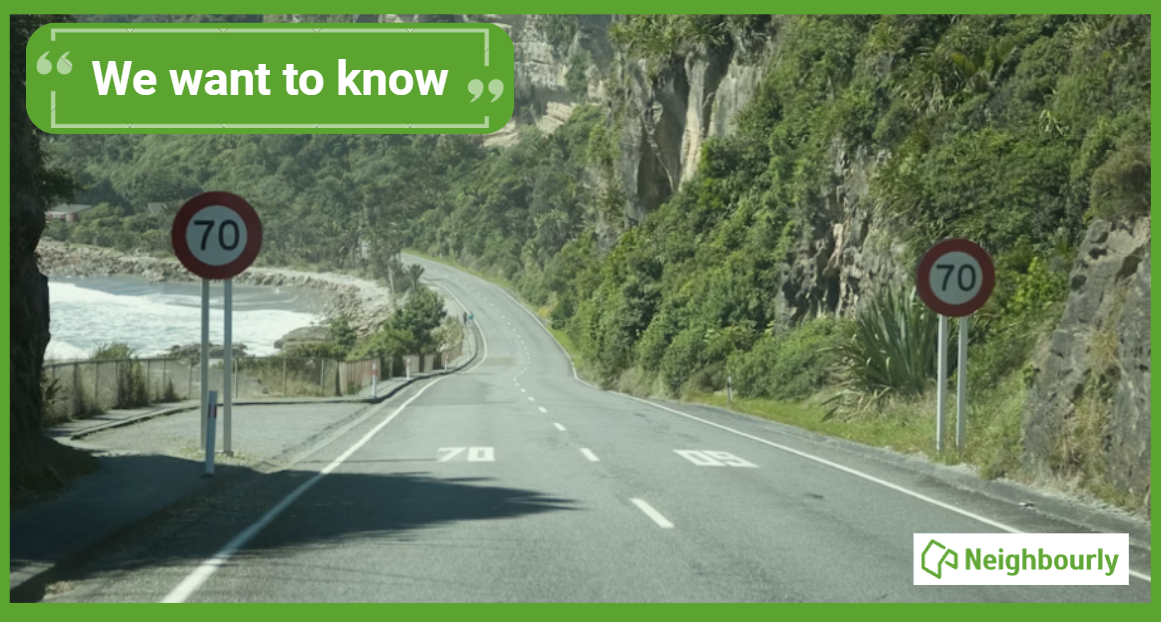
Poll: If we want to reduce speeding, what do you think actually changes driver behaviour? 🛻🚨🚓
In the Post's article on speeding penalties, the question is asked whether speeding fines are truly about road safety, or are they just a way to boost revenue for the Crown?
What do you think? Should speeding motorists receive speeding fines or demerit points?
-
36.4% The sting of a fine (Money talks!)
-
63.6% The threat of demerit points (Nobody wants to lose their license!)
Scam Alert: Bank cold calls
ASB is warning customers about reports of cold calls from scammers claiming to be from ASB. These scammers are trying to obtain personal information, including usernames, dates of birth, and verification codes sent to your mobile phone.
🛡️ The "Caller Check" Test
If you get a call from someone claiming to be from ASB and you’re unsure, just ask them for a Caller Check. You will then be able to verify the call through the app.
Remember, banks will:
❌ Never ask for your banking passwords, PINs, or verification codes
❌ Never need to know your full credit card number – especially the CVC
❌ Never ask you to download software or remotely access your device
❌ Never ask you to purchase gift cards or transfer funds.
If you have received a phone call and think your account has been compromised, call ASB on 0800 ASB FRAUD (0800 272 372), or visit your local branch.

Some Choice News!
DOC is rolling out a new tool to help figure out what to tackle first when it comes to protecting our threatened species and the things putting them at risk.
Why does this matter? As Nikki Macdonald from The Post points out, we’re a country with around 4,400 threatened species. With limited time and funding, conservation has always meant making tough calls about what gets attention first.
For the first time, DOC has put real numbers around what it would take to do everything needed to properly safeguard our unique natural environment. The new BioInvest tool shows the scale of the challenge: 310,177 actions across 28,007 sites.
Now that we can see the full picture, it brings the big question into focus: how much do we, as Kiwis, truly value protecting nature — and what are we prepared to invest to make it happen?
We hope this brings a smile!

 Loading…