





Public housing waiting list hits new high of 14,500 households
The recently released figure - recorded at the end of November - has more than doubled from the roughly 6000 individuals or families on the list shortly after the 2017 election. National is blaming Labour's housing policies and says the government has meddled in the rental market instead of building houses. But the minister responsible, Kris Faafoi, said the government had already delivered some 3300 public housing places, with another 2500 under construction. They were due to be completed by June, he said. The increase in demand was due in part to a culture change which meant people knew they would receive the help they need, he said. Faafoi added that Budget 2019 had included $197 million to strengthen and expand the Housing First programme. That funding would be able to support up to 2700 homeless whānau across New Zealand, he said. However, National's Associate Housing spokesperson Simon O'Connor said: "Labour was too quick to meddle in the rental market when it should have been focused on building houses.
"The reason we're in this mess today is because KiwiBuild tanked, Labour's new rental standards scared off landlords at the affordable end of the market, and its decision to end tenancy reviews increased pressure on social housing supply." If National were to get back into government at this year's election, it said it would "prioritise our most vulnerable Kiwis by throwing our weight behind community housing providers and introducing a target to reduce the time it takes MSD to house Priority-A clients on the social housing register". Faafoi said every New Zealander had a "right to a warm, dry, secure and safe place to live". "Homelessness is a complex and growing problem that will take a concerted and sustained effort by multiple agencies to ensure homelessness is both brief and non-recurring."
Demand by region
===============
Northland:524
Auckland:5326
Waikato:1494
Bay of Plenty:1120
East Coast:1405
Central:803
Taranaki:255
Wellington:1595
West Coast Tasman:510
Canterbury:1063
Southern:380
Other/unknown:21
========================================================

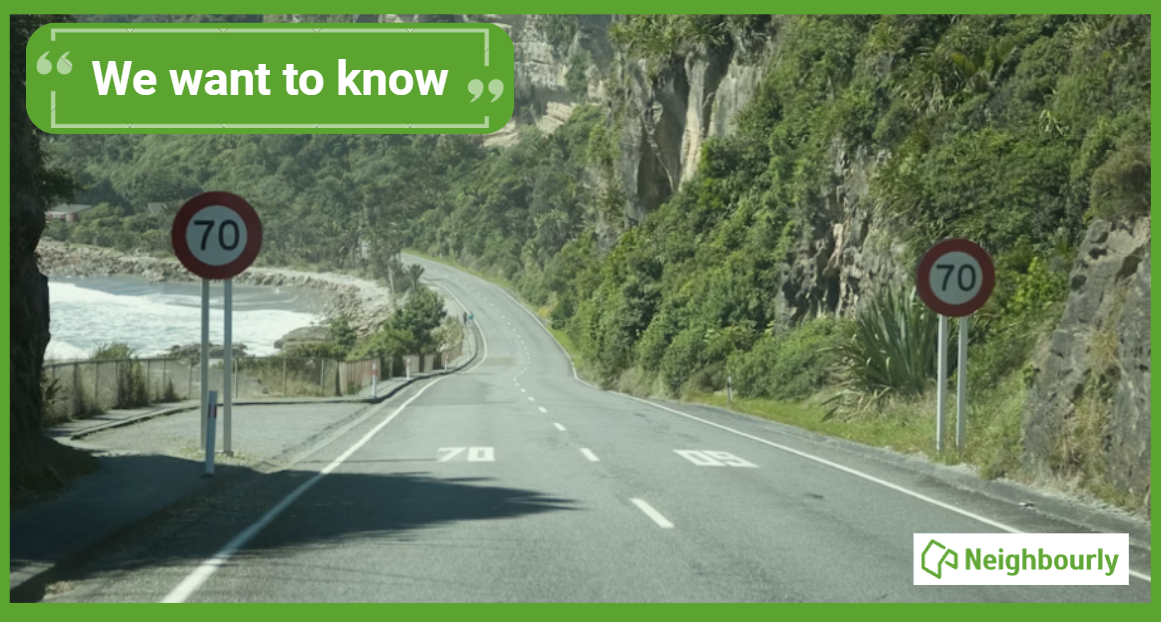
Poll: If we want to reduce speeding, what do you think actually changes driver behaviour? 🛻🚨🚓
In the Post's article on speeding penalties, the question is asked whether speeding fines are truly about road safety, or are they just a way to boost revenue for the Crown?
What do you think? Should speeding motorists receive speeding fines or demerit points?
-
36.4% The sting of a fine (Money talks!)
-
63.6% The threat of demerit points (Nobody wants to lose their license!)
Scam Alert: Bank cold calls
ASB is warning customers about reports of cold calls from scammers claiming to be from ASB. These scammers are trying to obtain personal information, including usernames, dates of birth, and verification codes sent to your mobile phone.
🛡️ The "Caller Check" Test
If you get a call from someone claiming to be from ASB and you’re unsure, just ask them for a Caller Check. You will then be able to verify the call through the app.
Remember, banks will:
❌ Never ask for your banking passwords, PINs, or verification codes
❌ Never need to know your full credit card number – especially the CVC
❌ Never ask you to download software or remotely access your device
❌ Never ask you to purchase gift cards or transfer funds.
If you have received a phone call and think your account has been compromised, call ASB on 0800 ASB FRAUD (0800 272 372), or visit your local branch.

Some Choice News!
DOC is rolling out a new tool to help figure out what to tackle first when it comes to protecting our threatened species and the things putting them at risk.
Why does this matter? As Nikki Macdonald from The Post points out, we’re a country with around 4,400 threatened species. With limited time and funding, conservation has always meant making tough calls about what gets attention first.
For the first time, DOC has put real numbers around what it would take to do everything needed to properly safeguard our unique natural environment. The new BioInvest tool shows the scale of the challenge: 310,177 actions across 28,007 sites.
Now that we can see the full picture, it brings the big question into focus: how much do we, as Kiwis, truly value protecting nature — and what are we prepared to invest to make it happen?
We hope this brings a smile!

 Loading…