





Human sex trafficking captured through the lens of Auckland photographer
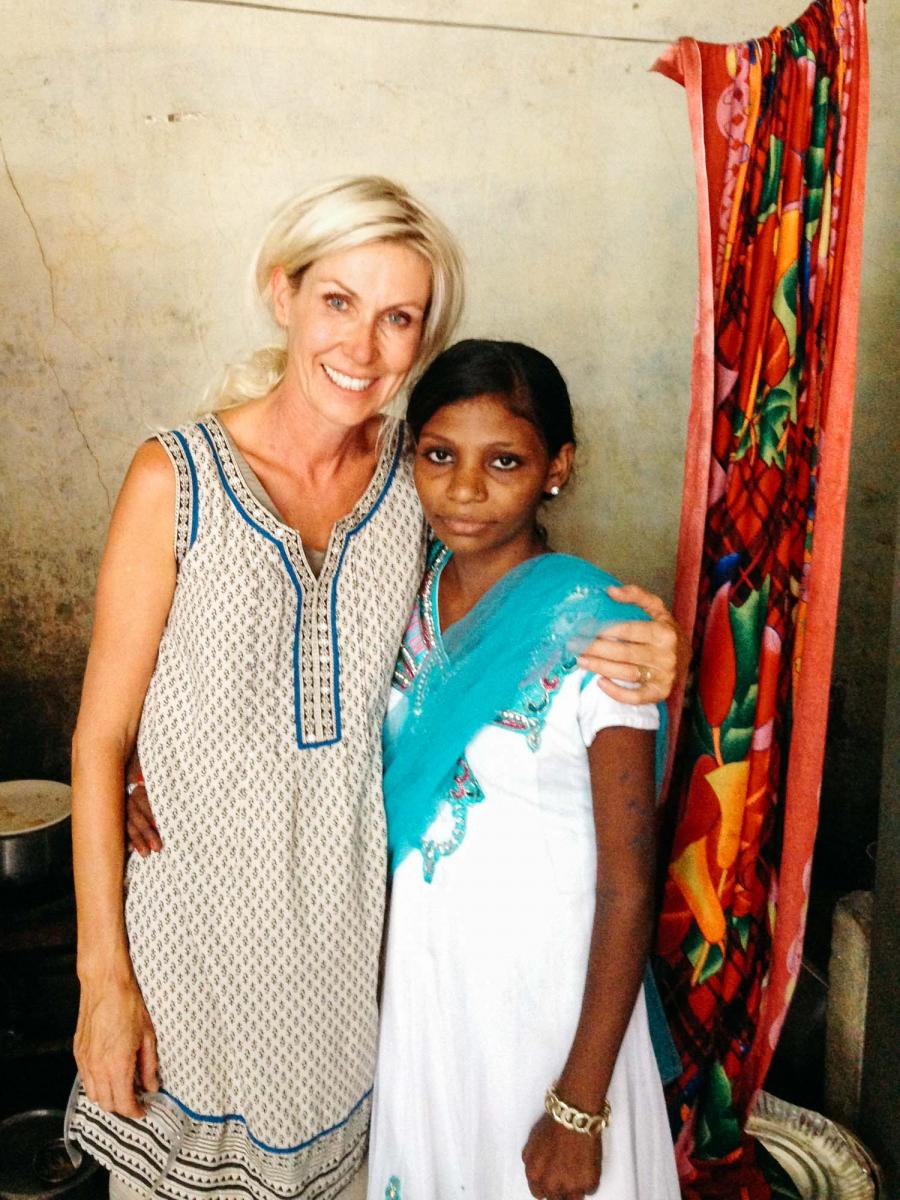
Nikki Denholm is haunted by the universal hollowness in eyes that have seen too much.
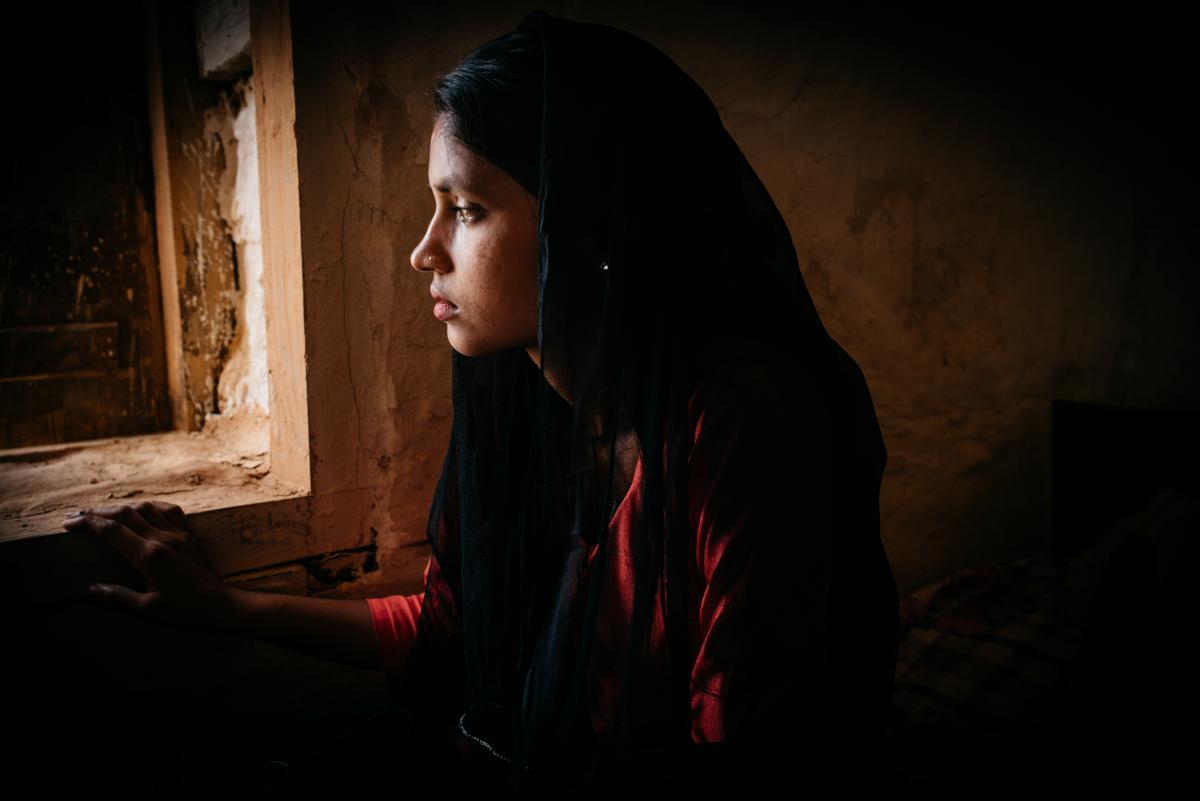
The Auckland photographer captures powerful images of young girls sold into sex slavery in countries ranging from Cambodia to Uganda.
“I’m there in what tiny way I can to tell their story, but when I come home the eyes stick,” Denholm said.
“The same sense of desolation and hopelessness you see in a lot of the girls’ eyes, no matter which country they’re from, is something that does stay with me.
“I might cry when they’re telling me their stories, but in terms of me processing the enormity of human trafficking and the injustice of it, that’s something I will pick up when I’m at home.”
Denholm, 53, has worked in more than 40 countries documenting the stories of people suffering through war, famine, persecution, and crisis.
The mother of three girls was inspired to focus on human sex trafficking six years ago after a symposium in India alerted her to the severity of the problem.
At the time, 16,000 girls each year were trafficked from Nepal across the border to India, she said.
The Mission Bay resident worked in a red-light district in Mumbai where an estimated 42,000 young girls were held captive in high-rise brothels across seven streets.
“I was quite shocked at how many young girls and women are sold into human sex trafficking and how poor the outcomes are for them in terms of ever being rescued,” Denholm said.
Today, it is estimated that between 28-30 million people across the world have been trafficked into some form of human slavery, with between four and a half million and five million sold into sex slavery, she said.
“Something happens at a different level when you see a photograph than when you just read four and a half million girls have been sex-trafficked. I think what a photograph does is it brings the issues into people’s hearts really.”
Human trafficking is the world’s fastest-growing criminal area, reaping an estimated NZ$230 billion profit a year, according to Tearfund.
Read more here: www.stuff.co.nz...



Brain Teaser of the Day 🧠✨ Can You Solve It? 🤔💬
Make a hearty dish. Take just half a minute. Add four parts of kestrel. Then just add one. What have you made?
(Trev from Silverdale kindly provided this head-scratcher ... thanks, Trev!)
Do you think you know the answer? Simply 'Like' this post and we'll post the answer in the comments below at 2pm on the day!
Want to stop seeing these in your newsfeed? No worries! Simply head here and click once on the Following button.


Poll: 🤖 What skills do you think give a CV the ultimate edge in a robot-filled workplace?
The Reserve Bank has shared some pretty blunt advice: there’s no such thing as a “safe” job anymore 🛟😑
Robots are stepping into repetitive roles in factories, plants and warehouses. AI is taking care of the admin tasks that once filled many mid-level office jobs.
We want to know: As the world evolves, what skills do you think give a CV the ultimate edge in a robot-filled workplace?
Want to read more? The Press has you covered!

-
52.9% Human-centred experience and communication
-
15% Critical thinking
-
29.6% Resilience and adaptability
-
2.5% Other - I will share below!

Have you got New Zealand's best shed? Show us and win!
Once again, Resene and NZ Gardener are on the hunt for New Zealand’s best shed! Send in the photos and the stories behind your man caves, she sheds, clever upcycled spaces, potty potting sheds and colourful chicken coops. The Resene Shed of the Year 2026 winner receives $1000 Resene ColorShop voucher, a $908 large Vegepod Starter Pack and a one-year subscription to NZ Gardener. To enter, tell us in writing (no more than 500 words) why your garden shed is New Zealand’s best, and send up to five high-quality photos by email to mailbox@nzgardener.co.nz. Entries close February 23, 2026.

 Loading…


