







The Influence of the Whānau - Day 9
In a small Māori pā (village) nestled beside a flowing river, a young boy named Rangi lived with his whānau. Rangi was curious and adventurous, always exploring the ngahere (forest) and listening to the stories of his kaumātua (elders). The kaumātua would often remind him, “He waka eke noa”—we are all in this together, and our actions affect the collective.
Rangi's best friend, Manu, was a clever boy but sometimes made poor choices. Manu had recently begun spending time with a group of older boys from another pā who were known for their reckless behavior. They would waste kai (food), leave rubbish in the ngahere, and even disturb the sacred awa (river) by throwing stones at eels.
One day, Manu invited Rangi to join the group, saying, “Come on, Rangi! They’re fun, and they won’t hurt anyone. We’re just having a good time!” Unsure, Rangi agreed, feeling pressure to fit in.
The group’s leader, Matiu, proposed a game: they would sneak into the kaumātua's kumara patch at night and take some for a "feast." Rangi hesitated. He remembered the kaumātua saying how much work went into growing the kumara, with karakia (prayers) and care for the soil. But he stayed silent, feeling outnumbered.
That night, the group raided the garden. As they laughed and ate the stolen kumara by the fire, Rangi felt uneasy. He realized that this was not who he wanted to be. When he saw Manu’s joy in impressing Matiu, Rangi felt torn but remained quiet.
The next morning, the kaumātua discovered the missing kumara and the trampled garden. They called the entire pā together, expressing sadness, not anger. “Our ancestors teach us that the whenua (land) provides for all of us, but only if we treat it with respect,” said one elder. “When we harm the whenua, we harm ourselves.”
Rangi’s heart sank. That evening, he confessed to the kaumātua and his whānau, explaining everything. To his surprise, they did not scold him harshly. Instead, they said, “He tangata tītoki, he tangata rākau—a person is like a tree; they grow straight when supported by others. You must choose companions who uphold the values of your whānau and whenua.”
Rangi decided to distance himself from Manu’s new group and instead spent time with those who respected the land and upheld the teachings of their ancestors. Over time, he encouraged Manu to rejoin him, and together they worked to rebuild the kumara patch, learning from the kaumātua.
---
Moral
This story highlights the importance of right company and like-mindedness. It shows that no one is inherently bad, but the influence of others and the situations we choose can lead us astray. Surrounding ourselves with those who uphold values like respect, care, and collective well-being ensures a life of balance and harmony.
Ka mua, ka muri — by learning from the past, we can walk into the future.

Some Choice News!
DOC is rolling out a new tool to help figure out what to tackle first when it comes to protecting our threatened species and the things putting them at risk.
Why does this matter? As Nikki Macdonald from The Post points out, we’re a country with around 4,400 threatened species. With limited time and funding, conservation has always meant making tough calls about what gets attention first.
For the first time, DOC has put real numbers around what it would take to do everything needed to properly safeguard our unique natural environment. The new BioInvest tool shows the scale of the challenge: 310,177 actions across 28,007 sites.
Now that we can see the full picture, it brings the big question into focus: how much do we, as Kiwis, truly value protecting nature — and what are we prepared to invest to make it happen?
We hope this brings a smile!


Poll: 🤖 What skills do you think give a CV the ultimate edge in a robot-filled workplace?
The Reserve Bank has shared some pretty blunt advice: there’s no such thing as a “safe” job anymore 🛟😑
Robots are stepping into repetitive roles in factories, plants and warehouses. AI is taking care of the admin tasks that once filled many mid-level office jobs.
We want to know: As the world evolves, what skills do you think give a CV the ultimate edge in a robot-filled workplace?
Want to read more? The Press has you covered!

-
52.7% Human-centred experience and communication
-
14.7% Critical thinking
-
29.8% Resilience and adaptability
-
2.7% Other - I will share below!

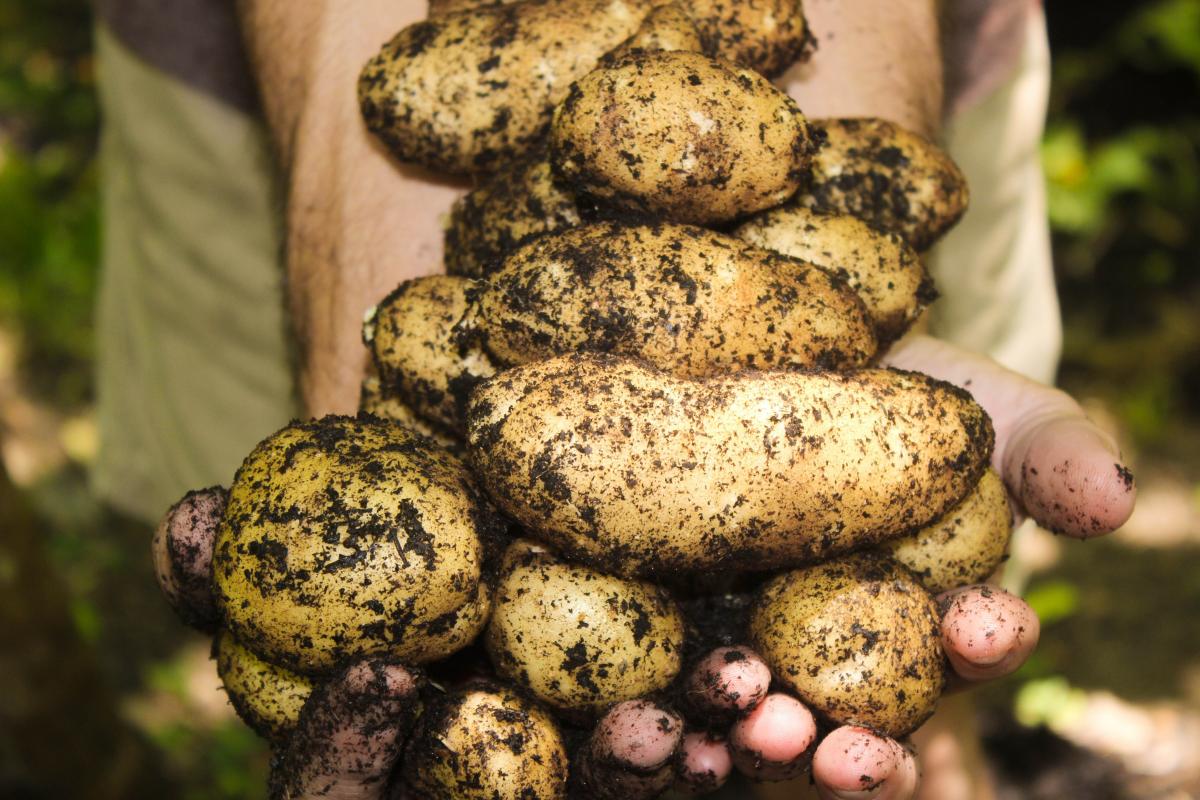
Share your favourite main crop potato recipe and win a copy of our mag!
Love potatoes? We will give away free copies of the May 2026 issue to readers whose potato recipes are used in our magazine. To be in the running, make sure you email your family's favourite way to enjoy potatoes: mailbox@nzgardener.co.nz, by March 1, 2026.
 Loading…