






The $200,000 mistake thousands of KiwiSavers made
Thousands of KiwiSaver members who switched their investments into less risky funds when Covid-19 first hit still haven't switched back - and it could cost them hundreds of thousands of dollars.
There was a surge in switching from growth funds to conservative funds in March 2020, when sharemarkets around the world wobbled.
Westpac said it processed 18,140 requests to switch in that time.
Markets soon recovered, but 27%of those KiwiSaver members never switched back to more growth-focused assets, Westpac said.
Another 17% took more than a year to switch back and 12% switched back in between six to 12 months.
If an investor is investing for a long time - such as for retirement - growth funds often deliver better outcomes because they tend to have higher returns, although they are more volatile. Shifting from a growth fund when markets are weak can mean locking in losses.
Morningstar research shows that, as a group, conservative KiwiSaver funds have returned an average 4.1% a year over 10 years, compared to 8.2% for growth funds and 9.1% for aggressive.
Westpac projected that someone with $25,000 in KiwiSaver who switched from a growth fund to a conservative fund on March 20, 2020, would end up with $387,938 in 2054.
But if they had left their money in a growth fund, they would have $615,423 - boosting their final outcome by more than $225,000.
If they had shifted in March 2020 and then moved back a year later, they would have $588,955 in 2054.
Even over a shorter term, the impact can be seen. Someone who shifted on March 20, 2020 and left their money in a conservative fund would have $120,880 in 2034. If they shifted back after a year, they could have $145,693 and if they had not shifted, and stayed in growth, they would have $156,472.
That assumes that person is earning the median wage, getting a 3% pay rise a year, and making 3% KiwiSaver contributions matched by a 3% employer contribution.
Westpac head of KiwiSaver Nigel Jackson said the number of people who had not switched back highlighted the "education gap" for New Zealanders in relation to long-term saving and retirement.
"Being in the right fund is really important and being in the wrong fund will cost you money in the long term."
Westpac has now launched a new high-growth fund that will have 100% growth assets and Jackson said it would be important that investors understood the possibility for volatility, as well as the potential returns available, so that they could stick with it and not switch out at the wrong moment.
"It's one of those challenges, you can tell people it's going to happen but it's still a challenge for them when it does happen. It's critical they understand the possibility is there so they have the context. If they don't have the right information, that's the point of highest risk when they can lock in unrealised losses by transferring to lower-risk funds and experience that loss at retirement."
Westpac NZ general manager of product, sustainability and marketing Sarah Hearn agreed long-term investors who were not in the right fund would probably short-change themselves at retirement.
"The Covid-19 experience and more recent market fluctuations should serve as a reminder to regularly think about your investment goals, whether you're saving for retirement or a first home deposit. That includes checking you're in the right type of fund for you and your stage in life," she said.
"Market volatility is normal and expected. Those of us who aren't nearing retirement will see our balances affected by more economic peaks and troughs before we get there."
The latest Financial Markets Authority annual KiwiSaver report showed growth funds now represent 46% of total funds under management, with $51.4 billion invested, and a total of 1.53 million investors. This is more than double the $24.5b in 2021.
=============================================
www.1news.co.nz...
=============================================

Some Choice News!
DOC is rolling out a new tool to help figure out what to tackle first when it comes to protecting our threatened species and the things putting them at risk.
Why does this matter? As Nikki Macdonald from The Post points out, we’re a country with around 4,400 threatened species. With limited time and funding, conservation has always meant making tough calls about what gets attention first.
For the first time, DOC has put real numbers around what it would take to do everything needed to properly safeguard our unique natural environment. The new BioInvest tool shows the scale of the challenge: 310,177 actions across 28,007 sites.
Now that we can see the full picture, it brings the big question into focus: how much do we, as Kiwis, truly value protecting nature — and what are we prepared to invest to make it happen?
We hope this brings a smile!


Poll: 🤖 What skills do you think give a CV the ultimate edge in a robot-filled workplace?
The Reserve Bank has shared some pretty blunt advice: there’s no such thing as a “safe” job anymore 🛟😑
Robots are stepping into repetitive roles in factories, plants and warehouses. AI is taking care of the admin tasks that once filled many mid-level office jobs.
We want to know: As the world evolves, what skills do you think give a CV the ultimate edge in a robot-filled workplace?
Want to read more? The Press has you covered!

-
52.6% Human-centred experience and communication
-
14.7% Critical thinking
-
29.9% Resilience and adaptability
-
2.7% Other - I will share below!

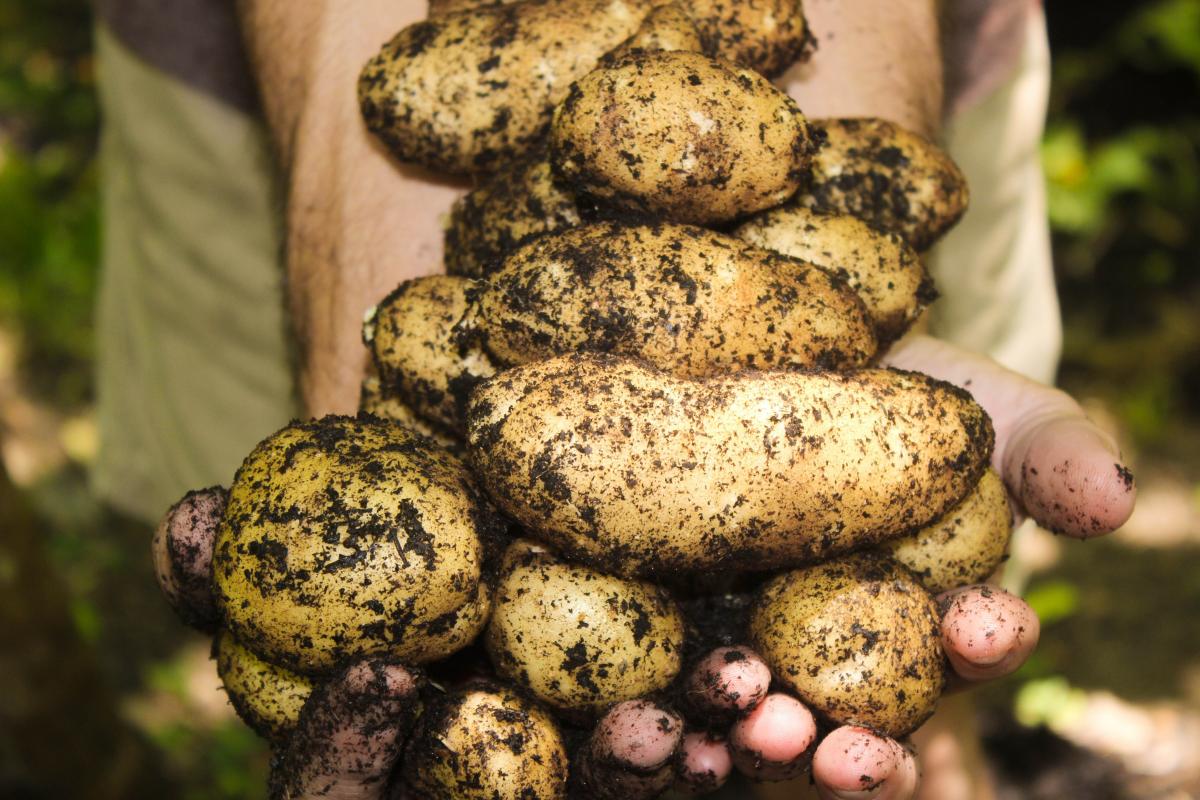
Share your favourite main crop potato recipe and win a copy of our mag!
Love potatoes? We will give away free copies of the May 2026 issue to readers whose potato recipes are used in our magazine. To be in the running, make sure you email your family's favourite way to enjoy potatoes: mailbox@nzgardener.co.nz, by March 1, 2026.
 Loading…