





Te Ara o te Raukura - Day 31
The Path of the Feather
In a quiet Māori village surrounded by dense ngahere (forest) and flowing rivers, a young woman named Aroha sought guidance for her restless heart. Aroha was gifted with a sharp mind and quick hands, which earned her admiration among her people. But she often felt torn between her desire for material success and a deeper yearning for peace.
One day, she climbed to the peak of Maunga Tapu (Sacred Mountain) to visit her kaumātua, Tohunga Matua, a wise elder known for his connection to wairua (spirit) and mātauranga (knowledge).
“E kui,” Aroha began, kneeling before him, “I feel trapped, as if my pursuit of worldly things has chained me. Yet, I cannot let go. What can I do?”
Tohunga Matua smiled and reached into his kete (basket), pulling out a raukura (feather). He held it high, letting the wind dance with it. “Aroha, this feather teaches us the essence of life. Do you see how it floats freely when it is released to the wind, but it falls to the ground when we cling to it?”
Aroha nodded, intrigued but unsure. “But how does that help me, e kui?”
Tohunga Matua continued, “The rāhui of our ancestors teaches us the principle of balance. The mana of a person—like the feather—determines their path. If your mind clings to the material, like a bird tied to the earth, you are bound. But if your mind lets go of attachment, you rise and find freedom.”
Still puzzled, Aroha asked, “But how do I let go of the things I desire? They feel so real.”
The elder picked up a smooth stone and handed it to Aroha. “Hold this stone tightly,” he instructed.
Aroha clenched the stone in her fist. Tohunga Matua then poured water from a calabash over her hand. The water ran over her skin, but none could reach her palm. “Your desires are like this stone, moko. When you cling to them, the waters of life cannot nourish your spirit. But if you open your hand…”
Aroha opened her palm, and the stone fell. The water now flowed freely over her hand. “When you release your grasp, you allow life to fill you with wairua. You let your spirit rise.”
From that day forward, Aroha practiced the teachings of the raukura. She found joy in simplicity, cherishing her connections to her whānau and whenua (land). Her success no longer defined her mana. Instead, it was her ability to uplift others and maintain balance in her life that gave her freedom.
Years later, when Aroha became a respected rangatira (leader), she shared the lesson of the feather with her people. “Our mind determines whether we are bound or free. Let us let go of what weighs us down and rise like the raukura, carried by the winds of wairua and wisdom.”
Moral:
The story reflects the principle of “The mind is the cause of bondage and liberation. Attachment binds, while detachment liberates.” from the Srimad Bhagavatam. It teaches that attachment to material desires binds us, while detachment and spiritual focus lead to liberation. The tale highlights the importance of balance, wairua, and mana in achieving inner freedom.

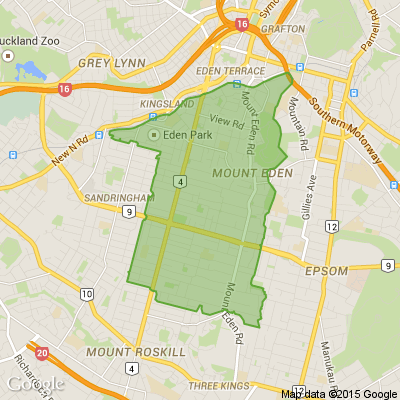
Dry cleaners mt Roskill
Hello our fellow neighbors I was hoping someone would know where the old dry cleaners we had up at the lights on dominion road have moved to?? I was out of town and when I came back they were gone .... I had some items that I would really love to get back but if only I new where they moved to or how to get In Touch with the owners to see what they did with our clothes if they closed down or moved elsewhere? Any updates or news about it would be amazing neighbors. Have a great day
Valentine’s Special | Custom Massage & Energy Healing
A 120-minute bespoke massage and energy-healing session designed to bring awareness and sensation back into the body. Ideal for a grounding, nervous-system reset, and embodied presence.
Valentine’s Special: $200 (120 minutes)
Session includes
- Intuitive, tailored full-body massage
- Integrated energy-healing work
- Premium organic massage oils
- Custom aromatherapy
- 432Hz healing frequency soundscape throughout
Why Valentine’s?
Valentine’s doesn’t have to be outward or performative. This session is a way to reconnect internally, release stored tension, and return to the body with clarity and ease.
About
Experienced professional masseuse and energy healer. Sessions are one-on-one only and adapted precisely to what the body presents on the day.
Available in Helensville, Auckland CBD, or as a mobile service.
Limited Valentine’s availability.
Message to book or enquire.


Poll: As a customer, what do you think about automation?
The Press investigates the growing reliance on your unpaid labour.
Automation (or the “unpaid shift”) is often described as efficient ... but it tends to benefit employers more than consumers.
We want to know: What do you think about automation?
Are you for, or against?
-
9.3% For. Self-service is less frustrating and convenient.
-
43.7% I want to be able to choose.
-
47.1% Against. I want to deal with people.
 Loading…