






The Honest Disciple in New Zealand - Day 4
In a picturesque valley of New Zealand, nestled between the rolling hills of the South Island, there lived a farmer named Hemi. Hemi was a humble man, known throughout his village for his hard work and deep faith in the teachings of the local Māori elders. Each time a renowned elder, Te Rongo, passed by his farm, Hemi would bow respectfully and greet him. He admired Te Rongo’s wisdom, and like any good disciple, Hemi believed in following his guidance without question.
One sunny afternoon, as Te Rongo walked along the edge of Hemi’s farm, he saw the farmer kneeling by his crops. The golden fields of wheat, flax, and vegetables stretched across the land, but one particular crop stood out—Hemi had been growing kumara (sweet potatoes), a staple of the Māori diet.
Te Rongo, noticing that the kumara plants were still small, only just beginning to sprout, stopped to speak with Hemi. “Why do you always bow before me when I pass, Hemi?” Te Rongo asked kindly, his eyes twinkling with wisdom. “Do you truly listen to my guidance, even when it seems difficult?”
Without hesitation, Hemi replied, “Yes, Te Rongo. I will always follow your words, no matter what they are.”
Te Rongo smiled and glanced over the field of young kumara. “Cut them now,” he instructed, pointing at the small plants. “If you wait, they will be ruined when the storms arrive.”
Hemi was taken aback. His kumara had only just begun to grow, and he knew it was too early to harvest. However, he trusted Te Rongo’s wisdom. “I will do as you say,” he answered.
When Hemi returned home, his wife, Aroha, was worried. “The kumara are not ready yet, Hemi,” she said. “If we cut them now, we may not have enough for ourselves in the coming months.”
Hemi reassured her and went to the farm to gather the crop. Yet, before he could do so, the neighboring landowner, Te Awhina, approached him with a stern look. “Hemi, I understand you are going to cut your kumara,” she said. “But you know that I have a share in your harvest this season. If you cut your crop now, I’ll need to ensure you’re following through on our agreement. We made a deal for two full harvests from your farm.”
Te Awhina insisted that Hemi sign a written agreement, guaranteeing her two full yields in exchange for allowing him to proceed. Hemi signed without hesitation, trusting in the wisdom of Te Rongo’s advice.
Days passed, and a great storm rolled in from the sea, battering the region with heavy rains and strong winds. Farmers across the valley, including those who had ignored Te Rongo’s counsel, watched helplessly as their crops were destroyed. But Hemi’s early harvest of kumara fared much better. Because he had listened to Te Rongo’s guidance, his crops were safe, and he found that they were even more abundant than he had expected.
When the storm had passed, Hemi’s fields were full of plump, healthy kumara, much more than he could use alone. True to his nature, Hemi gave two portions of the harvest to Te Awhina, honoring their agreement. The rest, he divided into six portions. Six portions went to those in the community who had lost everything in the storm—widows, elders, and struggling families.
Months later, as Te Rongo walked by Hemi’s farm once more, Hemi ran to meet him, eager to share the news of his good fortune. He had helped the community and was thriving in his own way, all thanks to Te Rongo’s guidance. As Hemi fell to his knees, ready to express his gratitude, Te Rongo spoke before he could.
“You have done well, Hemi,” said Te Rongo, his voice filled with warmth. “You were blessed with a bountiful harvest because I knew that you would share your good fortune with others. Your heart is pure, and you have always been honest in your intentions. You gave six portions to those in need, and only kept two for yourself, showing that you understand the true spirit of giving.”
Hemi stood, deeply moved by the elder’s words. “I only did as you instructed, Te Rongo,” he said. “Your wisdom guided me, and my heart could not bear to keep all of it for myself. The people in this village are like my family.”
Te Rongo placed a hand on Hemi’s shoulder and nodded. “That is the heart of an honest disciple—one who listens not just to words, but to the needs of the world around them. You’ve demonstrated that, Hemi. This is why the land has blessed you.”
And so, Hemi continued his farming with a humble heart, sharing not just the fruits of his labor but also the wisdom of Te Rongo. His actions spread through the valley, reminding everyone that true abundance comes not from hoarding, but from sharing with an open heart.
---
**Moral:** Just as Hemi trusted the wisdom of his mentor, Te Rongo, and followed through with honesty and compassion, so too must we strive to act with integrity and generosity. In doing so, we not only receive blessings but also help uplift those around us. True discipleship is not in mere obedience, but in the heart's honest desire to serve others.

Dry cleaners mt Roskill
Hello our fellow neighbors I was hoping someone would know where the old dry cleaners we had up at the lights on dominion road have moved to?? I was out of town and when I came back they were gone .... I had some items that I would really love to get back but if only I new where they moved to or how to get In Touch with the owners to see what they did with our clothes if they closed down or moved elsewhere? Any updates or news about it would be amazing neighbors. Have a great day

Valentine’s Special | Custom Massage & Energy Healing
A 120-minute bespoke massage and energy-healing session designed to bring awareness and sensation back into the body. Ideal for a grounding, nervous-system reset, and embodied presence.
Valentine’s Special: $200 (120 minutes)
Session includes
- Intuitive, tailored full-body massage
- Integrated energy-healing work
- Premium organic massage oils
- Custom aromatherapy
- 432Hz healing frequency soundscape throughout
Why Valentine’s?
Valentine’s doesn’t have to be outward or performative. This session is a way to reconnect internally, release stored tension, and return to the body with clarity and ease.
About
Experienced professional masseuse and energy healer. Sessions are one-on-one only and adapted precisely to what the body presents on the day.
Available in Helensville, Auckland CBD, or as a mobile service.
Limited Valentine’s availability.
Message to book or enquire.


Poll: As a customer, what do you think about automation?
The Press investigates the growing reliance on your unpaid labour.
Automation (or the “unpaid shift”) is often described as efficient ... but it tends to benefit employers more than consumers.
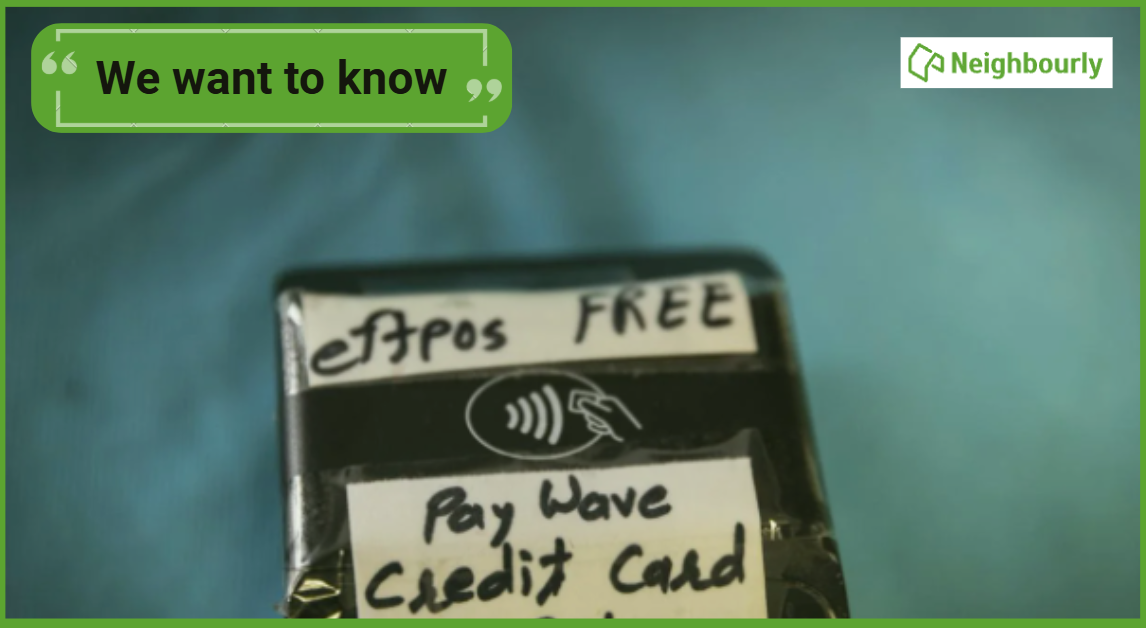
We want to know: What do you think about automation?
Are you for, or against?
-
9.3% For. Self-service is less frustrating and convenient.
-
43.6% I want to be able to choose.
-
47.1% Against. I want to deal with people.
 Loading…