






Covid 19: O'Connell Street Bistro in Auckland CBD to close
A struggling restaurant in central Auckland has become the latest casualty of the fallout from Covid-19.
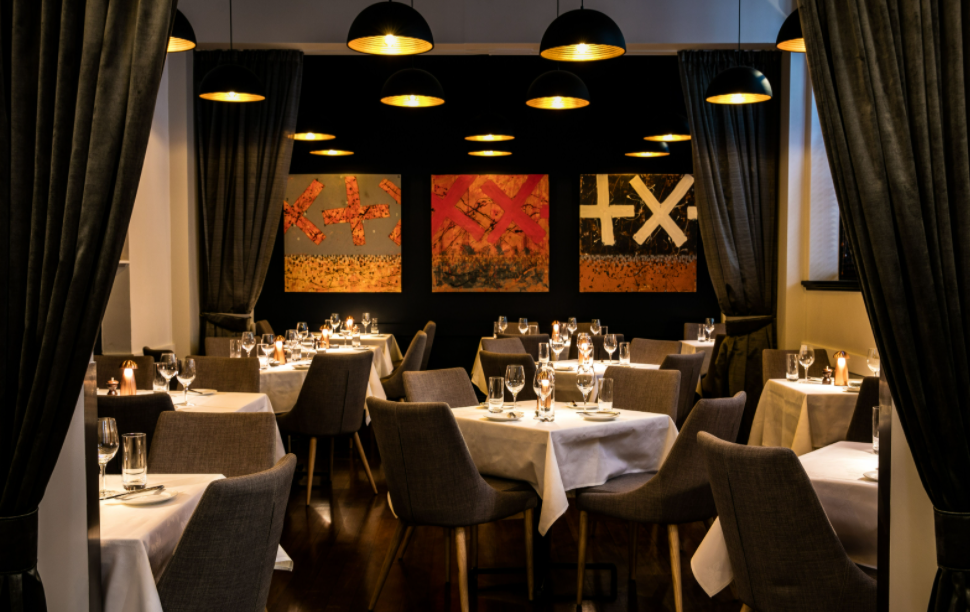
The popular O’Connell Street Bistro is closing its doors on April 16, ending a 24-year history.
Owners Chris Upton and Amanda Mason said the insecurity caused by Covid-19 and their inability to successfully renegotiate their lease are behind the difficult decision to close.
Unlike many in the hospitality industry they have had to continue paying fixed costs during successive Covid-19 levels, the couple said.
“With the continuing lock downs and the challenges of operating at level 2 in the first two months of 2021, and with no clear respite ahead, it is unsustainable to continue,” Upton said.
The renowned bistro, which corners Shortland St and O’Connell St, won one Hat in the Cuisine Good Food Awards in 2019 and the Wine Spectator Award of Excellence for the past 17 years.
The restaurant has weathered many storms including the power crisis in February 1998 when the eatery was forced to shut down just four months after opening.
Next came a restaurant fire on January 26, 2016, which led to a seven-month closure.
Despite this setback, the couple said they kept their team fully employed and focussed on charity work and restaurant pop-ups.
But the restaurant will now close after a final dinner service on April 16.
Upton said the couple was not retiring and might look at another venture in future years.
“While the Bistro has been our life’s work for close to a quarter of a century, we have never thought of it as simply ours.
“It belongs to every one of our fabulous patrons who have supported us and enjoyed our hospitality.
“We have enjoyed one hell of a wonderful ride and our heartfelt thanks go out to all of our guests who have made the Bistro part of their life.”
Upton said the couple had been privileged to work alongside fantastic chefs, managers, sommeliers, waiters and kitchen hands, who had contributed hugely to the bistro’s success.
“We feel great sadness knowing we are at the end of an era, but we also feel joy and satisfaction knowing that together we all created an amazing and special place.”
Renowned NZ chef Al Brown of Auckland eateries Depot and Fed Deli said he was “just gutted” to hear of “the fall of an amazing restaurant.”
“They’re an iconic restaurant, been part of Auckland city for so long, and we’ve never heard a bad word said about them, and I’ve gone there a number of times, and it’s always been an incredible restaurant experience.
“I just feel for them big time. There’s a real sense of community in the restaurant business in Auckland and a lot of people struggling out there including ourselves at depot and feds.
“It’s very sad to hear that they’re closing but there are going to be more casualties.”
BABICHE MARTENS/STUFF
Mark Southon, Chris Upton, Jack Makin in the O'Connell St Bistro when it reopened after a fire in 2016
Hi Aucklanders,
What are your memories of this iconic restaurant?
Feel free to share your bistro experiences here:
*Please put NFP if you do not want your comments used by Stuff.


Poll: Should the government levy industries that contribute to financial hardship?
As reported in the Post, there’s a $30 million funding gap in financial mentoring. This has led to services closing and mentors stepping in unpaid just to keep helping people in need 🪙💰🪙
One proposed solution? Small levies on industries that profit from financial hardship — like banks, casinos, and similar companies.
So we want to hear what you think:
Should the government ask these industries to contribute?

-
60.8% Yes, supporting people is important!
-
23.8% No, individuals should take responsibility
-
15.4% ... It is complicated

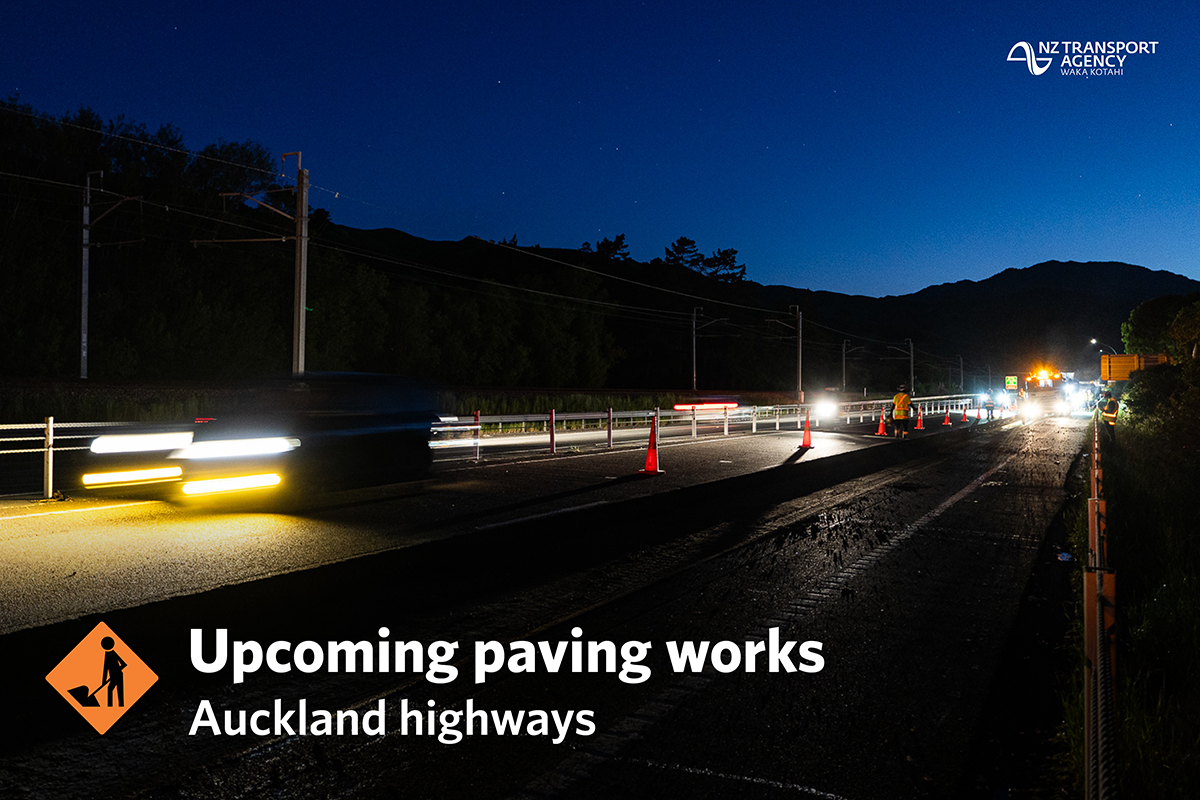
Night-time chipsealing works on SH2
From 9 to 17 February, stop/go traffic management will be in place on SH2 between McPherson Road and Dimmock Road on multiple nights between 9pm and 5am (Sundays to Thursdays).
During the day, all lanes will be open, but speed restrictions will apply to allow the chipseal to set and to protect vehicles travelling over the newly laid surface.
There may be delays to your journey when travelling through the area. This is weather dependent so check NZTA Journey Planner before you travel.

A Neighbourly Riddle! Don’t Overthink It… Or Do?😜
Do you think you know the answer? Simply 'Like' this post if you know the answer and the big reveal will be posted in the comments at 2pm on the day!
If you multiply this number by any other number, the answer will always be the same. What number is this?

 Loading…